


Understanding Your Low-Light Environment
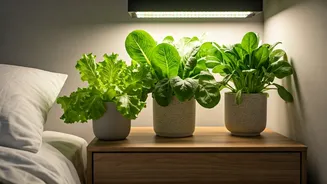
Before you start planting, let’s define “low light” in gardening terms. This isn’t a dark closet; it’s a space that receives about three to four hours of indirect sunlight per day. Think of a spot near a north-facing window or a corner of a room that gets
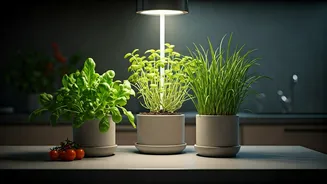
bright, ambient light but no direct sunbeams. The key is consistent, albeit indirect, brightness. To set yourself up for success, choose wide, shallow containers that allow greens to spread their roots without needing deep soil. Use a high-quality potting mix formulated for containers, as it provides better drainage and aeration than garden soil, which is crucial for preventing root rot in less-than-ideal conditions.
Leaf Lettuce: The Easiest Starter Green
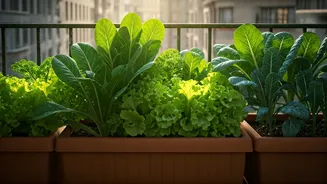
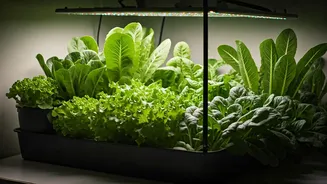
Forget dense heads of iceberg; for low-light growing, loose-leaf lettuces are your best friend. Varieties like ‘Black Seed Simpson’ and ‘Red Sails’ are famously productive in partial shade. They don’t need the intense energy from the sun that’s required to form a tight head. The major advantage is the “cut and come again” harvesting method. You can snip the outer leaves from several plants for a salad, and the center of the plant will continue to produce new growth. This provides a steady, ongoing supply of fresh greens from a very small footprint. Keep the soil consistently moist but not waterlogged.
Arugula: The Peppery Powerhouse
If you love a green with a kick, arugula is an exceptional choice for a shady windowsill. This fast-growing green has a nutty, peppery flavor that intensifies as the leaves mature. In fact, growing it in lower light and cooler temperatures can be an advantage, as it often prevents the plant from “bolting” (flowering prematurely), which can turn the leaves unpleasantly bitter. Harvest the leaves when they are young and tender, around two to three inches long, for the best flavor. Like leaf lettuce, arugula can be harvested repeatedly by trimming the outer leaves.
Spinach: A Nutrient-Dense Classic
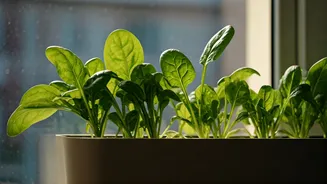
Popeye’s favorite vegetable is surprisingly tolerant of shade. While it won't grow as large or as quickly as it would in full sun, spinach will still produce a respectable harvest in a low-light apartment. Choose a savoy or semi-savoy variety, which tend to be more shade-tolerant. One of the biggest benefits of growing spinach in a cooler, less sunny spot is that, like arugula, it delays bolting. Heat and long days are the primary triggers for spinach to go to seed, so your shadier conditions actually help extend your harvesting window.
Swiss Chard: The Colorful Survivor
Swiss chard is one of the most resilient and visually stunning greens you can grow. While it prefers sun, it is famously tolerant of shade. In a low-light environment, the leaves may be a bit smaller, but they will be just as delicious. Varieties like ‘Bright Lights’ or ‘Fordhook Giant’ will add a pop of color to your flat with their vibrant red, yellow, or white stems. You can harvest the outer leaves continuously, or you can harvest the entire plant at once. Both the leaves and the stems are edible; just cook the thicker stems for a few minutes longer than the leaves.
Microgreens: The Ultimate Indoor Crop
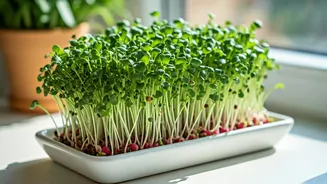
If all else fails, or if you want the quickest possible reward, turn to microgreens. These are simply the young seedlings of vegetables and herbs, harvested just after their first true leaves appear. Because they are harvested so young, they don’t need much light to fuel their growth—they rely primarily on the energy stored in the seed. You can grow micro-versions of radish, kale, broccoli, and mustard in a shallow tray on any bright windowsill. They are ready to harvest in as little as 10 to 14 days and pack a concentrated punch of flavor and nutrients, perfect for sprinkling over salads, soups, and sandwiches.