






New Destinations, No Hassle
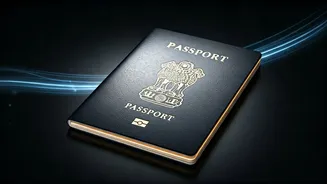
A growing number of popular destinations have recently rolled out the welcome mat for Indian passport holders. Countries like Thailand, Malaysia, and Sri Lanka have all announced visa-free entry for Indian citizens, joined by Kenya and even Iran, which
are looking to boost tourism and strengthen ties. This isn't a random series of friendly gestures; it represents a tangible increase in mobility for the world's most populous nation. According to the Henley Passport Index, which ranks global travel freedom, India's passport now provides visa-free or visa-on-arrival access to 62 countries. While this places India in the middle tier of global rankings, the upward trend and the nations involved tell a story of deliberate engagement.
Diplomacy Through Tourism
What’s driving this trend? For host countries, the calculation is largely economic. Indian tourists are a massive, fast-growing market, and removing the friction of a visa application is a powerful incentive in a competitive post-pandemic landscape. But for India, the benefits are strategic. This expanding travel access is an effective form of soft power, resulting from years of diplomatic spadework and trade negotiations. As India positions itself as a major global player and a leader of the "Global South," having its citizens welcomed around the world is a potent symbol of its growing influence. Each waiver is a quiet diplomatic win.
The Shifting Passport Pecking Order
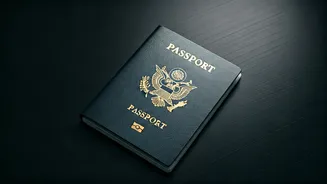
For years, the story of passport power has been one of stability at the top, with nations like Japan, Singapore, and many in Europe dominating the rankings. The U.S. passport remains one of the world's most powerful. However, the most interesting developments are happening further down the list. While Western passport power has largely plateaued, emerging economies are seeing the most significant gains. The United Arab Emirates has famously surged up the rankings, and China is actively negotiating more visa-free pacts. India's recent gains are part of this broader trend, reflecting a strategy to catch up. In the 21st century, global influence is measured not just in GDP, but in the freedom of movement afforded to a nation's people.
Why It Matters Beyond India
For an American holding a top-tier passport, it might be easy to dismiss this as a minor development. But it’s a telling indicator of shifting geopolitical currents. These bilateral visa agreements are often forged independently of Western influence, creating new economic and cultural corridors. The growing network of travel-friendly nations for Indian citizens strengthens regional ties in Asia and Africa, building spheres of influence based on mutual economic interests. This "quiet boost" is a reminder that the architecture of global mobility is changing, reflecting a world where emerging powers are actively and successfully negotiating their place at the table, one visa waiver at a time.