



Trading Sightseeing for Skill-Building
For generations, the Indian family vacation was a predictable affair: a trip to the mountains to escape the summer heat, a pilgrimage to a holy site, or a whirlwind tour of a major city’s historical monuments. The goal was to see things. Today, for a growing
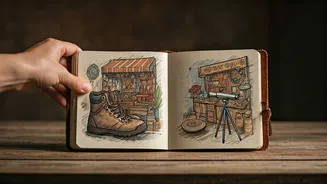
number of urban Indians, especially on shorter 3-to-4-day holidays, the goal is to *do* things. The passive experience of just being somewhere is no longer enough. Instead of simply looking at a tea garden, travelers want to participate in a tea-plucking and tasting workshop. Rather than just eating at a good restaurant, they want to take a regional cooking class on a local farm. This marks a fundamental shift from consumptive travel to participatory travel. The new currency isn't a photo of a monument, but a newfound skill, a unique memory, and an authentic story to tell.
Driven by a New Generation
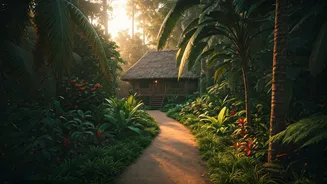
At the heart of this trend are India's millennials and Gen Z. This is a demographic that is more globally connected, digitally native, and economically empowered than any before it. They grew up with access to the internet, are influenced by global trends on social media, and often have more disposable income. For them, travel is an extension of their identity. They seek out experiences that are not only authentic and personal but also 'Instagrammable'—aesthetically pleasing and unique enough to stand out on a social feed. A generic hotel photo doesn't cut it anymore. What works is a shot of you doing yoga at a wellness retreat in the Himalayas, learning pottery from an artisan in Rajasthan, or glamping under the stars in a desert camp. This desire for unique, shareable content is a powerful engine driving the demand for experience-led getaways.
What These New Holidays Look Like
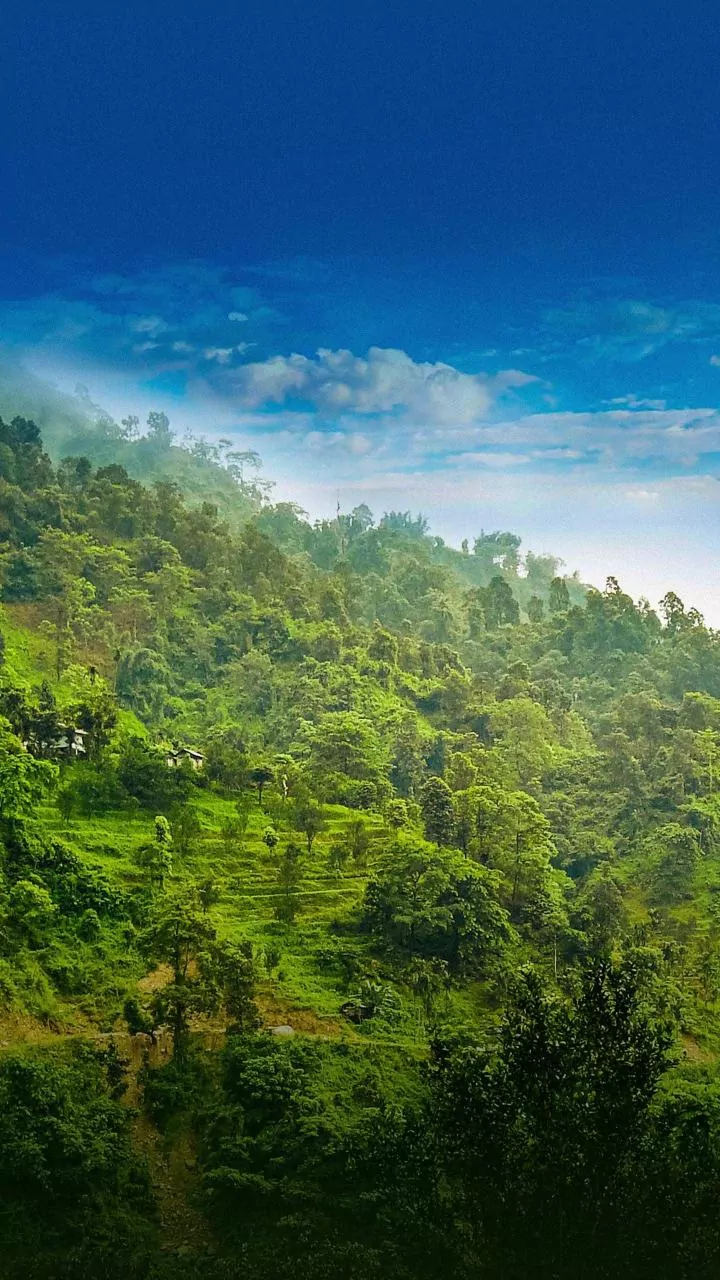
The travel industry in India has been quick to adapt, and the options are exploding. Instead of booking a standard hotel, travelers are opting for boutique farm stays where they can learn about sustainable agriculture. The hills of Coorg in southern India aren't just for sightseeing; they are for coffee plantation tours and bean-to-cup workshops. Coastal destinations like the Andaman Islands are no longer just for beach lounging; they're for scuba diving certification courses. Boutique travel companies are curating weekend trips focused on specific themes: gourmet food trails through a particular state, astrophotography workshops in remote, low-light areas, or even silent meditation retreats. These aren't luxurious in the traditional five-star-hotel sense. Instead, the luxury lies in the exclusivity of the experience, the access to local culture, and the opportunity for personal enrichment.
The Post-Pandemic Accelerator
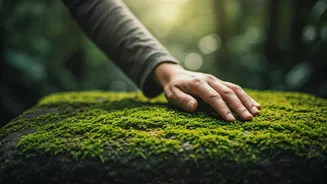
While this trend was budding before 2020, the pandemic supercharged it. Lengthy international travel became impossible, forcing India's burgeoning class of travelers to look inward. They discovered the richness and diversity of their own country, but with a new set of priorities. Health, wellness, and avoiding crowds became paramount. This led to a boom in road trips to drivable destinations and a preference for smaller, private, and nature-based accommodations. People weren't just looking for an escape; they were looking for a meaningful recharge after months of lockdown. The desire to reconnect with nature, learn something new, and have a more profound travel experience became more important than ever, cementing the shift toward domestic, experience-led holidays for the long term.