

More Than Just a Meal
For many Americans, the Indian dining experience is predictable: a lunch buffet featuring chicken tikka masala, saag paneer, and naan, or a formal dinner with an encyclopedic menu. But in India's booming metropolises like Mumbai, Delhi, and Bengaluru,
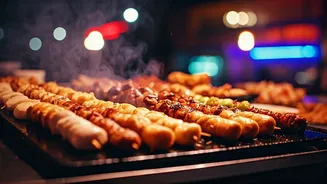
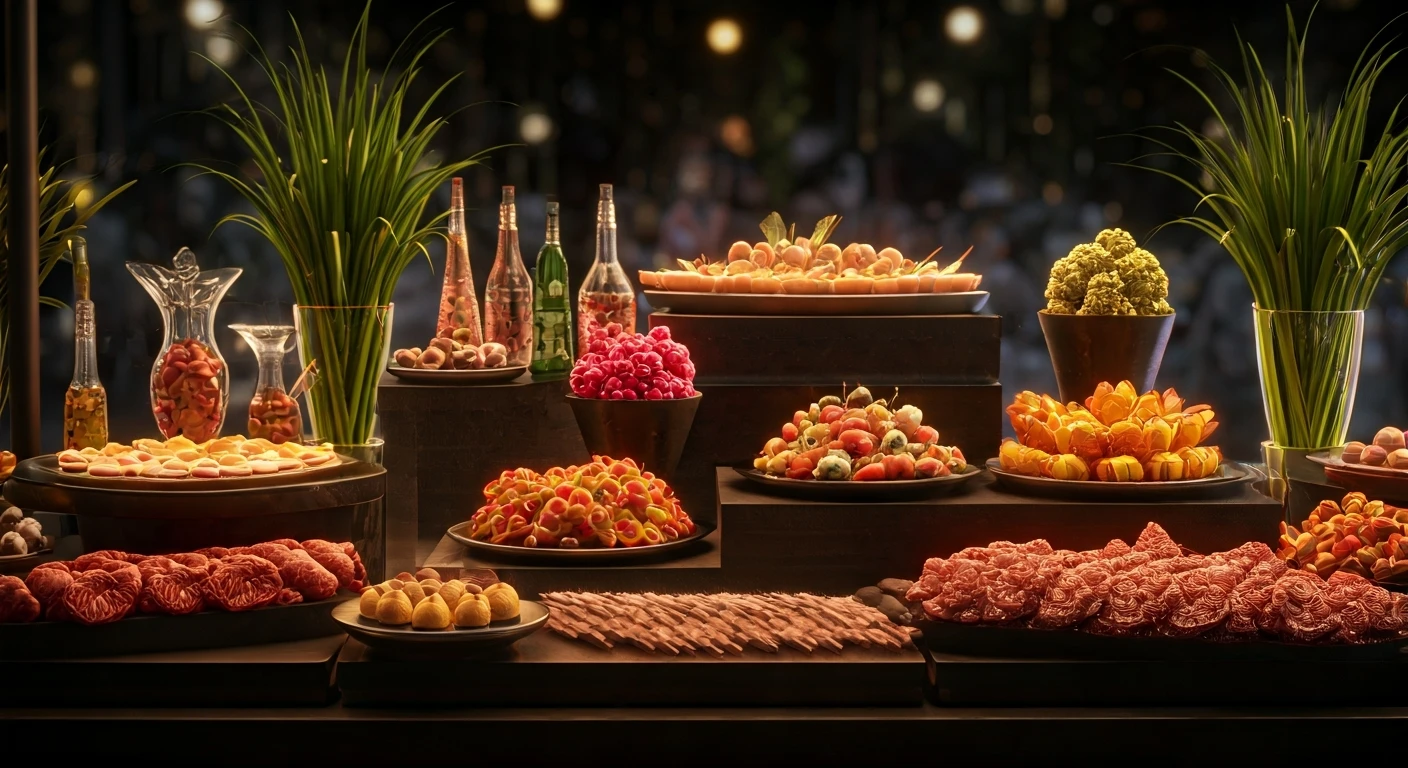
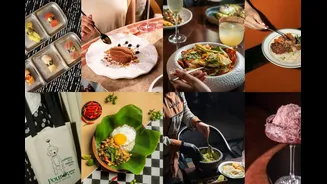
a culinary revolution is underway, and it’s taking place out in the open. Sprawling, weekend-long food festivals like The Grub Fest or Zomaland draw hundreds of thousands of people, not just for a meal, but for an experience. These events are part concert, part-market, and part-laboratory, creating a dynamic environment where the future of food is tested in real time. They function as a crucial middle ground between a home kitchen and a brick-and-mortar restaurant, offering a low-risk, high-reward stage for culinary experimentation.
The Chef's Playground
Imagine being a talented chef with a wild idea—say, a deconstructed samosa served in a cocktail glass or a biryani-stuffed arancini ball. Opening a restaurant to test that concept is a high-stakes gamble that could cost tens of thousands of dollars. A weekend pop-up stall, however, is a different story. Food events give chefs an affordable platform to pressure-test their most creative, and sometimes strangest, ideas on a willing public. They can gauge reactions, tweak recipes, and build a cult following before ever signing a lease. This freedom from financial overhead unleashes a torrent of creativity. Chefs collaborate, combining regional Indian flavors with global techniques—think Japanese-style sandos with spicy Goan sausage or tacos filled with pulled jackfruit curry. It’s a live-action R&D department where customer feedback is instant and brutally honest.
Reinventing the Classics
Innovation here isn't just about inventing something entirely new; it's often about cleverly reinterpreting the beloved and familiar. Stroll through one of these festivals and you’ll see the classics turned on their head. That humble bowl of dal might be transformed into crispy lentil fritters with a yogurt foam. Pani puri, the iconic street-food snack of hollow crisps filled with spiced water, might be served with avocado-and-tamarind-infused water. This isn't fusion for fusion's sake. It's a conversation between generations, a way for young chefs to pay homage to their heritage while speaking the modern language of global food culture. By presenting traditional flavors in new, accessible formats—like sliders, tacos, or bowls—they are making complex regional cuisines understandable and exciting for a new generation of diners.
The Food-preneur Incubator
These events aren’t just for established chefs. They are powerful incubators for the entire food ecosystem. A home baker with a phenomenal brownie recipe can test her market viability. A small-batch producer of artisanal pickles or chili oils can sell directly to consumers and get their product into the hands of influential foodies and chefs. Beverage startups launching new craft sodas or cold-brew coffees find a captive audience. In this sense, the festivals are a physical marketplace that functions like a real-world Kickstarter campaign. A successful weekend can provide the proof of concept—and the cash flow—needed to scale up, launch a delivery service, or attract investors for a permanent location. They are democratizing the food business, lowering the barrier to entry for anyone with a great idea and the grit to execute it.