



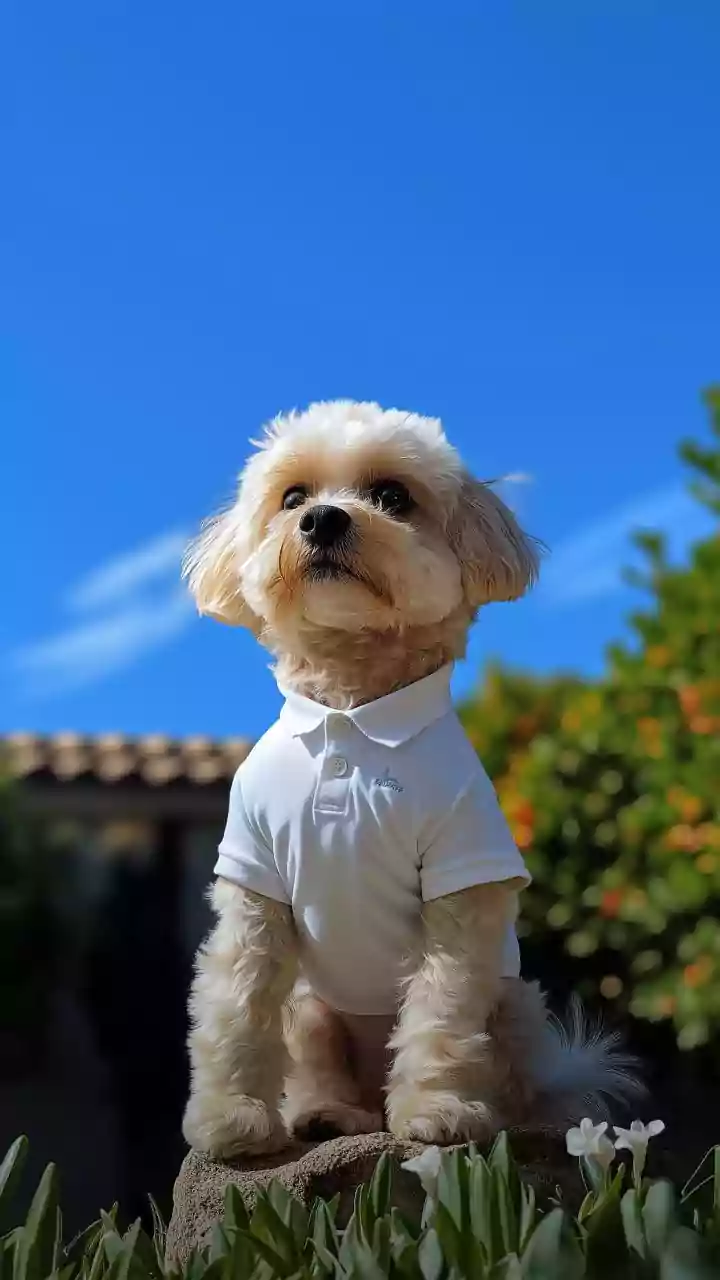



From Guard Dog to Fur Baby
For generations in India, the concept of a pet was largely functional. Dogs were for guarding the home, and cats were for managing pests. Their care was basic—often consisting of leftover food and minimal medical attention. But in the bustling, newly
affluent cities of Mumbai, Bengaluru, and Delhi, a dramatic cultural shift is underway. A confluence of factors—rising disposable incomes, urbanization, and a move towards smaller, nuclear families—is transforming pets from outdoor accessories into cherished indoor family members. Younger, millennial and Gen Z Indians, often living away from extended family in city apartments, are increasingly turning to pets for companionship. They are delaying marriage and children, and a dog or cat often becomes a 'starter child,' a focus for their nurturing instincts and disposable income. This emotional bond is the bedrock of the new pet economy. The term 'pet parent' has replaced 'pet owner,' signaling a fundamental change in the relationship and the responsibilities that come with it.
The Premiumization Boom
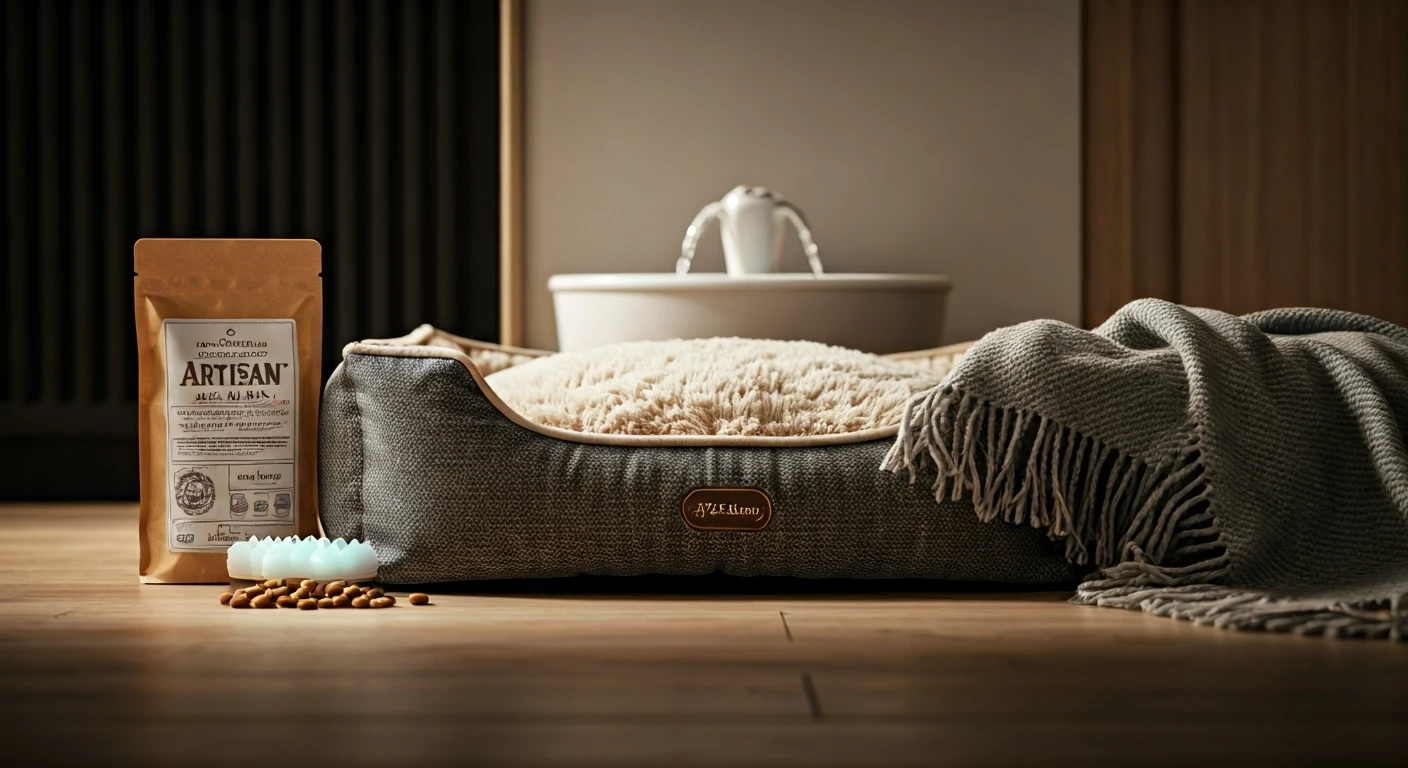
So, what does this 'upgrade' in pet care look like? It means moving far beyond a simple bowl of kibble. The Indian pet care market, projected to grow exponentially in the coming years, is awash with premium products and services that would have been unthinkable a decade ago. Specialized diets are a major driver. Pet food brands are introducing everything from grain-free and organic meals to customized subscription boxes tailored to a pet’s specific breed, age, and health needs. But it doesn't stop at food. The service sector is booming. Urban centers now boast luxury pet grooming salons offering 'paw-dicures' and aromatherapy baths. Doggy daycare centers and upscale boarding hotels—complete with webcams so anxious parents can check in—are becoming commonplace. There's also been a surge in pet insurance, veterinary specialists, and even pet-friendly cafes and bakeries offering 'puppuccinos' and custom-baked dog cakes. This isn't just about buying better things; it's about building an entire lifestyle around the pet's well-being and happiness.
A New Digital Pet Ecosystem
Unsurprisingly for a country with one of the world's most vibrant tech scenes, this pet care revolution is being powered by digital innovation. A wave of direct-to-consumer (D2C) startups has emerged, bypassing traditional retail to deliver everything from fresh-cooked pet meals to curated boxes of toys and treats directly to a customer's door. These brands build a sense of community through savvy social media marketing, often leveraging 'petfluencers'—Indian pets with huge Instagram followings. Mobile apps have also become central to the modern pet parent's toolkit. Platforms now offer on-demand video consultations with veterinarians, book grooming appointments at the tap of a button, and connect pet owners with verified dog walkers and pet-sitters. This tech-fueled ecosystem not only makes premium pet care more accessible but also reinforces the idea that managing a pet’s life requires the same level of digital organization as managing one’s own.
A Window into Global Change
For an American audience, the story of India's pet boom is more than a curiosity. It's a powerful mirror. The same forces that shaped the U.S. pet industry over the last 30 years are now playing out on a compressed timeline in the world's most populous nation. It serves as a compelling indicator of a new global middle class whose consumer values—a focus on wellness, premiumization, and emotional fulfillment—are becoming remarkably universal. This trend isn't just about puppies and kittens; it’s a tangible sign of economic prosperity and social evolution. When people have enough security and income to not just feed a pet but to buy it organic food and health insurance, it signals a major milestone in their country's development. For global brands, from pet food giants to pharmaceutical companies, it represents one of the next great growth markets.