

1. Tweak Your Walking Schedule
The long, leisurely walks of summer are often the first casualty of fall. As daylight wanes and temperatures drop, your pet’s walking routine needs a refresh. Instead of one long evening stroll, consider a brisk walk during your lunch break to maximize
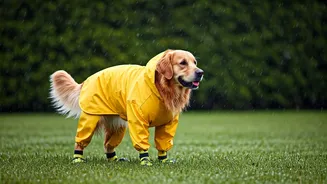
daylight and warmer temperatures. For early morning and evening outings, invest in reflective gear—a leash, collar, or vest—for both you and your pet to ensure visibility to cars and cyclists. Pay attention to your pet’s cues; a dog that shivers at the door may need a sweater or coat to stay comfortable. This isn’t about coddling them; it’s about preventing hypothermia and making essential potty breaks less miserable, ensuring they don't start having accidents indoors.
2. Master the Mudroom Entryway
Damp weather means muddy paws, and without a system, your floors will pay the price. Designate a specific entryway as your pet’s “drying zone.” Stock it with old towels specifically for this purpose. A highly absorbent doormat or a specialized “mud mat” can catch a surprising amount of dirt and water before it’s tracked through the house. For dogs with long fur or feathery paws, a quick rinse may be necessary. Keep a shallow pan of water and a towel by the door for a simple paw wash station. This five-minute routine can save you hours of cleaning and prevents the damp, dirty fur from causing skin irritations or hot spots on your pet.
3. Upgrade Your Indoor Enrichment
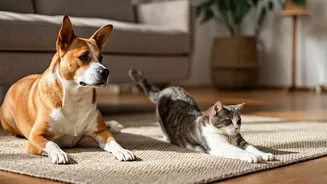
Less time outdoors often means more pent-up energy indoors. A bored pet is a destructive pet. Head off shredded couch cushions and anxiety-fueled barking by boosting their mental stimulation. Rotate their toys to keep them interesting, and introduce puzzle feeders or snuffle mats for meals. These tools force your pet to use their brain and natural foraging instincts to get their food, which is surprisingly tiring. A few 15-minute training sessions throughout the day—practicing old commands or learning new tricks—can also do wonders for their state of mind. For cats, a new climbing tree or a simple cardboard box can provide hours of entertainment.
4. Audit the Grooming Kit
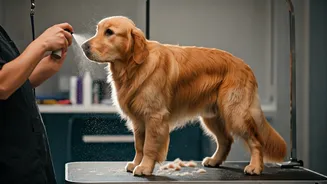
Your pet’s grooming needs change with the season. Damp fur can get matted easily, so more frequent brushing is a must, especially for long-haired breeds. Check their paws after every walk not just for mud, but for irritants like rock salt or de-icing chemicals once winter truly hits. Paw balm can help protect their pads from cracking in the cold, dry air. And don’t stop their flea and tick medication just because it's cold; some parasites can survive indoors or in milder climates year-round. Consult your veterinarian on the appropriate preventative schedule for your region. A well-groomed pet is not just a cleaner pet, but a healthier one.
5. Keep Mealtime Consistent
With decreased activity levels, it's easy for pets to pack on extra pounds during the colder months. While it’s tempting to give them extra treats while you’re both cozied up on the couch, maintaining a consistent feeding schedule and portion size is crucial. If your pet’s exercise has been significantly reduced, talk to your vet about potentially adjusting their caloric intake to prevent unhealthy weight gain. This doesn't mean depriving them; it means matching their energy input to their energy output. Consistent meal times also provide a sense of structure and predictability, which can be very comforting for pets when other parts of their daily routine are in flux due to the weather.