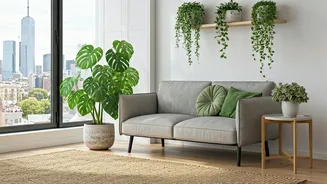




Start with Living Greenery
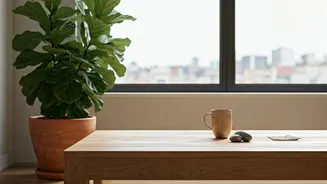
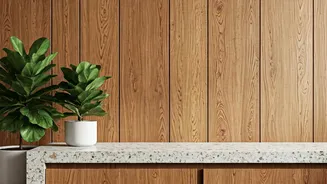
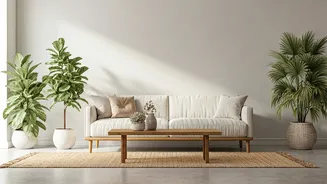
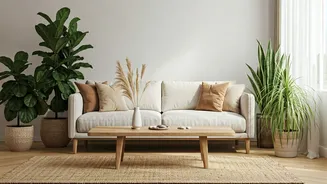
This is the most direct way to invite nature in. Plants don't just add a splash of color; they actively improve air quality and have been shown to reduce stress. For apartment dwellers, the key is choosing the right plant for your space. Have a dim corner?
A snake plant or ZZ plant will thrive with minimal fuss. Blessed with a bright, sunny window? Try a fiddle-leaf fig or a collection of succulents. Don't underestimate the power of hanging plants, like a pothos or string of pearls, which draw the eye upward and add dimension without taking up precious floor space. Even a small collection of fresh herbs on a kitchen windowsill can connect your home to the natural world in a tangible, sensory way.
Embrace Natural Textiles
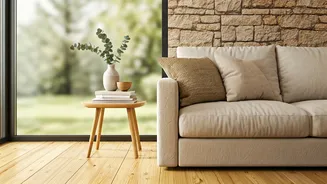
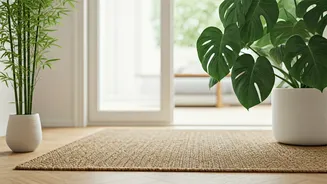
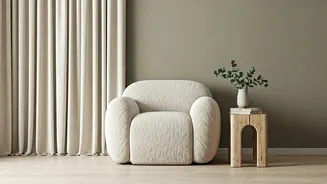
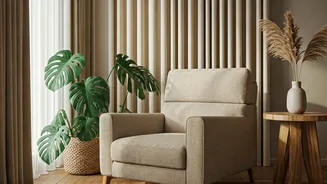
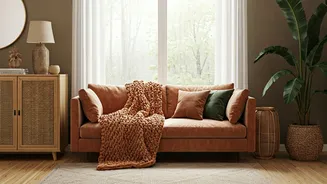
Swapping out synthetic fabrics for natural ones is a game-changer for creating a softer atmosphere. Think about the feel of a crisp linen sheet, a chunky wool throw, or a soft cotton cushion cover. These materials have an inherent texture and imperfection that synthetics lack. They feel better against the skin and look more inviting. Start small: replace polyester throw pillows with covers made from linen or woven cotton. Drape a lightweight wool or cashmere-blend blanket over your sofa. Consider jute or sisal rugs to ground a room with earthy texture. These textiles absorb and reflect light more gently than their shiny, man-made counterparts, contributing to an overall sense of calm.
Incorporate Wood and Wicker
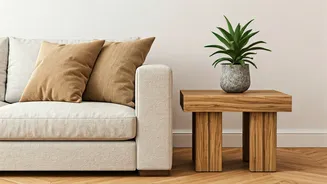
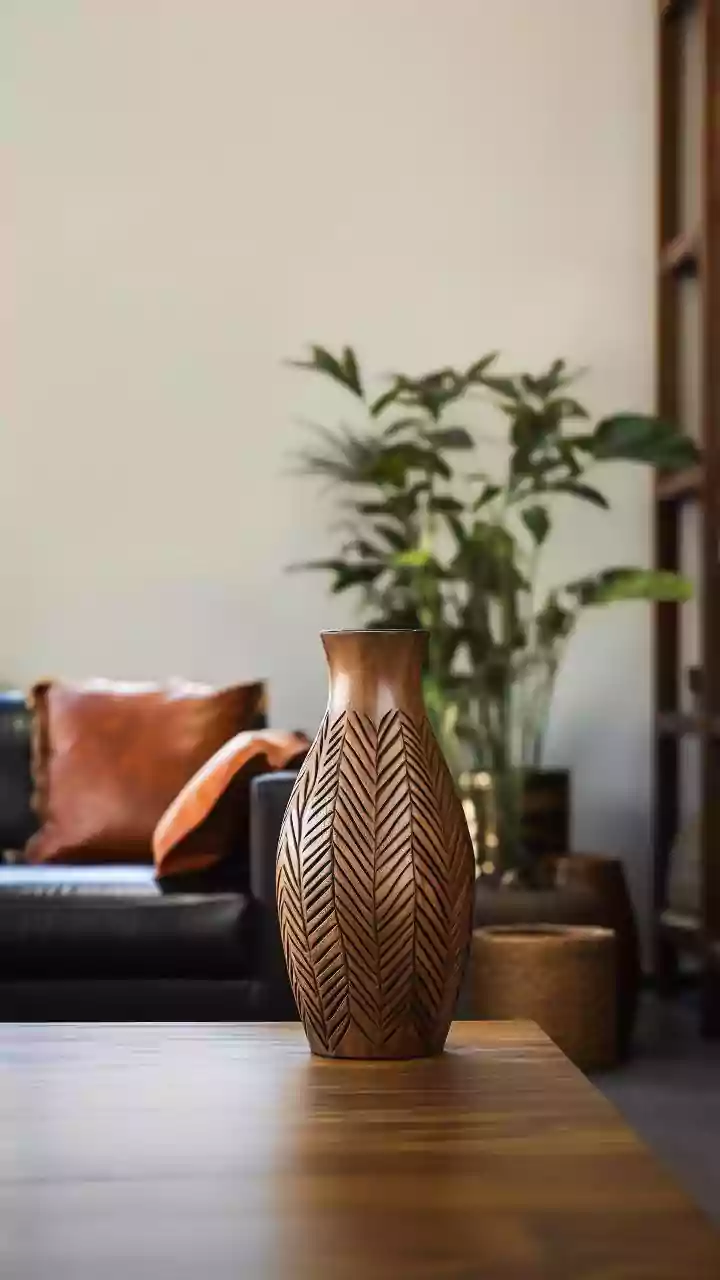
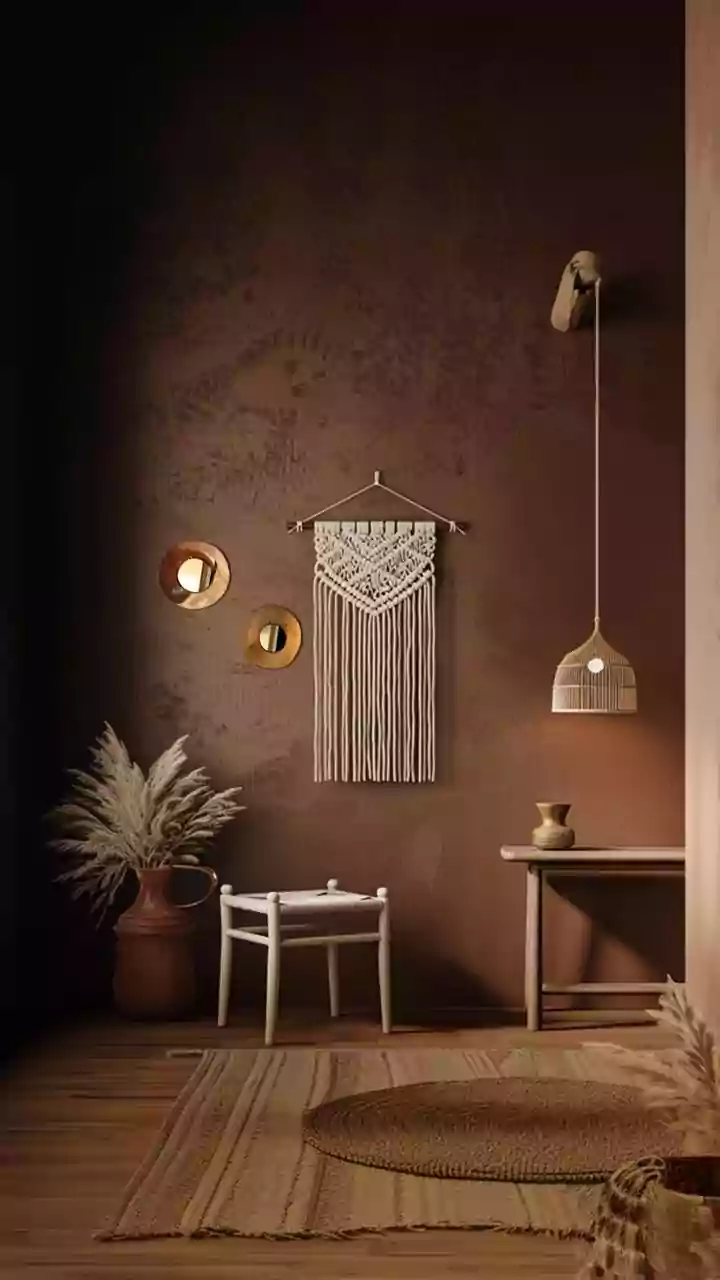
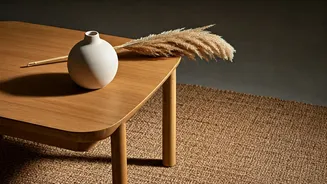
Wood elements bring warmth and structure to a room. You don’t need to invest in a solid oak dining table to get the effect. Look for smaller accents: a wooden picture frame, a set of acacia wood salad bowls on an open shelf, or a simple pine stool used as a side table or plant stand. The grain of the wood tells a story and adds visual interest. Wicker, rattan, and cane are wood’s lighter, more bohemian cousins. A rattan armchair, a wicker basket for storing blankets, or a woven lampshade can introduce a casual, airy feel that breaks up the hard lines of a typical apartment, making the space feel less rigid and more relaxed.
Use Stone, Clay, and Ceramics
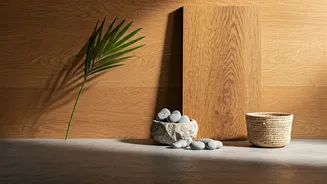
Heavy, grounding materials provide a beautiful contrast to softer textiles and woods. Think of the cool, smooth surface of a marble coaster, the rustic texture of a terracotta pot, or the organic shape of handmade ceramic mugs. These items add a sense of permanence and earthiness. You can incorporate these elements easily and affordably. A small slate tray on a coffee table can corral remotes and candles. A set of stoneware dishes makes every meal feel a bit more special. These pieces are often functional art, beautiful in their utility and connecting you to the very earth they came from.
Maximize Natural Light
Natural elements look their best when bathed in natural light. Your design choices should work to enhance, not block, the light you have. Ditch heavy, dark curtains for sheer linen or light cotton panels that allow light to filter through while still providing privacy. Use mirrors strategically to bounce light around the room, especially placing one opposite a window. Keep windowsills clear to let in every possible ray. When natural decor is illuminated by the sun, its textures, grains, and imperfections are highlighted, creating a dynamic and living environment that shifts with the time of day.
Add Nature-Inspired Scents
A soft mood isn't just about what you see; it's about what you feel and smell. Complete the sensory experience by incorporating natural scents. Avoid overpowering, artificial air fresheners. Instead, opt for an essential oil diffuser with scents like sandalwood, cedar, lavender, or eucalyptus. A simple soy or beeswax candle with a subtle, earthy fragrance can work wonders in the evening. Even a vase of fresh eucalyptus or a bowl of dried lavender on a side table can gently perfume the air, reinforcing the connection to nature and signaling to your brain that this is a place of rest and tranquility.