




The 'Safe' in Safe Bet
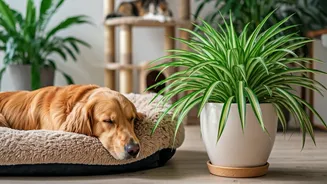
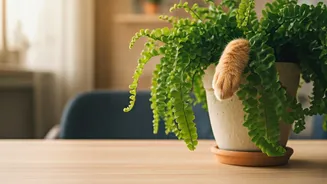
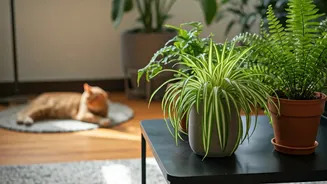
When we call the Bird's Nest Fern (Asplenium nidus) a 'safe' option, it’s not just about its resilience. For millions of American pet owners, the first question before bringing a new plant home is, "Is this toxic?" With this fern, the answer is a sigh
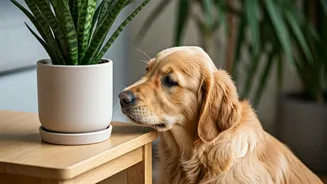
of relief. The American Society for the Prevention of Cruelty to Animals (ASPCA) lists the Bird's Nest Fern as non-toxic to both cats and dogs. This means if your curious cat decides to nibble on a frond, or your playful puppy takes a chomp, you can rest easy knowing it won’t result in an emergency vet visit. This peace of mind is invaluable, instantly elevating it above many other popular but perilous houseplants like lilies or monsteras. But its safety isn't just for pets. It’s also a safe bet for the beginner plant parent—the person who has a history of loving plants to death. Its needs are straightforward and it's surprisingly forgiving of minor missteps, making it a fantastic confidence-builder for anyone aspiring to a greener thumb.
The 'Pretty' Part: A Living Sculpture
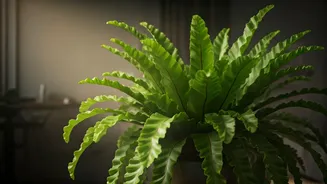
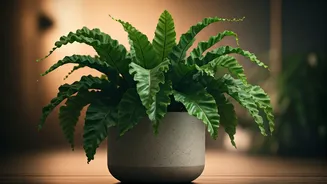
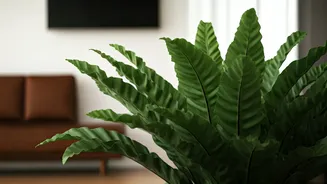
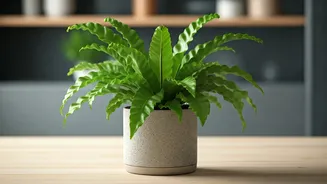
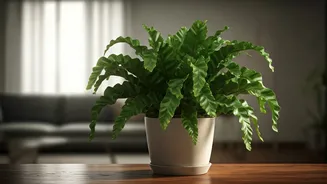
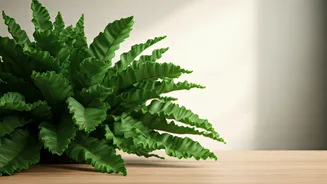
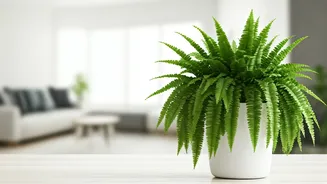
Let's be clear: this fern is more than just practical. It’s a statement piece. Unlike the delicate, lacy fronds of other ferns, the Bird's Nest Fern boasts wide, wavy, or crinkled leaves that unfurl from a central rosette. This tight, nest-like center is what gives the plant its charming name. The fronds are often a vibrant, glossy apple-green, resembling something between a seaweed kelp and a futuristic sculpture. This unique structure allows it to stand alone as a focal point on a coffee table or a bookshelf. It provides a lush, tropical vibe without the visual chaos of more sprawling plants. Whether your home is minimalist modern or cozy bohemian, its clean lines and bright color fit in seamlessly. It offers the visual impact of a much fussier plant, giving you maximum aesthetic reward for minimal effort. It doesn't just occupy space; it enhances it.
Care Guide for the Cautious Owner
The secret to keeping your Bird's Nest Fern happy is mimicking its natural habitat—the shady, humid understory of a tropical forest—without overcomplicating things.
Light: Think 'bright but indirect.' It thrives in the kind of light you’d find in a north or east-facing window. Direct, scorching afternoon sun is its enemy and will cause the leaves to yellow and burn. If you can read a book comfortably in the room without turning on a lamp, the light is probably perfect.
Water: Consistency over quantity is key. The soil should be kept evenly moist but never soggy. A good rule of thumb is to water thoroughly when the top inch of soil feels dry to the touch. Avoid pouring water directly into the central 'nest,' as this can trap moisture and lead to rot. Instead, water the soil around the base of the plant.
Humidity: This is where many plant owners stumble, but the Bird's Nest Fern is more adaptable than you think. While it loves high humidity (think steamy bathroom), it can tolerate average household levels. To give it a boost, you can place it on a pebble tray with water, group it with other plants, or use a small humidifier nearby. Misting the leaves once or twice a week is also a welcome treat.
Common Mistakes to Sidestep
Even the safest bets have their vulnerabilities. The number one mistake owners make is overwatering. Soggy soil suffocates the roots and is the fastest way to kill this otherwise hardy plant. Always check the soil before adding more water. The second pitfall is improper light. While it’s low-light tolerant, it’s not a no-light plant. A dark, windowless corner will lead to stunted growth and pale leaves. Conversely, placing it in a sun-drenched southern window will scorch its beautiful fronds. Finally, watch out for drafts. These ferns dislike sudden temperature changes from air conditioning vents or drafty windows, which can stress the plant and lead to brown, crispy leaf edges. By avoiding these simple errors, you're almost guaranteed success.