








Southeast Asia Rolls Out the Red Carpet
The most significant change for Indian travelers has come from Southeast Asia, a region long popular for its proximity and cultural appeal. In late 2023, tourism powerhouses Thailand and Malaysia announced temporary visa-exemption programs for Indian citizens,
allowing for stays of up to 30 days without any prior paperwork. Sri Lanka quickly joined them, offering free visas on arrival. This coordinated move wasn't a coincidence. These nations, heavily reliant on tourism, are in a fierce competition to capture a slice of the world's fastest-growing outbound travel market. By removing the visa barrier—a psychological and financial hurdle—they aim to make the decision to book a flight as frictionless as possible, luring travelers who might otherwise have opted for a domestic trip.
The Surprising 'Open Door' in the Middle East
In a move that surprised many international observers, Iran announced in early 2024 that it was abolishing visa requirements for nationals of 33 countries, including India. This policy allows Indian passport holders to enter the country every six months for a 15-day stay without a visa. While not a traditional tourist destination for many, the decision is a clear strategic play by Iran to bolster its tourism sector and strengthen diplomatic and economic ties with non-Western nations. For adventurous Indian travelers interested in ancient history, Persian culture, and unique landscapes, this removes a significant logistical barrier to exploring one of the world's oldest civilizations.
African Adventures Get an Upgrade
The trend extends beyond Asia. Kenya, a bucket-list destination for wildlife safaris, recently made a bold policy change by declaring the country visa-free for all global visitors, starting in January 2024. While the universal nature of the policy means it wasn't exclusively aimed at India, Indian travelers are among the biggest beneficiaries. The old, often cumbersome process of obtaining an e-visa has been replaced by a simple online Electronic Travel Authorization (ETA) system. This move positions Kenya as one of the most accessible major tourist destinations in Africa and acknowledges the growing importance of emerging travel markets like India's.
Why Now? The Power of a Billion-Person Market
The simple reason behind this sudden generosity is economics. India is a demographic and economic giant. With a population of 1.4 billion and a rapidly expanding middle class, the potential for outbound tourism is staggering. Indian travelers are projected to spend over $42 billion on outbound travel annually by 2024. Countries that make it easy for them to visit are the ones that will see their hotels, restaurants, and shops filled. Furthermore, Indian tourists have a reputation for being high-value visitors—often traveling in family groups, spending significantly on shopping, and exploring a wide range of culinary and cultural experiences. For nations recovering from the pandemic-induced tourism slump, attracting this market isn't just a bonus; it's a core strategy for economic recovery and growth.
More Than Just a Stamp: The Passport's Rising Clout
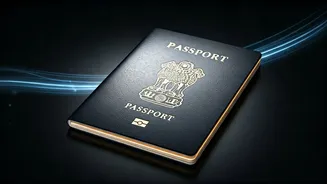
This wave of visa waivers also tells a story about India's growing diplomatic influence. A passport's power, often measured by indices like the Henley Passport Index, is a direct reflection of a country's global standing, economic stability, and diplomatic relationships. For years, the Indian passport has slowly climbed these rankings. While still far behind top-tier passports from Japan, Singapore, or Germany, its progress is tangible. Every country that grants visa-free access is making a bet on the strength and reliability of the issuing nation. This trend suggests that more countries are viewing India not just as a source of tourists, but as a key strategic partner whose citizens are welcome guests.