






From Chef to Chemist
The perfectly lit, artfully messy kitchen counter has been replaced by the fluorescent glare of the supermarket. The new stars of food content aren't necessarily chefs; they're amateur investigators. Armed with a smartphone camera and a healthy dose of skepticism,
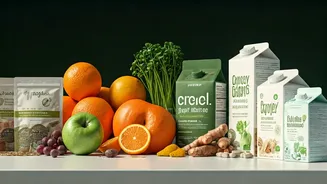
these creators perform what can only be described as DIY ingredient checks. The format is simple yet compelling: they pick up a popular, often beloved, packaged food—be it bread, salad dressing, or a child’s snack—and slowly read the ingredient list aloud. The video usually culminates in a dramatic zoom-in on an unpronounceable chemical, a high sugar content, or a long list of preservatives, followed by the presentation of a “cleaner” alternative with a much shorter, more recognizable list of ingredients. This isn't about culinary technique; it's about consumer advocacy, performed one short-form video at a time.
An Appetite for Transparency
So, why is this content exploding? It taps directly into a growing trust deficit between consumers and big food corporations. For decades, shoppers have been navigating a maze of health halos and confusing marketing claims—'all-natural,' 'low-fat,' 'made with real fruit'—that often feel misleading. The DIY ingredient check cuts through the noise. It skips the front-of-package promises and goes straight to the fine print on the back, a place many shoppers feel they don't have the time or expertise to decode themselves. These creators act as proxies, doing the 'homework' for their followers. The movement is fueled by a desire not just for healthier food, but for empowerment. In an era of information overload and corporate spin, the simple act of understanding what’s in your peanut butter feels like a small but significant victory.
The 'Good vs. Evil' Narrative
The most successful videos in this genre rely on a powerful and easily digestible narrative: good versus evil. On one side, you have the villain: the ultra-processed product packed with seed oils, artificial colors, and words that sound like they belong in a science textbook. On the other side, the hero: a simple, 'whole food' alternative. This binary framing is perfectly suited for the rapid-fire consumption of social media. There’s no room for nuance—no discussion of food science, the role of preservatives in food safety and affordability, or the fact that the dose makes the poison. A chemical is either 'clean' or 'toxic.' This approach makes the information feel actionable and urgent, compelling viewers to 'ditch and switch' products on their next shopping trip. It turns the mundane act of grocery shopping into a moral quest for purity.
Wellness or Misinformation?
While empowering, this trend walks a fine line. The vast majority of these self-proclaimed food detectives are not dietitians, nutritionists, or food scientists. Their conclusions are often based on a surface-level fear of 'chemicals'—a category that, scientifically speaking, includes everything, including water. This can lead to the spread of misinformation and chemophobia, where safe and well-regulated ingredients are demonized without context. Critics point out that this black-and-white approach can also fuel anxiety around food and promote restrictive eating patterns that border on disordered. The focus on 'purity' can be a slippery slope, creating a culture where food is judged not for its enjoyment or nutritional balance, but by its perceived moral cleanliness. The quest for transparency is valid, but the credentials of the guide matter.