





It Starts with the Sky
The first domino to fall is often your mood. A gray, rainy day means less sunlight, and for many people, that’s more than just an aesthetic bummer. Sunlight plays a crucial role in the production of serotonin, one of the brain’s primary “feel-good” neurotransmitters.
When sunlight is scarce, serotonin levels can dip, leaving you feeling sluggish, a little down, or just plain “blah.” This phenomenon is the milder, everyday cousin of Seasonal Affective Disorder (SAD). Your brain, sensing this dip, isn't just going to sit around and mope. It knows a few shortcuts to feeling better, and many of them are on your pantry shelves. This isn't a failure of willpower; it's a biological response to an environmental cue. The entire landscape outside is telling your body to conserve energy and seek comfort, and your brain is listening.
Your Brain on Comfort Food
So, your brain wants a quick hit of happiness. Where does it turn? To the most reliable chemical delivery systems it knows: carbohydrates and fats. Consuming carbs, especially simple ones found in snack foods, can trigger the release of insulin. Insulin helps clear most amino acids from your bloodstream, but it leaves one behind: tryptophan. With less competition, tryptophan can more easily enter the brain, where it becomes the raw material for producing—you guessed it—serotonin. It’s a brilliant, if temporary, biochemical hack for a mood boost. The fat and salt in these foods are just as important. Our brains are hardwired from our evolutionary past to crave calorie-dense, high-fat foods because they signal survival. Salt is an essential mineral. When you combine carbs, fat, and salt, you’re essentially giving your brain a trifecta of signals that everything is going to be okay. That bag of chips or basket of fries is a deeply effective, if short-lived, form of self-medication.
The Symphony of Crunch and Oil
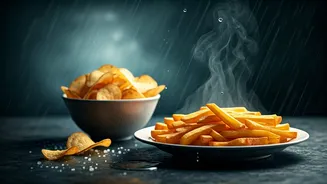
Now let’s get specific. Why the intense desire for something crunchy? The answer is both psychological and auditory. The sound of a crunch is something researchers call “the music of mastication.” In our primal brain, a loud crunch signals that a food is fresh (think of a crisp apple versus a mealy one). It’s an indicator of quality. That sharp, cracking sound is also inherently satisfying and can even be a mini stress-reliever, providing a sensory focal point that blocks out other anxieties. The “oily” part of the craving speaks to mouthfeel and calorie density. Fat coats the tongue, carrying flavor and creating a rich, luxurious sensation that feels indulgent and comforting. Foods that are both crunchy and oily—like potato chips, french fries, or fried chicken—offer a complex sensory experience that is intensely rewarding. They hit multiple pleasure points at once, making them almost irresistible when you’re already feeling low.
A Recipe of Memory and Emotion
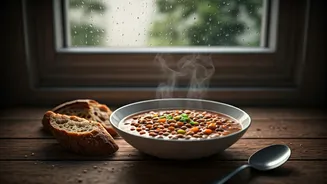
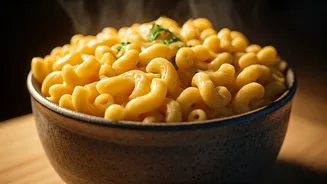
This is where the “complicated” part truly comes in. Our food cravings are rarely just about brain chemistry or sensory input. They are deeply entangled with our personal histories. Think about what we call these foods: “comfort foods.” For many, the foods we crave on a gloomy day are the same ones associated with warmth, safety, and care from our childhoods. Maybe it was the grilled cheese and tomato soup your mom made on sick days. Perhaps it was the shared bowl of popcorn during a family movie night when a storm raged outside. These foods aren't just collections of molecules; they are edible nostalgia. When the rain comes down and the world feels a little gray, your subconscious might be reaching not just for serotonin, but for a feeling of security. That craving for a specific, oily, crunchy snack is your mind’s attempt to recreate a moment when you felt safe and cared for, making it one of the most personal and powerful cravings you can have.