




Not Your Grandmother’s Tea Party
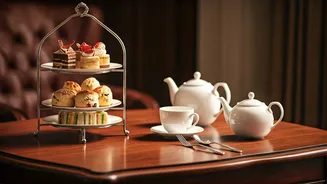
Once the domain of society ladies in period dramas, the tiered tray of finger sandwiches, scones, and tiny cakes is suddenly all over Instagram and TikTok. But this isn't a carbon copy of the Victorian ritual. Today’s high tea (or more accurately, afternoon
tea, as purists will note) is a full-blown aesthetic experience. It’s an excuse to dress up in flowing dresses or pastel suits, to find the perfect lighting for a photo of a porcelain teacup, and to spend an afternoon luxuriating in a way that feels both classic and completely current. Hotels from The Plaza in New York to The Langham in Chicago are reporting a surge in interest, particularly among younger patrons who see it not as a formal obligation but as a destination event. The modern take often includes inventive menus, from CBD-infused teas to savory bites that go far beyond cucumber and cream cheese. The core elements remain—tea, tiers, and leisure—but the energy is decidedly different. It's less about propriety and more about performance, pleasure, and creating a picture-perfect moment of calm.
The Gospel of the 'Soft Life'
To understand the high tea revival, you first have to understand the 'soft life.' Popularized on social media by Black women, the term describes a lifestyle that prioritizes peace, comfort, and well-being over the relentless grind of 'hustle culture.' It’s a conscious rejection of the idea that your worth is tied to your productivity and a deliberate embrace of ease. A soft life means minimizing stress, setting boundaries, and intentionally seeking out experiences that bring you joy and contentment, whether that’s a quiet morning routine or an indulgent afternoon. It’s not about being lazy; it’s about being strategic with your energy and investing it in yourself. In a world of burnout, economic anxiety, and doomscrolling, the soft life offers a powerful counter-narrative: the belief that you are deserving of rest and pleasure, right now, without having to earn it through struggle.
An Antidote to Modern Burnout
High tea is the perfect physical manifestation of the soft life ethos. For a few hours, you are required to do nothing but sit, sip, and savor. It's a structured ritual that forces you to slow down. You can’t rush through three tiers of food. You can’t scroll through your phone when your hands are busy with a scone and clotted cream. It’s an inherently analog experience in a punishingly digital world. Furthermore, it represents an accessible form of luxury. While a Michelin-starred dinner or a weekend at a spa can be prohibitively expensive, a beautiful afternoon tea service often provides a similar feeling of being pampered for a fraction of the cost. It’s a mini-vacation in the middle of a weekday afternoon, a tangible way to opt out of the chaos and step into a world of curated elegance and calm. It’s a permission slip to be unproductive, to focus on sensory pleasure, and to simply exist without a goal.
The Bridgerton Effect
You can't discount the power of pop culture. The massive success of shows like *Bridgerton* and *The Crown* has saturated our screens with images of opulent, romanticized historical life. This has fueled a broader aesthetic movement—think 'cottagecore,' 'royalcore,' and 'dark academia'—where people find comfort and inspiration in the styles of the past. Afternoon tea fits perfectly into this fantasy. It allows you to step into that world and live out your 'main character energy' for an afternoon. It’s an activity practically designed for storytelling, both personal and on social media. The ritual provides a built-in narrative arc: the arrival, the presentation of the tower, the debate over cream or jam first on the scone. It’s a low-stakes, high-reward social activity that feels more special and intentional than just grabbing brunch or coffee. It’s a chance to cosplay as someone with a life of leisure, even if it’s just for ninety minutes.