


Embracing the “Off-Season”
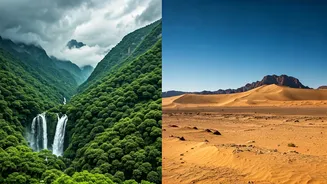
For most American travelers, planning a trip to South or Southeast Asia often involves carefully avoiding the monsoon season. We’re taught to seek out dry, sunny days for optimal sightseeing. But what if the rain wasn't an obstacle, but the main attraction?
This is the central idea behind the monsoon homestay, a growing travel concept particularly popular in Indian states like Kerala, Goa, and across the Western Ghats. Unlike a sterile hotel, a homestay invites you into a local family’s residence, offering a deeply personal window into their culture. During the monsoon, this experience is amplified. The season, which typically runs from June to September, transforms these regions into a lush, dramatic, and intensely atmospheric paradise. It’s a slower, more contemplative form of travel, focused not on seeing everything, but on feeling it.
A Symphony of Sights and Sounds
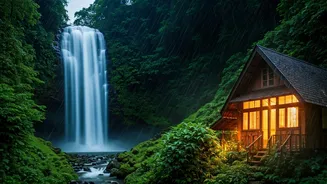
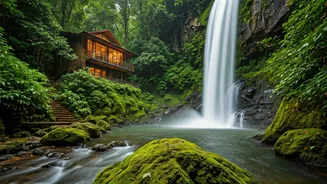
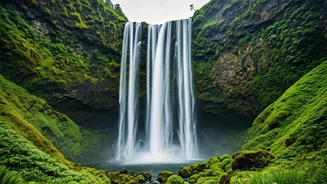
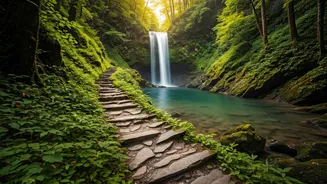
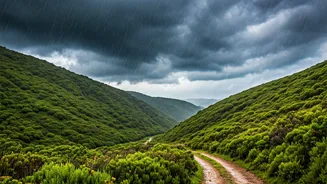
The primary draw of a monsoon journey is nature in its most theatrical state. The parched pre-summer earth gives way to an explosion of life. Hills and forests are blanketed in a hundred shades of impossible green. Dormant waterfalls roar back to life, and once-modest streams swell into rushing rivers. The air itself feels different—clean, heavy with moisture, and filled with the petrichor, the specific, earthy scent of rain on dry soil. A typical day at a monsoon homestay might involve waking to the sound of a downpour on a tin roof, a strangely comforting and meditative soundtrack. Instead of fighting the weather, you lean into it. Activities are tailored to the season: a guided trek through misty hillsides where you can watch clouds roll through the valleys below, a quiet afternoon spent on a covered veranda with a book and a cup of chai, or a visit to a local spice plantation where the aromas of cardamom, pepper, and cinnamon are heightened by the humidity.
The Farm-to-Table Feast
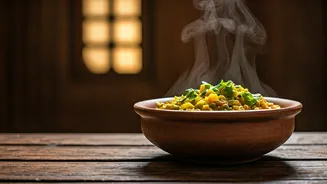
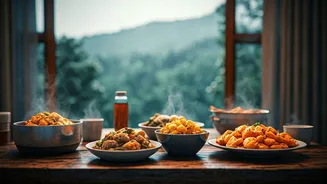
The second pillar of the monsoon homestay experience is the food. This isn’t just about eating well; it’s about eating in sync with the season. In agricultural communities, the monsoon dictates the entire culinary calendar. The intense rains bring forth a unique bounty of vegetables, wild greens, and mushrooms that are unavailable at any other time of year. At a homestay, you are eating what the family eats, prepared from ingredients that are often grown in their own backyard or sourced from the village market that morning. This is farm-to-table in its most authentic form. The cuisine often shifts to comforting, warming dishes meant to counteract the damp chill. Think rich stews, savory lentil soups, and an array of fried snacks and fritters, perfectly paired with the rainy weather. Many hosts offer impromptu cooking lessons, inviting guests into the kitchen to learn the secrets behind family recipes passed down through generations. You might learn how to perfectly temper spices for a fish curry or forage for edible ferns that will appear in that night's dinner.
A Deeper Connection
More than just a vacation, a monsoon homestay offers a chance to reset your internal clock. In a world that prizes speed and efficiency, this is an enforced slowdown. The rain may limit long-distance travel, but it encourages you to explore your immediate surroundings more deeply and to connect with your hosts on a more meaningful level. You share stories over meals, learn about local traditions, and witness a way of life that is intimately tied to the land and its seasons. It strips travel down to its essentials: shelter, food, and human connection. It replaces a checklist of tourist sites with a collection of sensory memories—the taste of a perfectly spiced dish, the sound of rain, the feel of the cool, moist air, and the warmth of genuine hospitality. It’s an antidote to the pressures of modern tourism, offering a restorative escape that nourishes both body and soul.