

Welcome to the 'Middle Land'
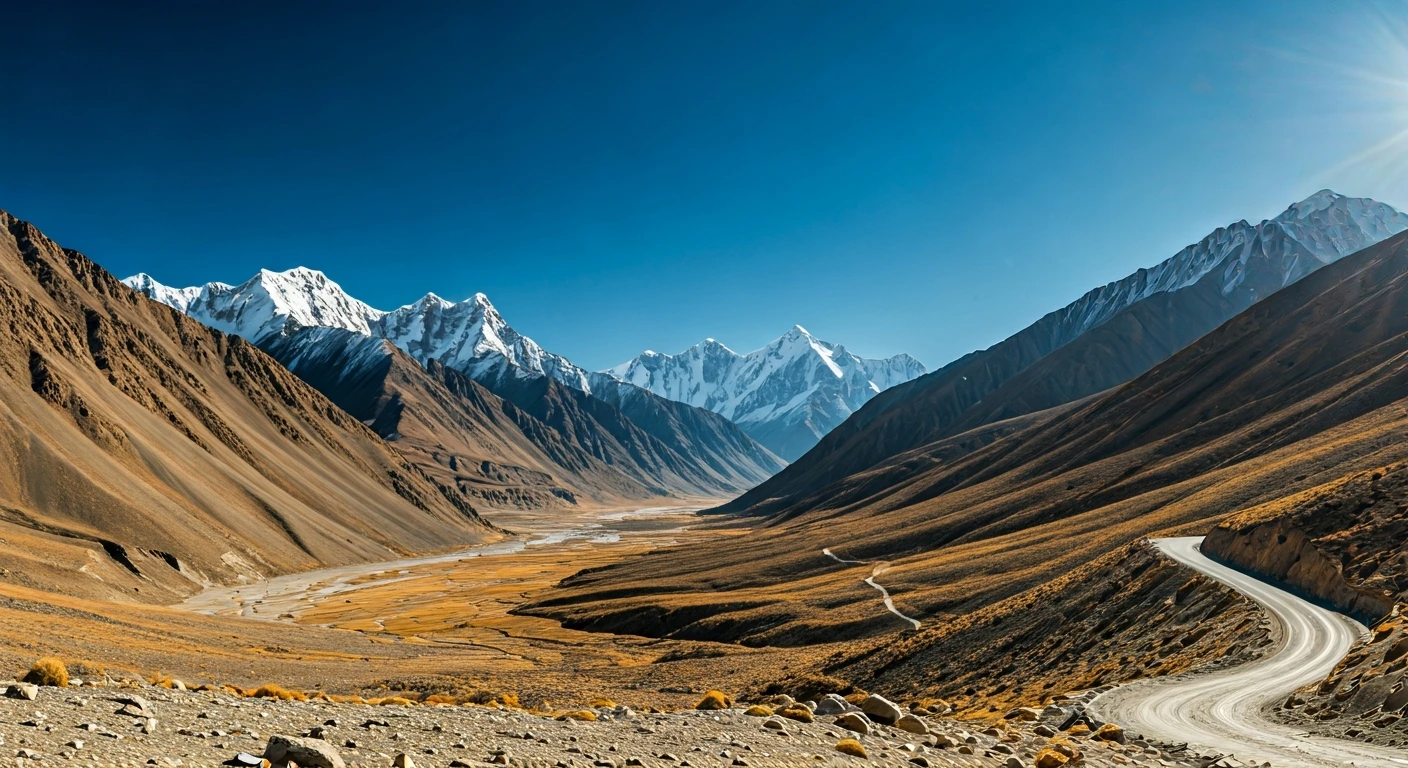
First, a quick geography lesson for the uninitiated. Tucked away in the northern Indian state of Himachal Pradesh, Spiti Valley is a cold desert mountain valley high in the Himalayas. Its name translates to 'The Middle Land,' as it sits between Tibet
and India. For years, it was largely cut off from the outside world, and even today, it remains one of the least populated regions in India. It's this profound isolation that forms the bedrock of its appeal. Getting here isn’t a simple flight; it’s an expedition. The journey itself—a multi-day, high-altitude drive—is the main event.
Roads That Redefine 'Paved'
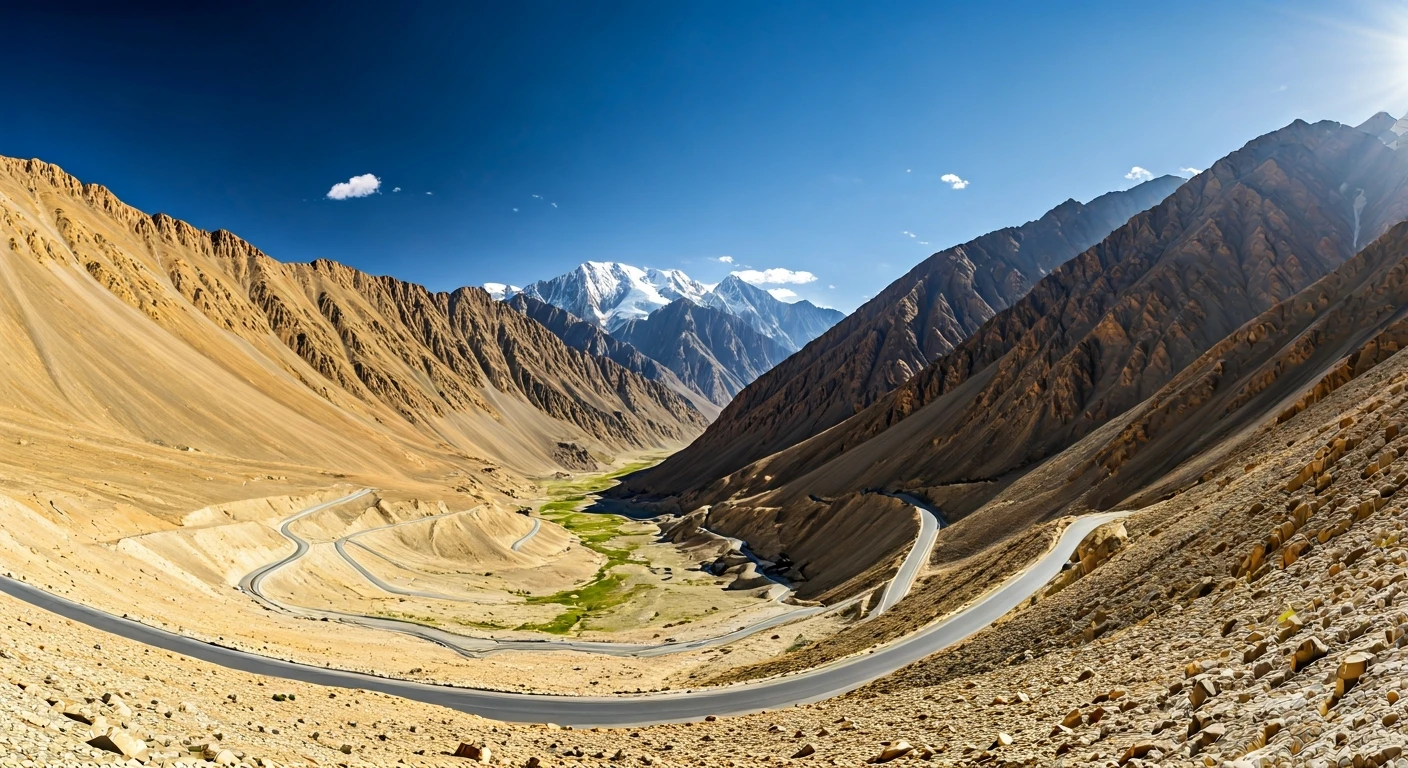
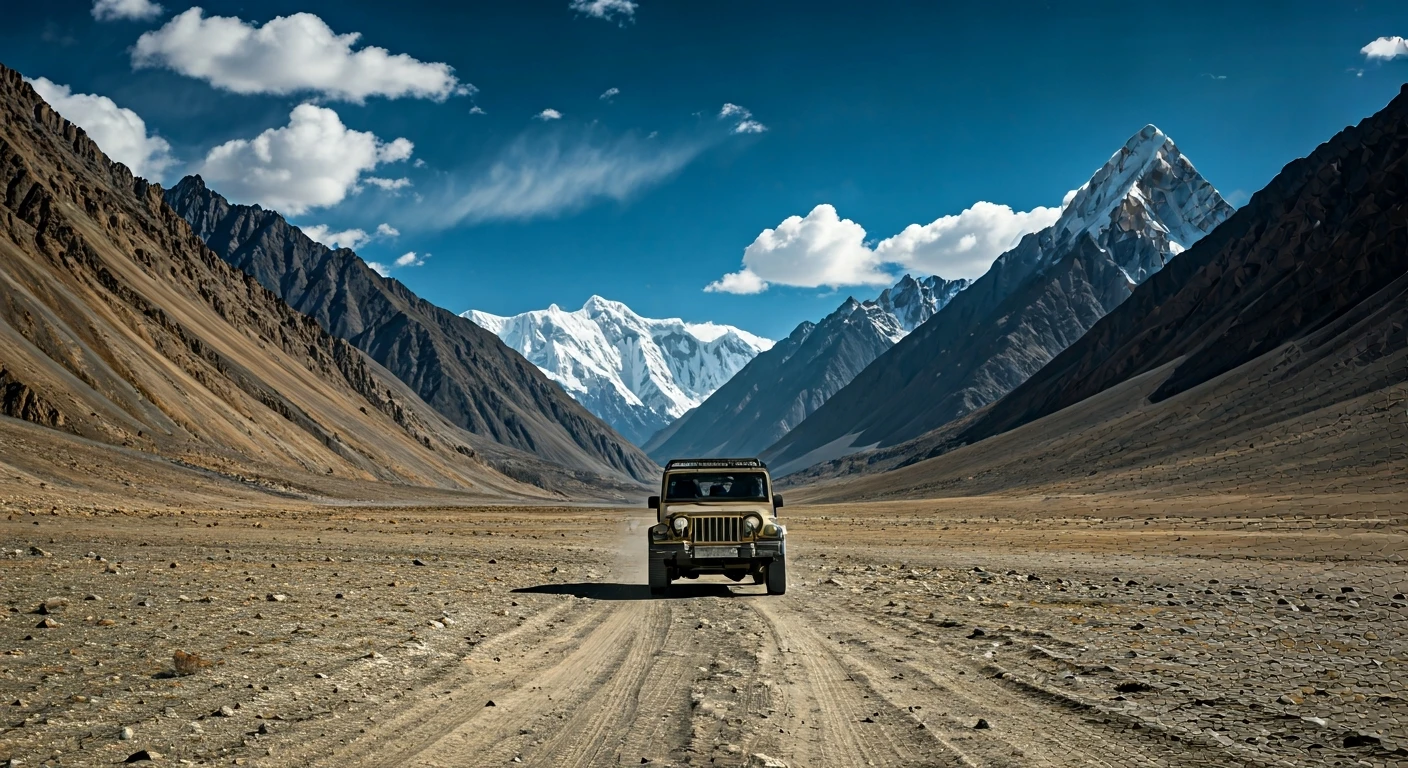
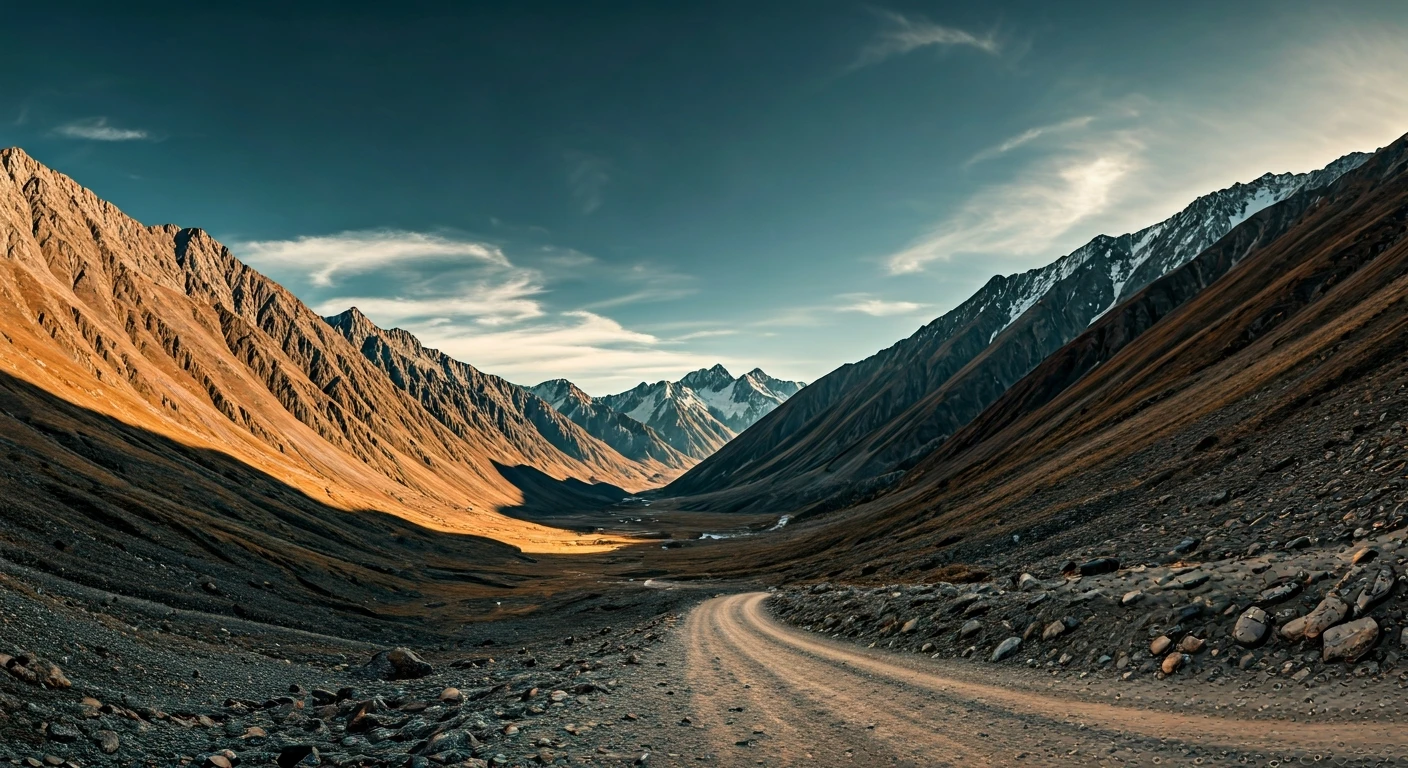
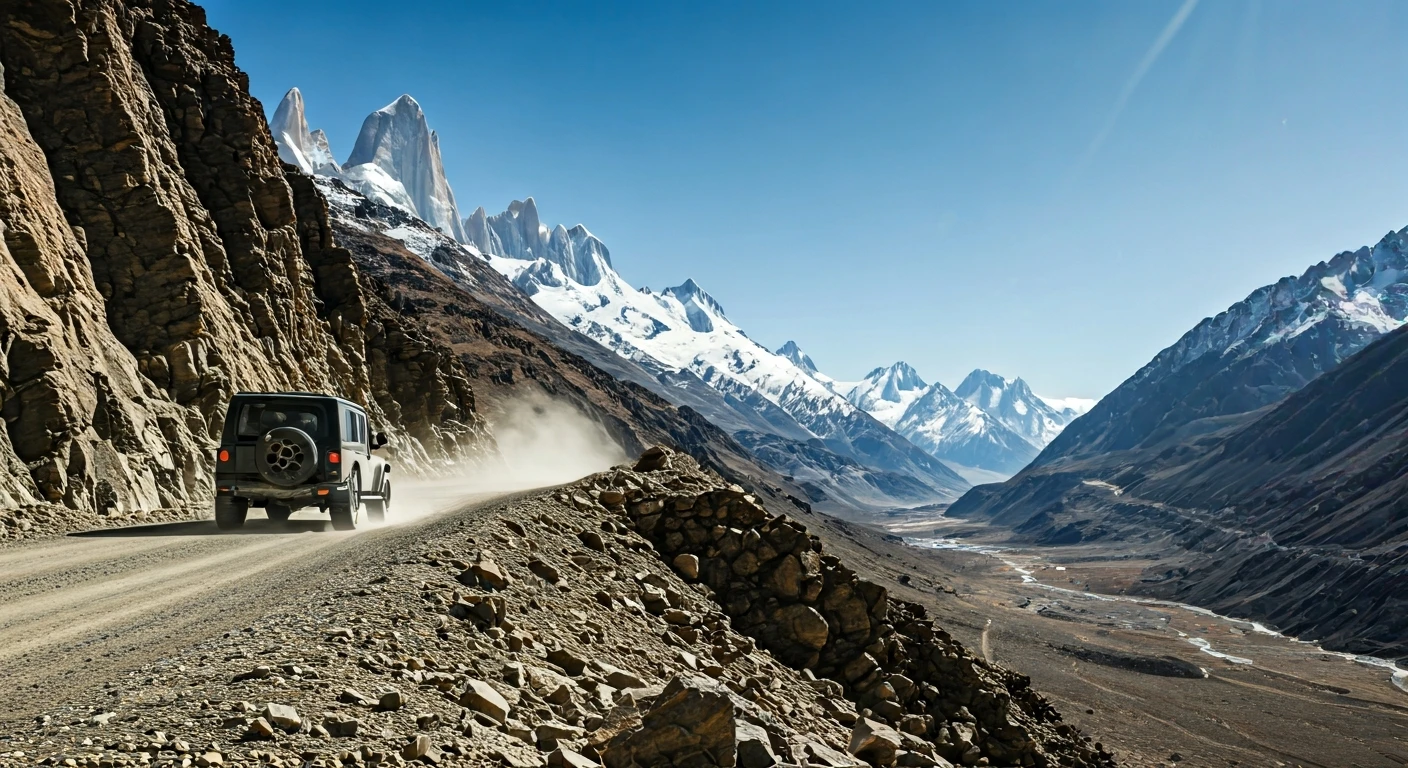
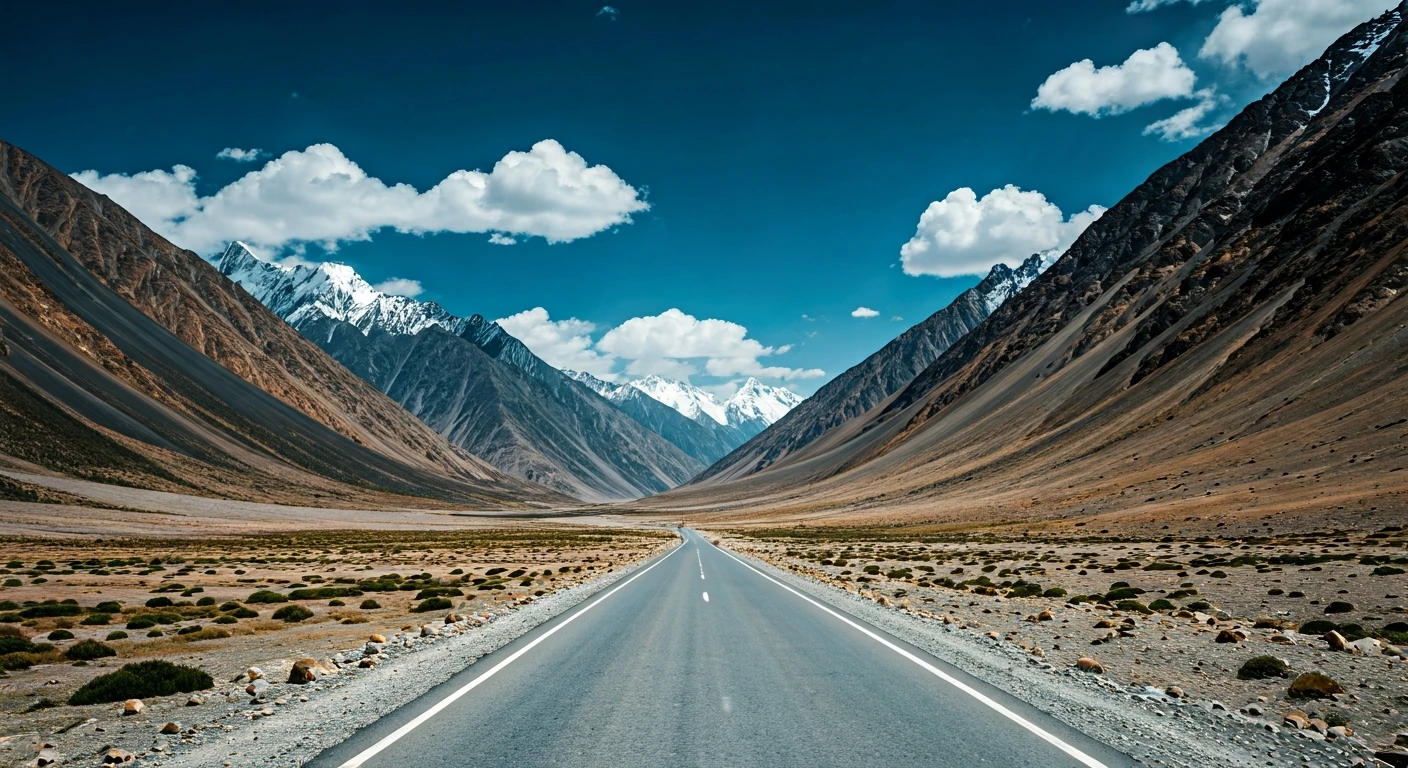
Let’s be clear: the roads in Spiti are the main character of this story. Forget smooth asphalt highways. The primary routes, particularly the notorious stretch from Manali to Kaza, are a chaotic, thrilling mix of gravel, dirt, and boulders. You'll navigate water crossings where glacial melt floods the road, inch past landslide debris, and pray your driver knows what they're doing on hairpin bends with no guardrails and thousand-foot drops. This isn’t a bug; it’s the feature. Every heart-stopping moment, every shot of a tiny SUV dwarfed by a sheer rock face, is pure, uncut adventure content. The legendary Hindustan-Tibet Highway, which offers a more gradual ascent, is often called one of the most treacherous roads in the world, and it's considered the 'easier' way in.
The Drama of Altitude
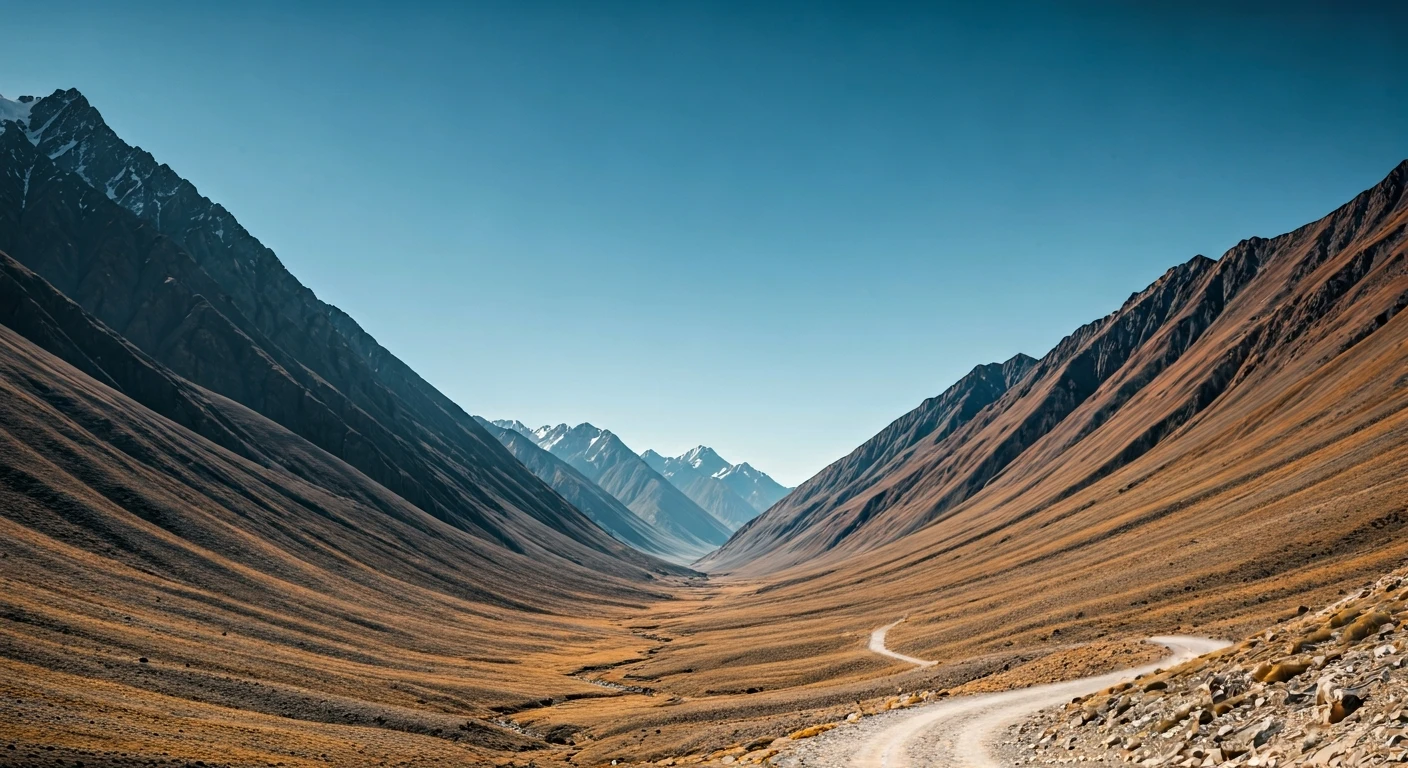
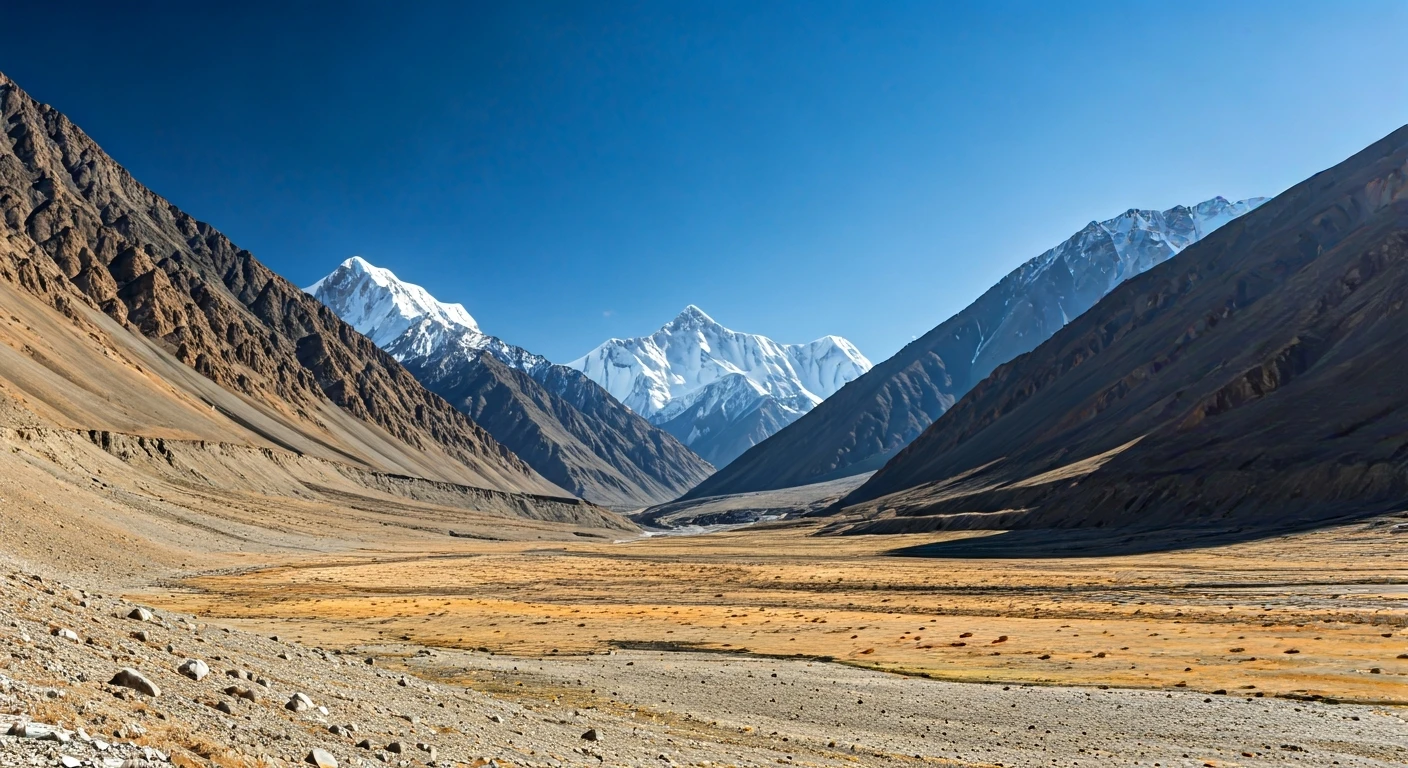
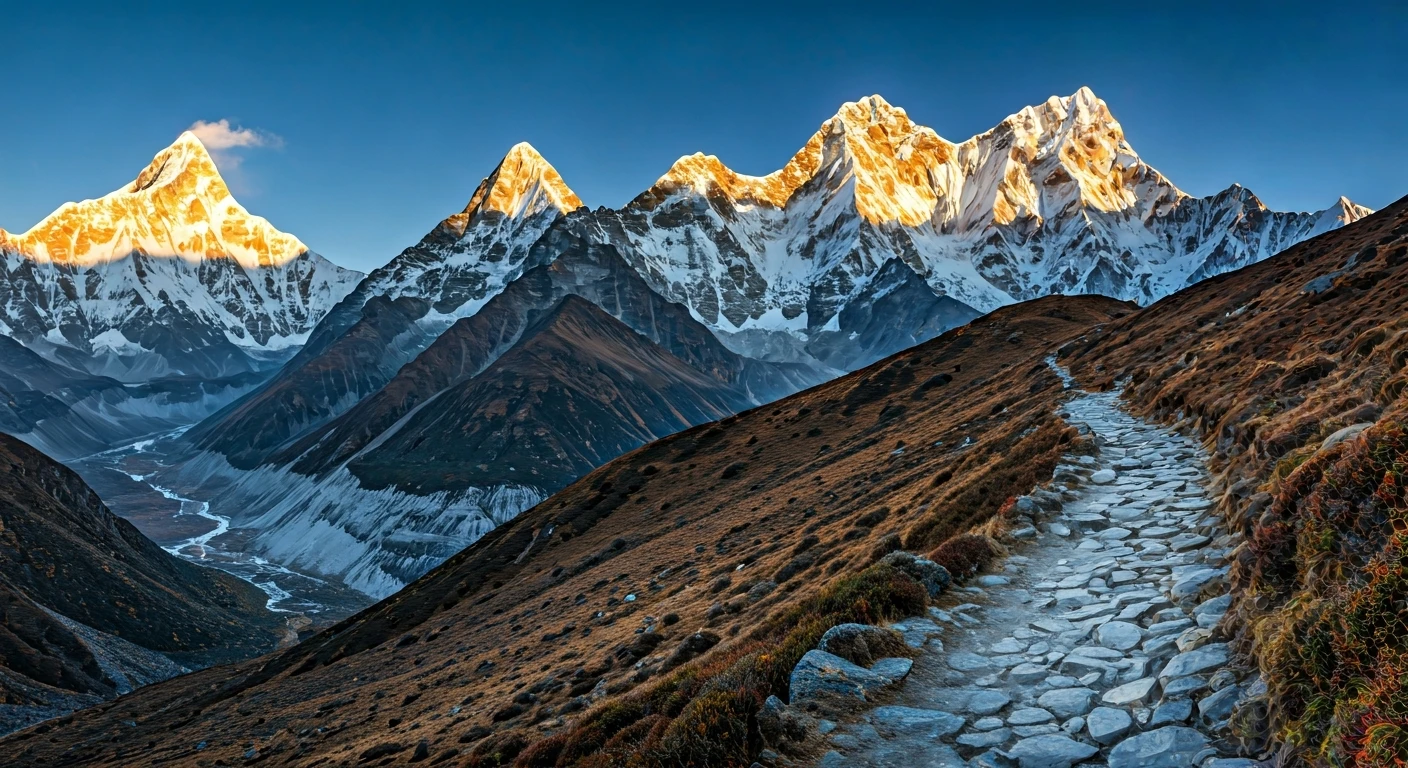
Spiti Valley’s average elevation is over 12,500 feet. To get there, you must cross mountain passes like Kunzum La (14,931 ft) and Rohtang Pass (13,058 ft). The altitude is more than just a number; it’s a physical presence. The air is thin, the sun is harsh, and the landscape becomes starkly beautiful. This high-altitude environment creates a dramatic backdrop found in few other places on Earth. The sky is a deep, piercing blue, and the barren mountains change color with the sun, shifting from ochre to purple to deep brown. While Acute Mountain Sickness (AMS) is a real and serious risk that requires acclimatization, the feeling of standing on a high pass, surrounded by prayer flags whipping in the wind and a 360-degree view of snow-capped peaks, is an experience of profound accomplishment.
A Landscape from Another Planet
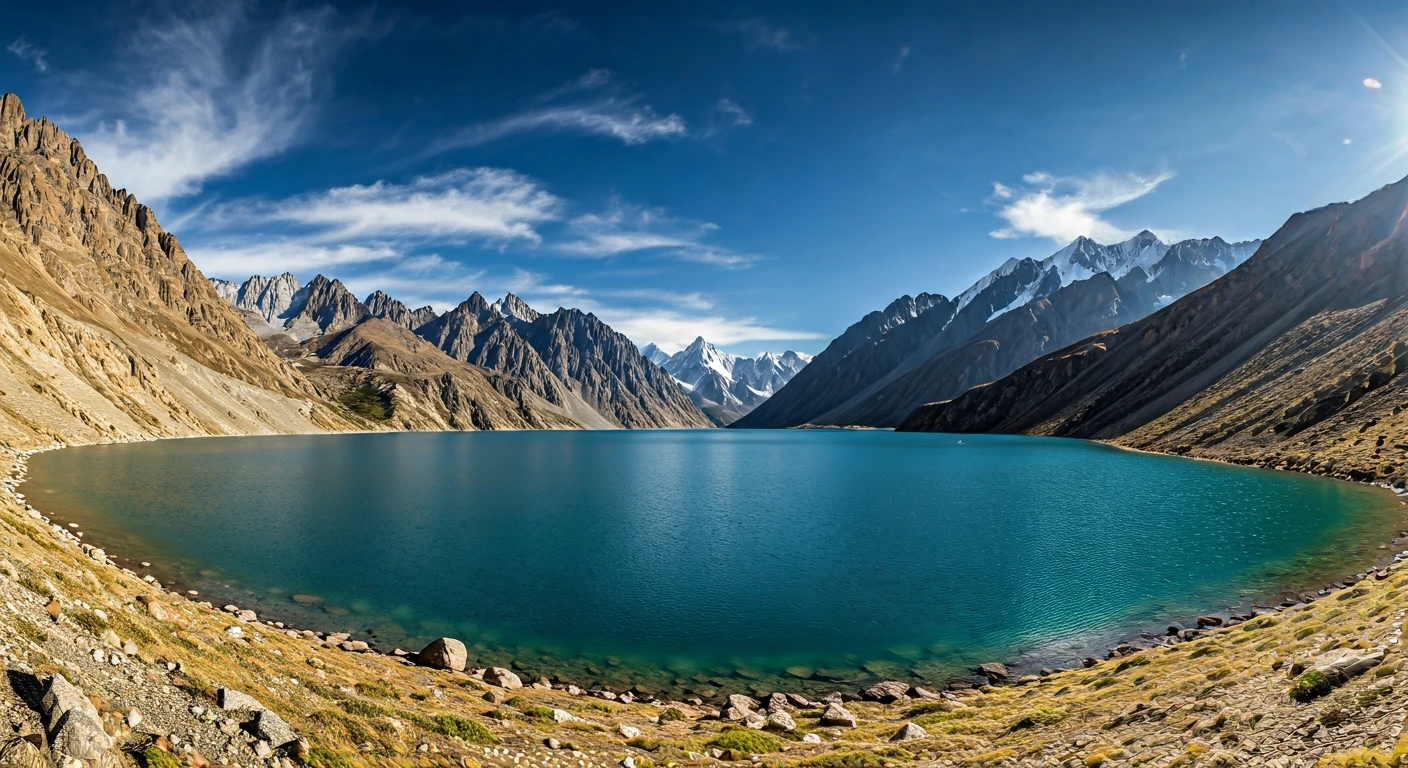
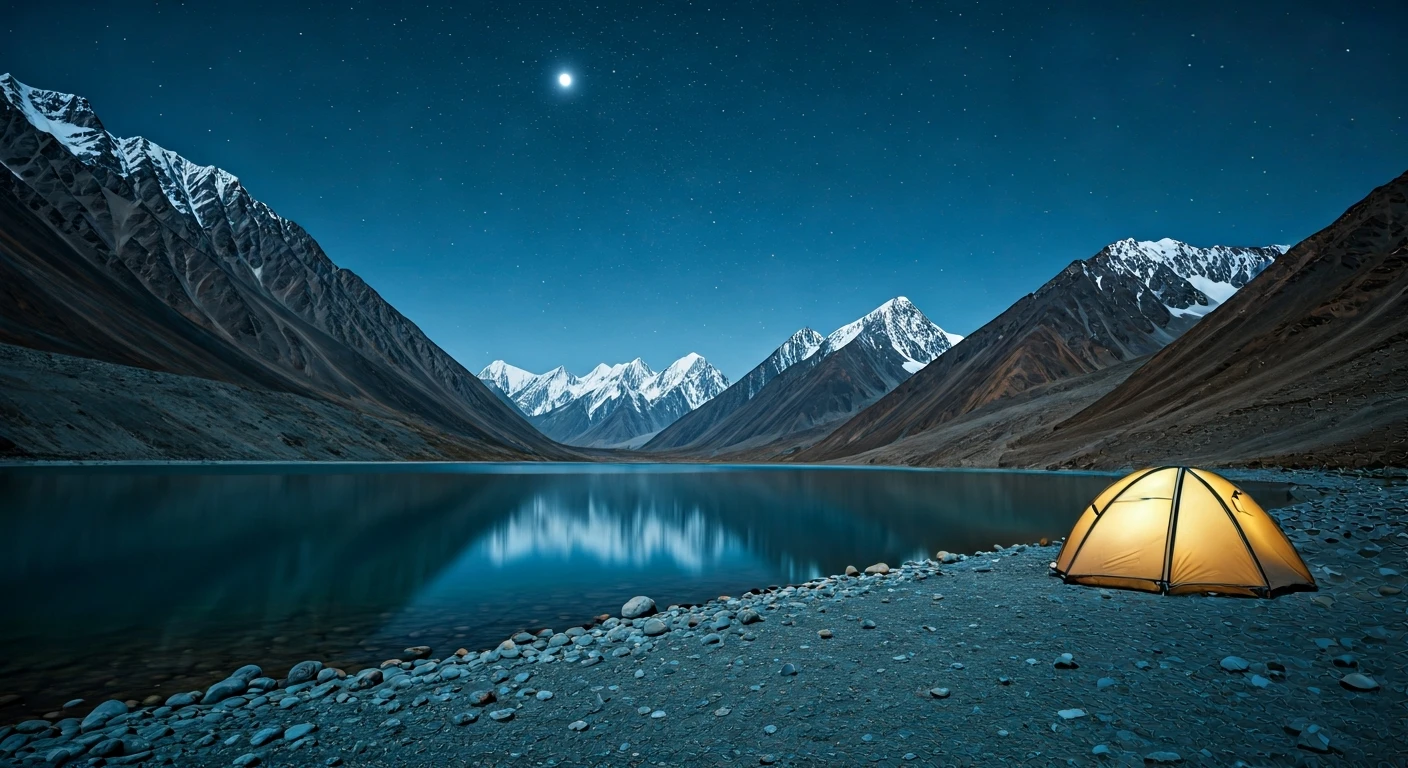
The scenery in Spiti is why your camera—and your Instagram feed—will never be the same. It’s a world stripped of excess, leaving only raw, elemental beauty. Picture driving through vast canyons carved by the Spiti River, its vibrant turquoise water a shocking contrast to the monochrome mountains. You’ll pass through villages that look like they’ve grown out of the mountainside and see landscapes so empty and vast they feel like the surface of the moon. Highlights like Chandratal, the 'Moon Lake,' offer a perfect, serene reflection of the surrounding peaks, while the Pin Valley National Park introduces surprising patches of green and the chance to spot rare wildlife like the snow leopard or Siberian ibex.
Culture Frozen in Time
This adventure isn’t just about adrenaline and vistas. Spiti is a cradle of Tibetan Buddhism, and its ancient monasteries are architectural and spiritual wonders. The Key Monastery, a labyrinthine complex perched dramatically on a conical hill, looks like a fortress from a fantasy novel. The Tabo Monastery, founded over a thousand years ago, is a UNESCO World Heritage site known for its stunning murals and caves once used by meditating monks. Visiting these places isn't a tourist transaction; it’s a step into a living history, a world where ancient traditions persist against a backdrop of breathtaking isolation. Capturing the image of a monk in crimson robes against a stark mountain landscape adds a layer of soul to the adventure reel.