





From Conspicuous to Conscious
Let’s be honest: the pressure to have a picture-perfect, Instagram-worthy vacation is exhausting—and expensive. The old flex was rooted in conspicuous consumption, proving you could afford the five-star resort or the first-class flight. The 'smart flex,'
however, is entirely different. It’s about showcasing resourcefulness, good taste, and a value system that prioritizes genuine experience over manufactured luxury. Choosing a week-long road trip through Utah’s national parks over a weekend in a sceney Miami hotel isn't about deprivation; it's a deliberate choice. It signals that you value stunning landscapes, physical challenges, and quiet moments more than you value being seen in the 'right' places. In an era of economic uncertainty and digital burnout, opting for a trip that’s both affordable and soul-filling is the ultimate power move.
The National Park Renaissance
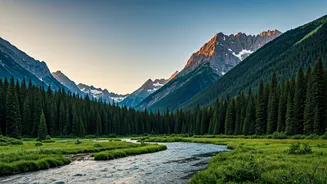
The most obvious example of this trend is the explosion in popularity of America's national and state parks. For the cost of an $80 annual 'America the Beautiful' pass, you gain access to more than 2,000 federal recreation sites. That’s an entire year of potential adventures for less than the price of a single night at a mid-range city hotel.
But the smart flex isn’t just about hitting Yellowstone or Zion with a million other people. It’s about the savvy traveler who discovers the dramatic canyons of Black Canyon of the Gunnison National Park in Colorado or the pristine coastline of Oregon's Samuel H. Boardman State Scenic Corridor. It's about finding that jaw-dropping vista that isn’t already a geotagged cliché. This approach demonstrates curiosity and a willingness to go beyond the obvious, which is far more impressive than simply booking a popular resort.
It's More Than Just a Tent
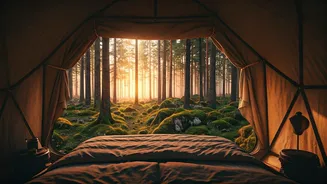
When people hear 'budget nature travel,' they often default to images of wrestling with a leaky tent in the rain. While camping is certainly a core component, the modern version is much broader. It includes renting a simple, rustic cabin in the woods, finding a unique yurt on a platform like Hipcamp, or staying in a restored vintage Airstream. These options often provide more character and connection to the location than a generic hotel room, and at a fraction of the cost.
The rise of 'van life' culture, even in its weekend-warrior form, is another aspect. You don’t need a custom $150,000 Sprinter van. A reliable car with the back seats folded down, a comfortable mattress, and a cooler can be a passport to freedom, allowing you to wake up at a trailhead or a secluded beach. The flex is the mobility and the minimalist efficiency, not the vehicle itself.
The ROI Is Your Well-Being
Perhaps the most compelling part of the budget nature travel boom is its undeniable return on investment. The money you save is just the beginning. The real payoff comes from disconnecting from screens and reconnecting with the real world. Scientific studies have shown that spending time in nature—a practice known as 'forest bathing' or 'ecotherapy'—can reduce stress, lower blood pressure, and improve mood.
A vacation built around hiking to a summit, cooking a meal over a campfire, or simply watching the stars emerge in a dark sky provides a sense of accomplishment and peace that material luxury rarely can. You come back not just with photos, but with stories of challenges overcome and genuine moments of awe. That feeling of being recharged and resilient is a form of wealth that no hotel bill can capture.