





1. Fresh Windshield Wiper Blades
This seems obvious, but it’s the most critical and commonly neglected item. The same intense sun that bakes the landscape also destroys the rubber on your wiper blades, causing them to crack, split, and lose their flexibility. Blades that seemed fine
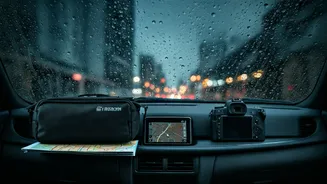
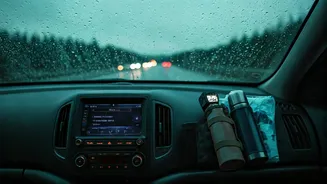
in May will utterly fail during the first torrential downpour in July, smearing water across your windshield instead of clearing it. Don't just check them; replace them. For a few dollars, you are buying clear vision in near-zero visibility conditions. Think of it as the cheapest safety feature you can buy before a storm hits and you’re trying to navigate a freeway in a blinding wall of rain.
2. The Right Tire Tread and Pressure
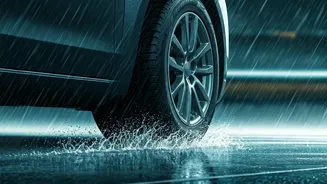
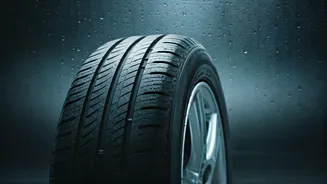
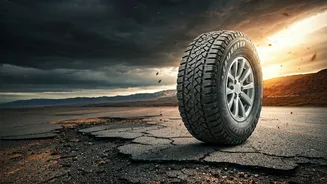
Monsoon rains don't just fall; they pour, quickly turning oily, dusty roads into slick surfaces perfect for hydroplaning. Your tires are your only connection to the road, and their ability to channel water away from the contact patch is determined by tread depth. Use a penny to check: if you can see all of Lincoln's head when you insert it into the tread, your tires are dangerously worn and need replacement. Also, check your tire pressure. The extreme temperature swings before and after a storm can affect pressure, impacting your vehicle's handling, braking, and ability to resist hydroplaning. Make sure they’re inflated to the manufacturer’s specifications, usually found on a sticker inside the driver’s door jamb.
3. A Full Windshield Washer Fluid Reservoir
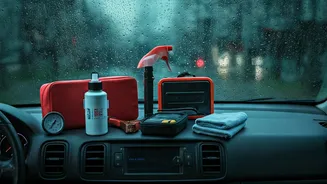
Many monsoon storms are preceded by powerful dust storms, or haboobs, that coat everything in a fine layer of grit. When the first fat raindrops start to fall, they don't wash this dust away—they turn it into a thick, vision-obscuring mud on your windshield. Turning on your wipers without fluid will only smear this grime, creating a dangerous blind spot right when you need to see most. A full reservoir of washer fluid is your secret weapon, allowing you to spray and wipe the mud away instantly, restoring visibility. It's a simple, inexpensive check that can save you from a terrifying moment on the road.
4. Fully Functional Air Conditioning
This isn't about comfort; it's about safety. When a monsoon storm hits, the outside air is suddenly cool and saturated with moisture. Your car's interior, however, is still warm. This combination causes your windows to fog up from the inside almost instantly. While your defroster helps, the fastest and most effective way to clear interior fogging is by running your air conditioner. The A/C system acts as a dehumidifier, pulling moisture from the cabin air and dramatically improving visibility within seconds. An A/C system that struggled during the heat will be useless for defogging in a storm.
5. A Portable Power Bank
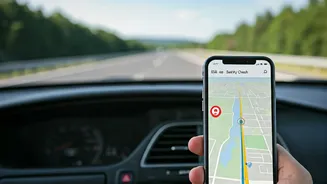
Everyone knows to have a phone, but what happens when you’re stuck in a flash flood traffic jam for three hours and can't run your engine to charge it? A dead phone means no access to navigation, emergency services, or loved ones. A small, fully charged portable power bank is a non-negotiable part of a modern emergency kit. It ensures you can keep your primary communication and information tool powered up, no matter how long you are stranded. Keep one in your glove box along with the appropriate charging cable—and make sure to periodically recharge the bank itself.
6. Emergency Water and Snacks
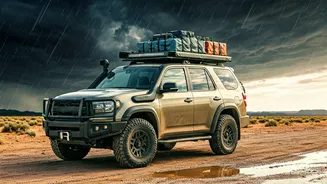
Flash floods from monsoon storms don't just make roads slick; they can wash them out entirely, closing major routes for hours or even days. Getting stranded is a real possibility. Unlike in winter storms where the danger is freezing, the primary risk in a summer monsoon is dehydration and heat exhaustion if your car's A/C fails or you run out of fuel. Keep a case of water and some non-perishable, high-energy snacks (like granola bars or trail mix) in your trunk. It might seem like overkill, but you’ll be thankful if a 30-minute drive turns into a six-hour standstill.
7. All Your Exterior Lights
During a heavy downpour or a dust storm, your headlights aren't just for you to see—they are for other drivers to see you. Visibility can drop to a few feet in seconds. Before the season starts, do a walk-around of your vehicle. Check your headlights (both low and high beams), taillights, brake lights, and especially your hazard lights. Have a friend or family member help you verify that everything is working. In many states, it's the law to have your headlights on when your wipers are running. Functioning lights are your first line of defense against being rear-ended in a low-visibility whiteout.