


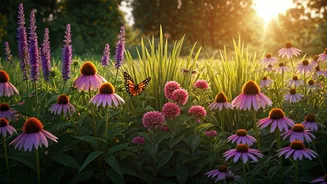


1. The Pollinator Powerhouse: Coneflowers and Bee Balm
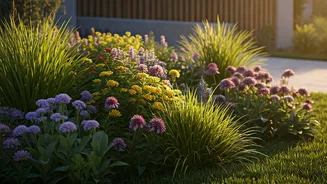
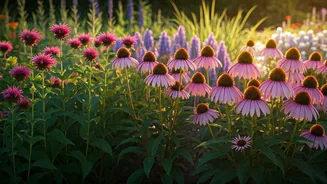
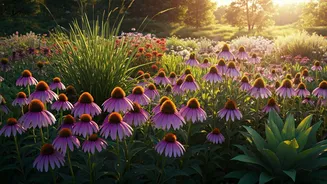
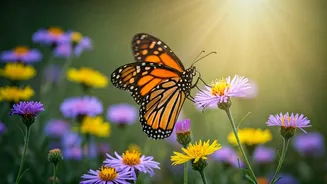
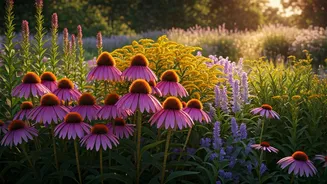
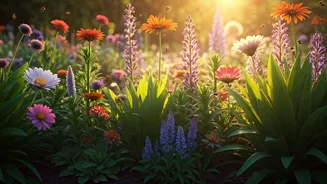
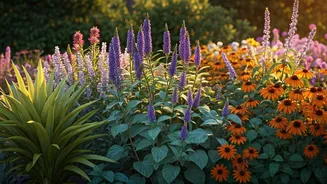
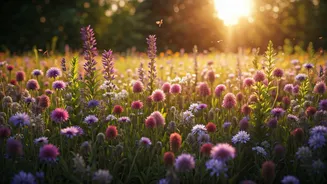
If you want a garden buzzing with life, look no further than these floral dynamos. Purple Coneflower (Echinacea purpurea) and Bee Balm (Monarda) are poster children for the native plant movement for good reason. Their vibrant, long-lasting blooms are magnets
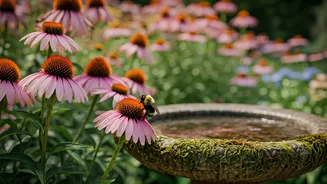
for bees, butterflies, and hummingbirds. Coneflowers, with their iconic drooping petals and spiky centers, provide pollen for bees and seeds for goldfinches in the fall. Bee Balm’s unique, firework-like flower clusters are perfectly shaped for hummingbirds and long-tongued bees. Both are famously resilient, tolerating drought once established and thriving in full sun. They return year after year with minimal fuss, making them a top choice for gardeners in the Midwest, East, and Southeast who want maximum impact with minimum effort.
2. The Shade Garden Savior: Ferns and Coral Bells
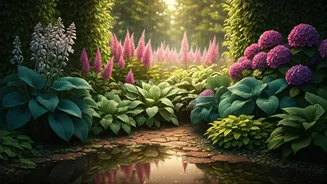
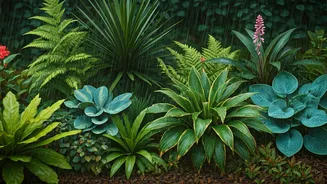
That shady spot where grass refuses to grow is no longer a problem—it’s an opportunity. Native ferns, like the elegant Ostrich Fern (Matteuccia struthiopteris) or the hardy Christmas Fern (Polystichum acrostichoides), create lush, textured green backdrops that thrive in low light and moist soil. They unfurl in the spring with dramatic fiddleheads and offer a serene, woodland feel. To add a splash of color, pair them with Coral Bells (Heuchera), a versatile perennial prized for its stunning foliage. Available in shades from deep purple and bronze to lime green, Coral Bells send up delicate bell-shaped flowers on tall stems that attract hummingbirds. Together, these plants transform challenging shady areas into dynamic, low-maintenance garden highlights.
3. The Drought-Tolerant Hero: Yarrow and Sedum
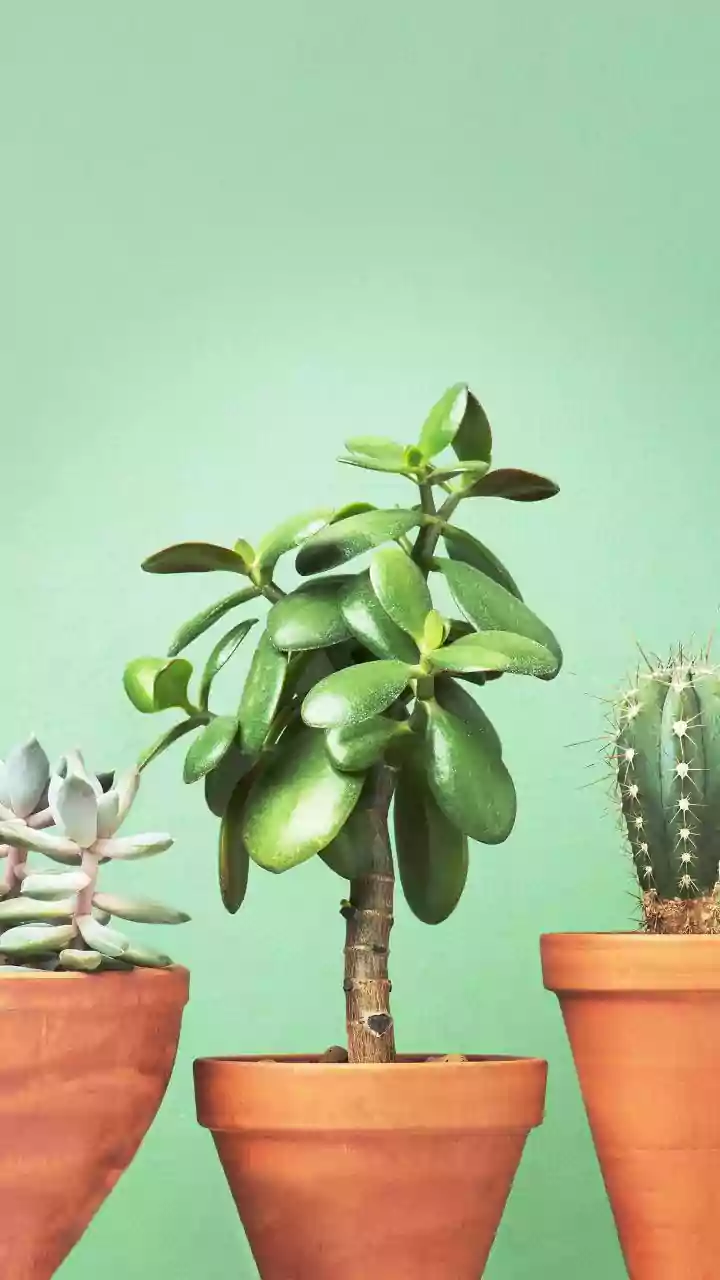
For sun-baked strips and areas with poor soil, these hardy survivors are true champions of water-wise gardening. Yarrow (Achillea millefolium) features feathery foliage and flat-topped flower clusters in shades of white, yellow, and pink that are beloved by beneficial insects like ladybugs and hoverflies. It thrives on neglect, laughing off heat and dry conditions that would wilt less-adapted plants. Similarly, native Sedums, often called stonecrops, are succulents that store water in their leaves, making them incredibly drought-resistant. Autumn Joy Sedum, for instance, provides summer blooms that age to a beautiful rusty red in the fall, offering four-season interest. These plants are ideal for xeriscaping, especially in the West and other dry regions, proving that a beautiful garden doesn't have to be a thirsty one.
4. The Structural Superstar: Oakleaf Hydrangea
Every great landscape needs strong structure, and the Oakleaf Hydrangea (Hydrangea quercifolia) delivers in every season. Native to the Southeastern U.S. but adaptable across many climates, this shrub is a true all-star. In summer, it produces magnificent, cone-shaped white flower panicles that gradually fade to pink. Its large, oak-leaf-shaped foliage provides bold texture before turning brilliant shades of red, bronze, and purple in the fall—often considered one of the best autumn displays of any shrub. Even in winter, its exfoliating, cinnamon-colored bark adds visual interest to the barren landscape. It provides crucial shelter for birds and is far more ecologically valuable than many non-native ornamental shrubs.
5. The Grassy Groundbreaker: Little Bluestem
Ornamental grasses add movement and sound to the garden, and native grasses like Little Bluestem (Schizachyrium scoparium) are taking center stage. This prairie native is celebrated for its beautiful blue-green foliage during the summer, which transforms into a striking copper-orange hue after the first frost, glowing in the low winter sun. Its fluffy seed heads persist through the cold months, providing food for birds and visual appeal against a snowy backdrop. Little Bluestem is incredibly tough, with a deep root system that helps manage erosion and makes it highly drought-tolerant. Used in a meadow-style planting or as an accent, it brings a sense of the American landscape right into your yard, connecting your garden to the wider ecosystem.