


The Old Vacation Mindset, Drenched
For decades, the American vacation was an exercise in optimization. It was about cramming as much activity, sightseeing, and photo-worthy moments into a limited timeframe. A successful trip was measured by a completed checklist: museums visited, trails
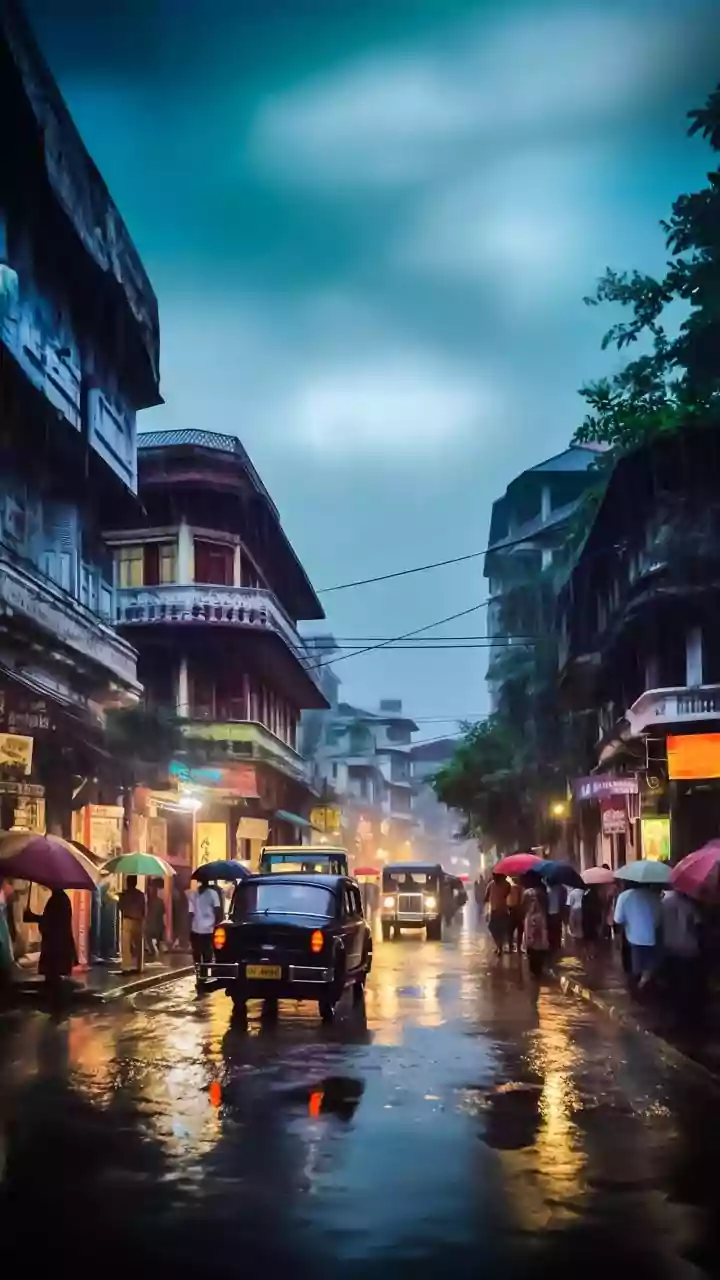
hiked, beaches frequented. In this model, bad weather is the ultimate enemy. A downpour doesn’t just cancel a specific plan; it attacks the very foundation of the trip's perceived value. This created a culture of “weather-proofing” travel. We packed rain gear “just in case,” scouted for indoor backup activities like bowling alleys or malls, and spent hours staring at weather apps, hoping for a break in the clouds. The hotel was merely a functional basecamp—a place to sleep and store luggage between excursions. A rainy day spent in a sterile, 250-square-foot hotel room with two queen beds and a mini-fridge felt less like a vacation and more like a holding cell.
The Homestay as the Destination
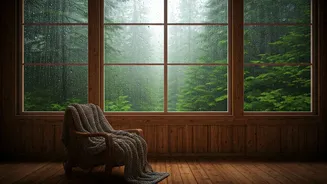
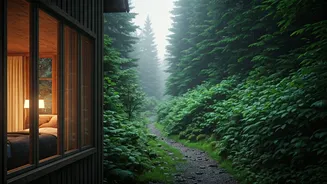
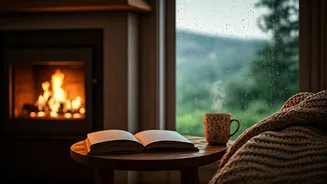
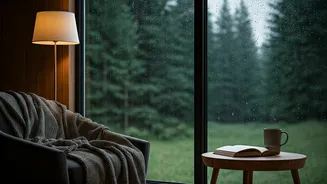
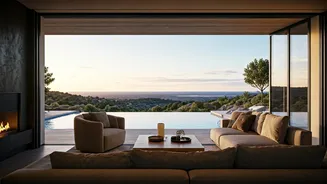
The shift began with the explosion of homestays, from rustic cabins on Airbnb to curated, design-forward homes on platforms like Vrbo. Unlike a standardized hotel room, a homestay offers character and amenities that transform the accommodation itself into a primary attraction. Suddenly, the place you’re staying has a fully equipped kitchen for baking a pie, a crackling fireplace, a deep soaking tub, a bookshelf sagging with unread novels, or a covered porch with rocking chairs perfect for watching the storm. These are not just features; they are invitations. They encourage a different kind of vacationing—one that is introspective, leisurely, and deeply restorative. When your temporary home is a destination in its own right, the pressure to be out *doing things* evaporates. A rainy forecast is no longer a threat to the itinerary because, in a way, there is no itinerary. The goal shifts from seeing the world to inhabiting a small, beautiful piece of it for a while.
Embracing the Art of Slow Travel
This trend dovetails perfectly with the principles of “slow travel.” More than just a buzzword, slow travel is a conscious rejection of the checklist mentality. It prioritizes connection—to the place, to your travel companions, and to yourself—over consumption. It’s about quality over quantity. A rainy week in a well-chosen homestay is a masterclass in this philosophy. It forces you to slow down. You can spend the morning reading a book without guilt, take three hours to cook an elaborate meal from local market ingredients, play a board game, or simply sit and listen to the rhythm of the rain. These are activities often squeezed out of our over-scheduled daily lives and, ironically, our over-scheduled vacations. The rain provides the perfect excuse to do nothing, which, in our hyper-productive culture, can be the most luxurious activity of all.
How to Plan Your Perfect Rainy Retreat
Intentionally planning for a slow, potentially rainy trip involves a new set of criteria. When browsing for a homestay, start filtering by the experience you want to have indoors. Instead of prioritizing proximity to tourist hotspots, look for the amenities that facilitate coziness and connection. Search for keywords like “fireplace,” “chef’s kitchen,” “library,” “soaking tub,” or “game room.” Scrutinize the photos: Does it have a comfortable-looking sofa for lounging? Is there a covered outdoor space to enjoy the fresh, rain-washed air? Does the atmosphere feel like a place you’d genuinely want to be stuck in? The best slow escapes are curated not by what you’ll do outside, but by the quality of life you can create inside. Pack your favorite cookbook, a new novel, and comfortable sweaters. You’re not packing for a vacation; you’re packing for a retreat.