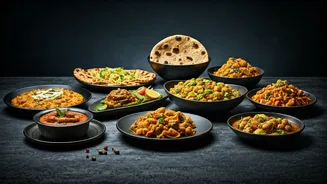

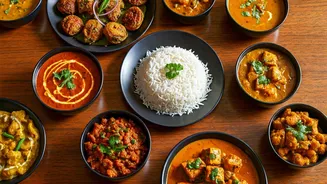


Beyond the Anglo-Indian Buffet
Let’s be honest: the Indian food most Americans grew up with was a simplified, greatest-hits collection. Often delicious, it was largely based on North Indian Punjabi cuisine, filtered through a British lens. This menu became a form of shorthand, creating
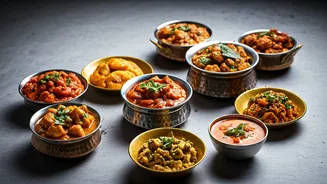
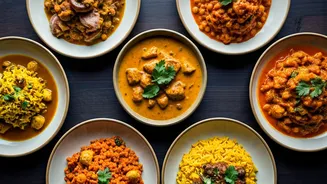
a monolithic idea of what a nation of over a billion people eats. It was comforting and predictable, but it was also a disservice to the staggering diversity of India’s culinary landscape. Imagine if all 'American food' was just cheeseburgers and fries, or 'Italian food' never moved past spaghetti and meatballs. For years, that’s what happened to Indian cuisine abroad. The rich, coconut-laced seafood curries of Kerala, the spicy, fermented delicacies of the Northeast, and the complex vegetarian thalis of Gujarat were largely invisible, hidden behind a wall of creamy, tomato-based sauces.
The New Guard of Storyteller Chefs
So, what changed? A new generation of chefs, many of them Indian immigrants or second-generation Indian Americans, stepped up. Tired of the narrow expectations, they decided to cook the food they grew up eating, the food of their specific hometowns and families. Chefs like Chintan Pandya of New York’s Dhamaka and Semma didn’t just open another Indian restaurant; they opened a portal to specific, previously unheralded regions. They presented dishes like goat neck biryani and baby shark curry not as exotic novelties, but as authentic expressions of identity. These chefs are culinary storytellers, using their menus to reclaim a narrative. They are proudly proclaiming that there is no such thing as 'Indian food'—only the foods of Bengal, Goa, Tamil Nadu, Kashmir, and countless other regions, each with its own history, techniques, and flavor profiles.
A Map on a Plate
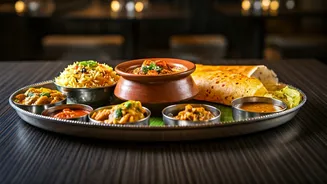
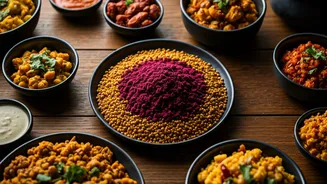
Exploring this new wave is like unfolding a culinary map of India. Instead of a generic 'vegetable curry,' you might find an *avial* from Kerala, a beautiful medley of vegetables in a coconut and yogurt sauce. Instead of the usual tandoori chicken, you might encounter the pungent, mustard-oil-infused fish dishes of Bengal. You could travel south to Chettinad for its famously fiery, black-peppercorn-heavy meat preparations or head to the coast of Goa for Portuguese-influenced vindaloos that taste nothing like the one-note spicy versions often found in old-school curry houses. This specificity is the heart of the movement. It’s a chance for diners to understand that the spices, fats, and core ingredients can change dramatically every few hundred miles, shaped by climate, trade routes, religion, and local agriculture. It’s an edible education.
Why We're Ready for It Now
This movement couldn't have happened without a crucial collaborator: the American diner. Our collective palate has evolved. Fueled by travel shows, food blogs, and Instagram, diners are more adventurous than ever. We crave authenticity, we’re intrigued by stories, and we’re tired of the same old thing. The rise of regional Indian food fits perfectly into this broader cultural shift toward understanding the specifics of cuisine, whether it’s Oaxacan mole or Neapolitan pizza. Social media has played a massive role, allowing a small restaurant in Queens serving hyper-specific Bengali food to find its audience across a city. Diners are no longer just seeking a meal; they're seeking an experience. And being introduced to the real, vibrant, and diverse flavors of a country you thought you knew is one of the most exciting experiences you can have.