





From 'Bleisure' to Integrated Living
For years, the buzziest term in corporate travel was 'bleisure'—the practice of tacking a few vacation days onto a business trip. But a more profound shift is now underway, driven by the demands of a flexible, post-pandemic workforce. We're moving beyond
a simple weekend extension and into the era of the high-end extended stay. This isn't just about a nicer hotel. Companies like Sonder, Blueground, and Mint House are pioneering a new category that sits somewhere between a luxury apartment and a boutique hotel. They offer fully-furnished, design-forward apartments in prime urban locations, bookable for weeks or months at a time. The key difference is the focus on creating a complete living experience, not just a place to sleep. They’re betting that for today’s top talent, a month-long project in a new city should feel less like a deployment and more like an opportunity to truly live and work there.
The Anatomy of the Upgrade
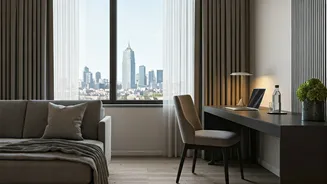
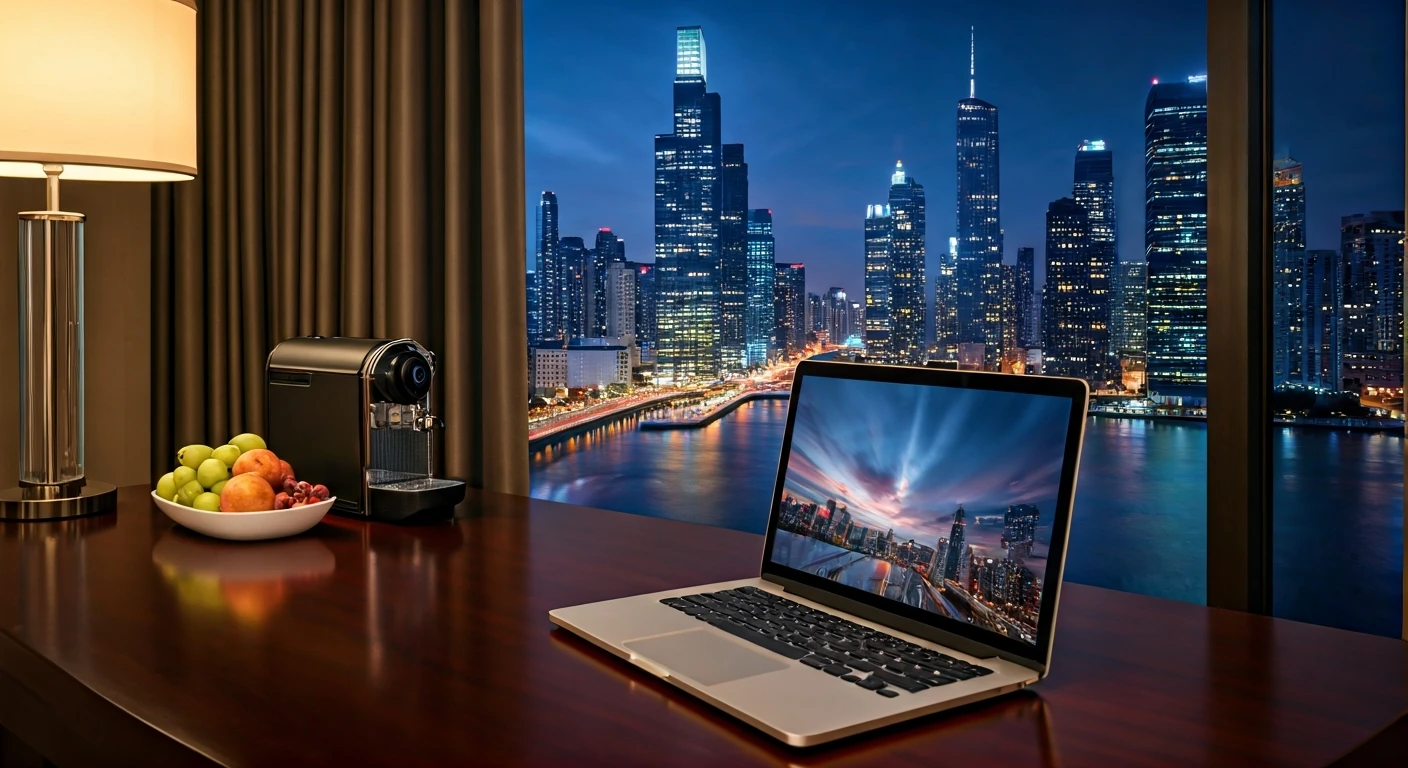
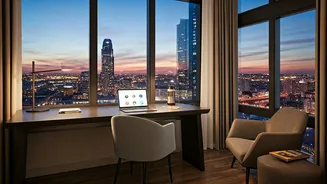
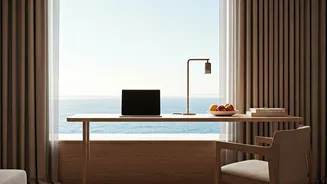
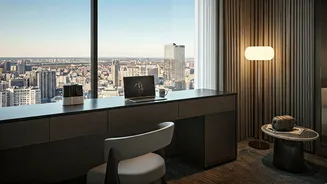
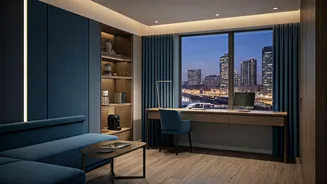
So, what does this 'luxe upgrade' actually look like? It starts with ditching the generic, mass-produced furniture of traditional corporate housing. Instead, these spaces feature curated, Instagram-worthy interiors with designer pieces, local art, and a distinct personality. Kitchens are a major focus, equipped not with a sad hot plate and a mini-fridge, but with high-end appliances, quality cookware, and everything you need to cook a real meal. The technology is also seamless. Expect keyless entry, lightning-fast Wi-Fi, smart TVs, and dedicated, comfortable workspaces—not just a corner of the dining table. Beyond the apartment itself, the amenities are hotel-grade. Think rooftop pools, state-of-the-art fitness centers, 24/7 concierge services via an app, and regular professional cleanings. It’s the consistency and quality of a hotel brand combined with the space and autonomy of having your own apartment.
The New Business Case for Comfort
This trend isn't just about aesthetics; it's rooted in a powerful business calculation. In a tight labor market where skilled professionals can work from anywhere, companies are realizing that the quality of a long-term assignment is a crucial factor in attracting and retaining talent. Asking an employee to relocate temporarily for a three-month project is a much more appealing proposition if their accommodation is a beautiful, comfortable home in a vibrant neighborhood. For the employee, it reduces friction and burnout. There’s no need to hunt for furniture on Craigslist or set up utility accounts. They can arrive with a suitcase and immediately feel settled, allowing them to be more productive and engaged from day one. For employers, this translates into a better return on their investment in talent. It’s a strategic move to prioritize employee well-being as a driver of performance.
Hospitality's High-Stakes Bet
The hotel industry is taking notice. Seeing the rapid growth of startups like Sonder (which has partnered with giants like Marriott), major hospitality brands are scrambling to claim their piece of this lucrative market. Hyatt, for example, has been aggressively expanding its extended-stay offerings, recognizing that guests who stay longer are often more profitable and less demanding than one-night travelers. Accor has its onefinestay brand, and Hilton has Homewood Suites and Home2 Suites, both of which are evolving to meet these higher expectations. The model disrupts the traditional divide between hotels, short-term rentals like Airbnb, and corporate housing. By offering a professionally managed, high-quality, and flexible product, these companies are creating a new asset class that appeals to business travelers, digital nomads, and even people relocating for personal reasons. It’s a high-stakes bet that the future of work is mobile, flexible, and unwilling to compromise on quality of life.