




What Exactly Is a 'Smarter' Label?
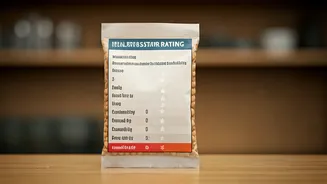
Forget squinting at the tiny print of nutritional facts on the back of the box. India’s food safety authority, FSSAI, has introduced a new system called the Indian Health Star Rating (IHR). This is a simple, front-of-pack label that rates packaged foods
on a scale from half a star to five stars. The more stars a product has, the healthier it is. The rating is calculated based on the product’s levels of sodium, sugar, saturated fat, and positive nutrients like protein and fiber. A buttery, sugary snack might get one star, while a high-fiber, low-sugar lentil soup could earn four or five. The idea is to give consumers an at-a-glance understanding of a product's nutritional value, similar to the 'traffic light' system used in the U.K. or the Health Star Rating in Australia and New Zealand. It’s designed to cut through marketing jargon and empower shoppers to make quicker, more informed decisions right in the grocery aisle.
A Direct Response to a Health Crisis
This isn't just a bureaucratic update; it's a public health intervention. Like many developing nations, India has seen a dramatic increase in the consumption of ultra-processed foods over the last two decades. With rising incomes and busier lifestyles, convenient, packaged meals have become a staple for millions. Unfortunately, this shift has been linked to a surge in diet-related health issues, including obesity, type 2 diabetes, and heart disease.
Public health experts in India have been advocating for a clear, mandatory front-of-pack labeling (FOPL) system for years. They argued that the existing nutritional information was often confusing and ineffective for the average consumer. The government hopes that by putting a simple, visual rating on the front of every package, it can gently nudge both consumers toward healthier choices and manufacturers toward reformulating their products to earn more stars.
Will You See Stars on Your Samosas?
So, what does this mean for the American consumer browsing the international foods section? The answer is a bit complicated. The IHR system is mandatory for food products sold *in India*. It doesn't automatically apply to products manufactured for export to the United States, which must comply with FDA labeling regulations.
However, the impact will likely be felt indirectly. Many of the large Indian food conglomerates that export to the U.S. will be reformulating their products to achieve a better star rating for their domestic market. It’s often more efficient for a company to use a single, healthier recipe for all markets rather than maintaining separate versions. As a result, the frozen chicken korma or packaged chana masala you buy in Chicago might soon contain less salt or sugar, thanks to a regulation passed in New Delhi. This change incentivizes a 'health lift' across the board, making products better for everyone, regardless of where they're sold.
Part of a Global Food Revolution
India’s move isn’t happening in a vacuum. It’s part of a worldwide trend toward greater food transparency. From Chile’s stark black warning labels on unhealthy snacks to Europe’s Nutri-Score, governments are realizing that informing consumers is one of the most powerful tools they have to combat public health crises. These systems create a new kind of marketplace where healthiness is a visible, competitive attribute.
For Americans, this global push is good news. It signals a future where we can expect more clarity and honesty from food manufacturers, not just at home but from the brands we import. The 'smarter' label on Indian ready food is another sign that the era of hiding behind complex ingredient lists is coming to an end, paving the way for a healthier global pantry.