




Redefining the Weight Room
For decades, the weightlifting corner of most American gyms felt like a private club with an unspoken dress code and a high barrier to entry. Dominated by grunting men and clanging iron, it was intimidating for newcomers, especially women. But a powerful
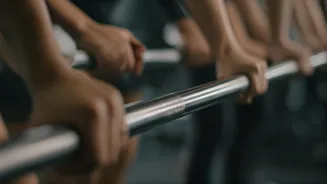
shift is underway. "Inclusive lifting" is dismantling that stereotype by creating environments where strength training is for every body. It’s a philosophy centered on welcoming women, queer individuals, and people of all fitness levels and body types to pick up a barbell. The focus isn't on building massive biceps or hitting a one-rep max for bragging rights; it's on mastering form, building functional strength, and celebrating the feeling of becoming more capable and resilient in your own skin. It prioritizes coaching over competition and community over ego, turning a once-isolating activity into a collective pursuit of power.
The Cultural 'Flex'
Within the Indian and wider South Asian diaspora, this movement has a unique resonance, becoming a new kind of 'flex'—one that signals confidence, rebellion, and progress. Traditionally, fitness for many South Asian women was channeled toward yoga, dance, or endless hours on the treadmill. Weightlifting was often dismissed as something that would make women 'bulky' or was otherwise seen as unfeminine. This new generation is pushing back. On social media, influencers and everyday women proudly post videos of their deadlifts and squats, framing their strength not just as a physical attribute but as a statement. It’s a flex against outdated cultural norms and expectations. By embracing lifting, they are visibly demonstrating their power, challenging gender roles, and carving out a new, modern identity that honors their heritage while refusing to be limited by it.
From Intimidation to Invitation
This transformation isn't happening by accident. It's being built by a network of trainers, online communities, and brick-and-mortar gyms that consciously reject old-school gym toxicity. Many are led by South Asian women who share their own journeys from feeling intimidated by weights to becoming passionate advocates. They create content that demystifies lifting, offering step-by-step tutorials on proper form and speaking a language of empowerment. Instead of 'no pain, no gain,' the mantra is about listening to your body. Instead of focusing on weight loss or aesthetic goals, the conversation is about performance—celebrating the first unassisted pull-up or the confidence that comes from lifting something you never thought you could. These spaces, whether online or in person, function as support systems where members cheer each other on, share advice, and foster a sense of belonging that was sorely missing from mainstream fitness.
The Power of Representation
Ultimately, the rise of inclusive lifting in the Indian community is a story about the power of representation. Seeing someone who looks like you, who may have navigated similar cultural expectations, confidently claim her space at the squat rack is profoundly impactful. It shatters the internal monologue that says, 'this isn't for me.' This visibility creates a permission structure for others to begin their own strength journey. The movement goes beyond physical health, touching on mental fortitude and self-worth. For many, learning to lift heavy things translates into a belief that they can handle other challenges in life. It's a physical practice that builds mental and emotional armor. This new 'flex' isn't just about showing off muscles; it's about showcasing resilience, community, and the strength that comes from proudly owning your identity.