
The Undeniable Allure of the Street
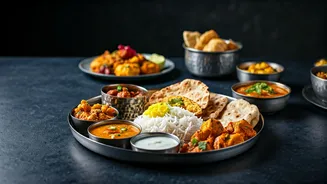
Let’s be honest: the siren song of street food is powerful. It’s the sizzle of oil hitting a hot griddle, the fragrant steam rising from a cart, the chaotic energy of a crowd gathered for a shared, delicious experience. From tacos al pastor in Mexico
City to pani puri on the streets of Mumbai, street food is a direct line to the heart of a culture. It’s cheap, it’s fast, and it’s often ridiculously tasty. There's a certain romance to it—a gamble that pays off with an explosion of flavor you can’t replicate in a home kitchen. You’re not just eating a snack; you’re participating in a ritual, taking a bite out of the city itself. It’s a transaction built on trust and a shared love of food, a moment of spontaneous joy in the middle of a busy day.
The Quiet Call for Comfort
But that romance has a flip side: uncertainty. Was the water clean? Were the ingredients fresh? Is your stomach going to agree with the decision your brain just made? For every transcendent street food experience, there's the lingering possibility of a less-than-pleasant aftermath. In recent years, a collective shift has occurred. We’ve become more conscious of what we put in our bodies, more attuned to hygiene, and more appreciative of control. The thrill of the unknown, while still appealing, now competes with a deeper craving for something reliable, soothing, and fundamentally safe. This isn’t about fear; it’s about a desire for restoration. It’s the search for a meal that doesn’t just feed the body, but calms the mind.
So, What Exactly Is Khichdi?
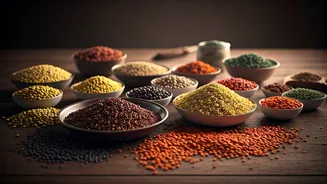
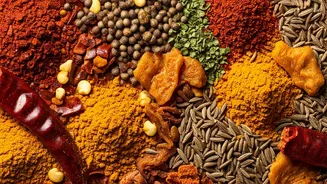
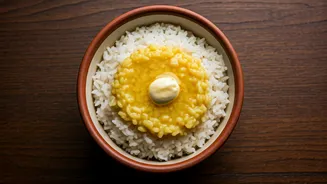
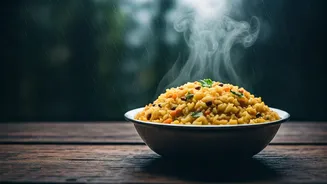
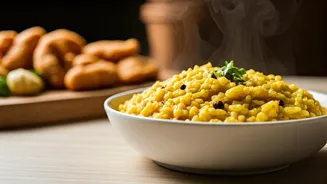
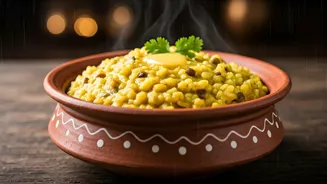
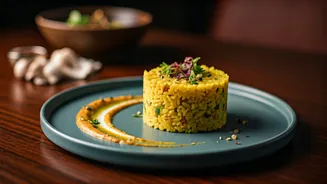
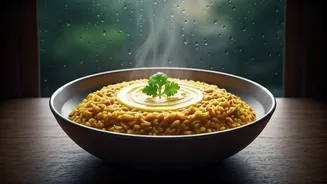
This is where khichdi (pronounced KICH-uh-dee) enters the chat. At its core, it’s one of the simplest dishes imaginable: a one-pot meal made by cooking rice and lentils together until they form a soft, savory porridge. Often seasoned with a pinch of turmeric and salt, it’s the definition of elemental nourishment. But that simplicity is its genius. Khichdi is a canvas. It can be made with different types of lentils (dal), enriched with vegetables, or finished with a “tadka”—a tempering of spices like cumin seeds, mustard seeds, and asafoetida bloomed in hot ghee or oil. In India, it’s a cultural touchstone. It's often the first solid food a baby eats and the go-to meal for someone recovering from an illness. It’s prescribed by Ayurvedic tradition as a perfectly balanced meal that’s easy to digest. It’s the dish a mother makes when you come home feeling down, the culinary equivalent of a warm, weighted blanket.
A Bowl of Controllable Joy
The beauty of khichdi in today's world lies in its predictability. You control every element. You wash the rice and lentils. You choose the spices. You know the pot is clean. In a world of supply chain questions and anxieties about public health, a bowl of khichdi is a bowl of certainty. It promises no surprises—only gentle, satisfying warmth. Eating it isn't a gamble; it’s an act of self-care. While street food offers a taste of the public square, khichdi offers the deep, restorative peace of the private kitchen. It doesn’t scream for your attention with vibrant colors or aggressive flavors. It whispers. It’s a humble acknowledgment that sometimes, the most profound culinary experiences aren't about excitement, but about a profound sense of well-being.