


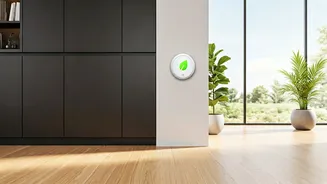
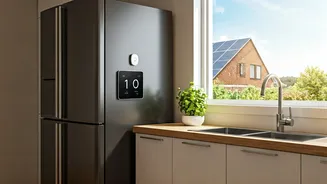


Beyond the Programmable Thermostat
For years, the pinnacle of home climate tech was the programmable thermostat—a device you could set to lower the heat at night or turn off the AC while you were at work. It was a step up, but it was rigid. It couldn’t account for a sick day at home, a spontaneous
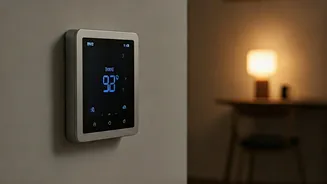
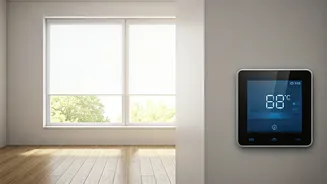
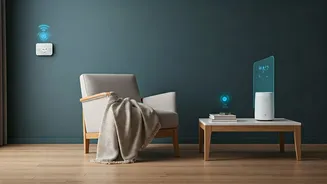
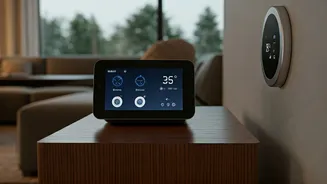
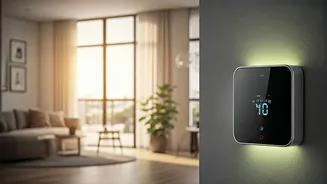
vacation, or a sudden heatwave. Automated climate control is the next evolutionary leap. It’s not just about programming a schedule; it’s about creating an environment that adapts to you. Modern smart thermostats and integrated systems use a combination of learning algorithms, motion sensors, and smartphone-based geofencing to understand your household’s unique patterns. It knows when you leave, anticipates when you’ll be back, and adjusts the temperature accordingly without you ever touching a dial. This isn’t just a gadget; it’s a responsive system designed to make your home’s environment one less thing to worry about.
The 'Practical' Payoff: Real Savings
The word “luxury” often implies something expensive and perhaps a bit frivolous. But the “practical” part of this new reality is undeniable, and it shows up directly on your utility bill. Because these systems are so efficient at heating and cooling only when needed, they eliminate a massive amount of energy waste. Instead of blasting the AC all day to ensure the house is cool when you get home at 5 PM, the system can power on just 30 minutes before your arrival, using GPS data from your phone. According to the EPA’s Energy Star program, homeowners with smart thermostats can save an average of about 8% on heating and cooling costs, which typically translates to around $50 per year. For some, especially in more extreme climates, those savings can be significantly higher. When you factor in the rebates often offered by local utility companies for installing energy-efficient devices, the upfront cost of a smart thermostat—often between $100 and $250—becomes a sensible investment that can pay for itself in just a few years.
The 'Luxury' of Effortless Comfort
While the savings are practical, the luxury component is all about the feeling of seamless, invisible comfort. It’s the quiet confidence of knowing your home is always at the perfect temperature. Imagine waking up in a bedroom that has gradually warmed to a pleasant 70 degrees, walking into a living room that’s perfectly cozy, and then leaving for work knowing the system will automatically switch to an energy-saving “away” mode. There’s no morning thermostat shuffle or nagging feeling that you forgot to turn the heat down. This luxury extends to solving common household disputes. Systems with remote sensors can prioritize the temperature in a specific room—like a nursery or a home office—ensuring the most important spaces are always comfortable. Some advanced setups even incorporate smart vents, which open and close automatically to direct airflow and eliminate hot or cold spots. This level of granular control was once the exclusive domain of high-end commercial buildings or custom-built mansions. Now, it's available off the shelf.
Getting Started Is Easier Than You Think
The idea of installing a new home system can be intimidating, but the entry point for automated climate control is surprisingly low-friction. For most people, it starts with a single smart thermostat. Companies like Nest, Ecobee, and Honeywell have designed their products for straightforward DIY installation, often taking less than an hour with basic tools and clear app-based instructions. These devices are designed to work with the vast majority of existing HVAC systems in U.S. homes. Once installed, the setup process is equally user-friendly. You connect it to your Wi-Fi, answer a few questions about your preferences, and let it learn. Within a week, the device will have built a baseline schedule that it continuously refines. From there, you can expand your system over time with additional sensors or vents if you choose, but the core benefits of automation are unlocked from day one with just that one central device.