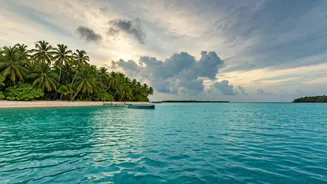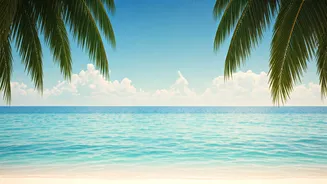


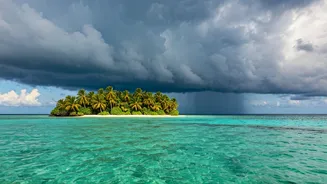
The Dream: What is Lakshadweep?
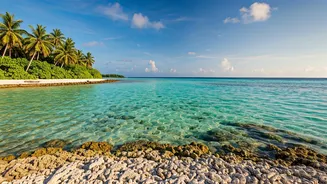
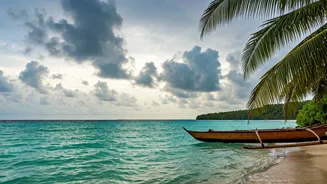
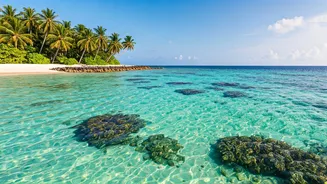
First, let’s locate this dream destination on a map. Lakshadweep is India's smallest union territory, an archipelago of coral atolls floating in the Laccadive Sea, about 250 miles off the southwestern coast of India. Think of it as India’s answer to the Maldives
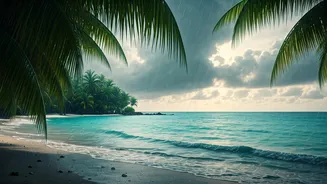
or Seychelles, but far more rustic and protected. For decades, it has been a quiet haven for scuba divers and those seeking genuine seclusion, largely shielded from mass tourism by its isolation and a strict government permit system designed to protect its fragile ecosystem and unique indigenous culture. With vibrant coral reefs, clear waters, and a laid-back island vibe, it represents a fantasy of unspoiled tropical beauty—a place you see on a postcard and wonder if it’s real.
The Spark: A Visit and a Viral Spat
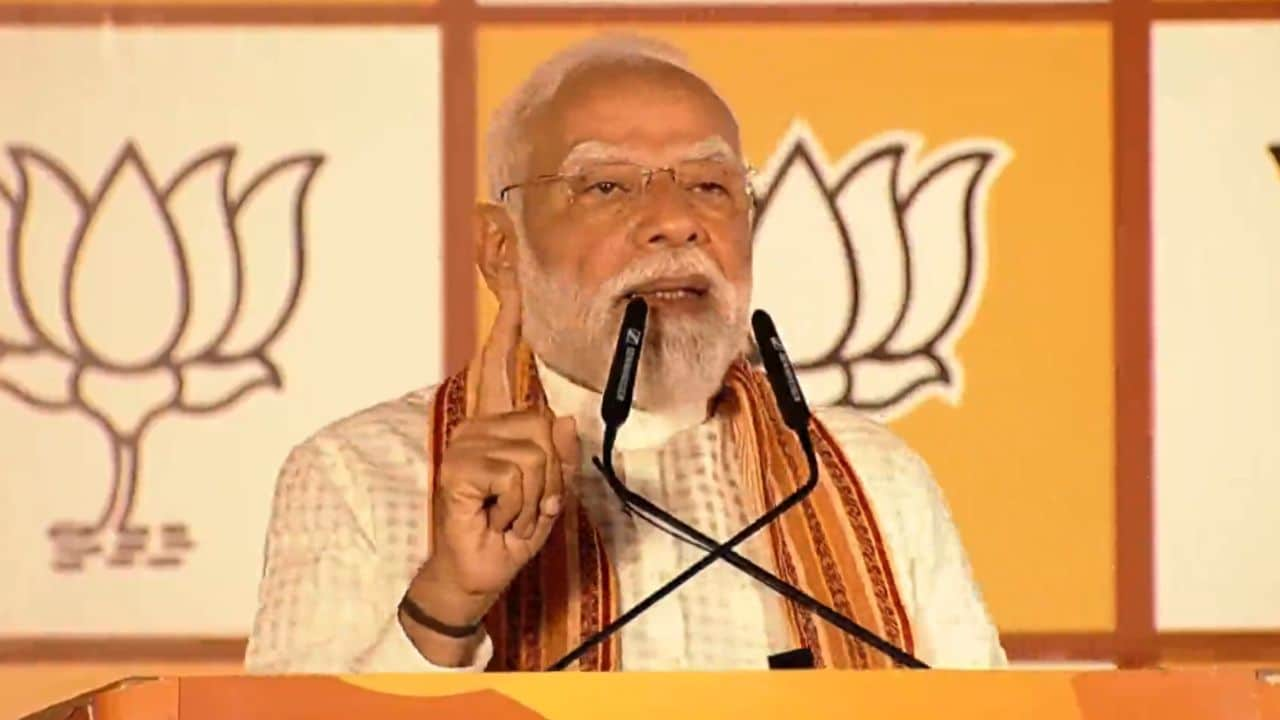
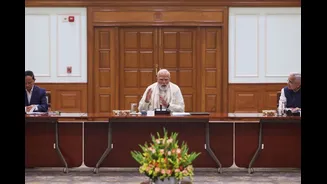
The dream became a national mission in early 2024. The catalyst was a visit by Indian Prime Minister Narendra Modi, who posted stunning photos of himself snorkeling and relaxing on Lakshadweep’s beaches. His posts, aimed at promoting domestic tourism, were simple enough: “For those who wish to embrace the adventurer in them, Lakshadweep has to be on your list.” But this was interpreted by some in the neighboring Maldives—a luxury tourism giant heavily reliant on Indian visitors—as a direct challenge. Three junior Maldivian officials made derogatory and racist remarks about Modi and India on social media. The backlash was immediate and explosive. A diplomatic firestorm erupted between the two nations, which were already on tense terms due to the Maldives' recent pro-China political shift.
The Online Storm: #BoycottMaldives
This is where the story turns into a fascinating case of digital nationalism. Outraged by the insults, Indian citizens, celebrities, and travel agencies launched a massive online campaign with the hashtag #BoycottMaldives. Flights were canceled, and vacation plans were scrapped in an act of collective consumer protest. Simultaneously, a counter-movement, #ChaloLakshadweep (Let’s Go to Lakshadweep), went viral. The islands were suddenly positioned as a patriotic travel choice, a way for Indians to invest their tourist dollars at home and support their nation. Search interest for Lakshadweep skyrocketed by over 3,000%. The obscure archipelago was now, for millions, the ultimate dream destination—a symbol of national pride.
The Reality: A Monsoon and a Wake-Up Call
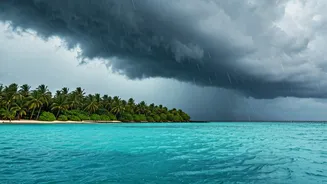
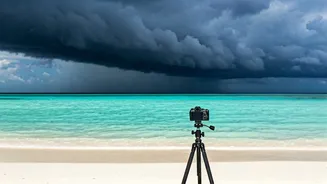
Here comes the storm watch. The sudden tidal wave of interest is crashing against some hard realities. First, there’s the literal storm: the monsoon season, which runs from roughly May to October, makes travel to the islands difficult, if not impossible. Many resorts close, and boat services are suspended. But the bigger storm is logistical. Lakshadweep has only a handful of hotels, a single commercial airport with limited capacity, and minimal infrastructure. The permit system, designed for environmental protection, remains a significant hurdle. Can this delicate ecosystem handle a tourism boom? Experts warn that unchecked development could destroy the very paradise everyone is suddenly dreaming of. The islands simply aren't ready for the influx that the online hype machine has created.