



The New Post-Pandemic Splurge
In the world of post-pandemic travel, authenticity has become the ultimate luxury. After years of postponed plans and limited horizons, American travelers are no longer content with simply seeing the sights; they want to feel them. This shift is dramatically
reshaping travel patterns, and nowhere is it more evident than in Jaipur, India’s famed “Pink City.” Travel operators and property managers are reporting a significant spike in demand for a very specific type of accommodation: the heritage villa. These aren't just places to sleep. They are sprawling, historic properties that offer a private, immersive alternative to traditional hotels, and they are being booked at a record pace for the upcoming fall festive season. This trend signals a deeper change in traveler priorities, favoring unique, story-rich experiences over standardized comfort.
What Exactly Is a Heritage Haveli?
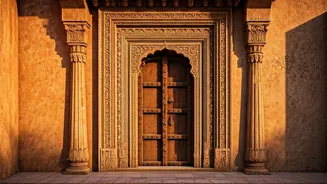
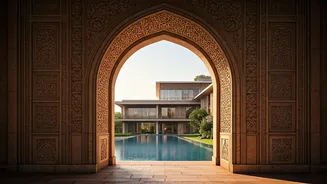
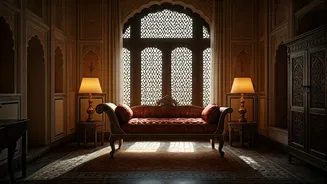
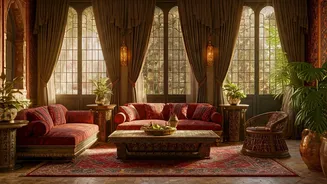
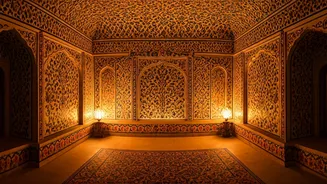
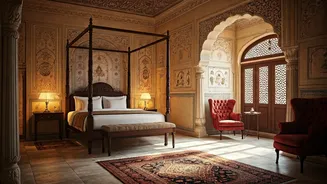
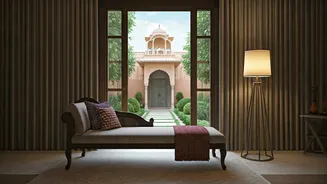
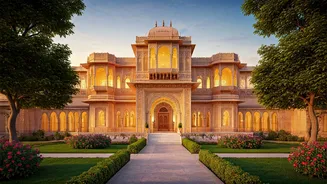
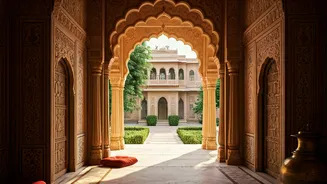
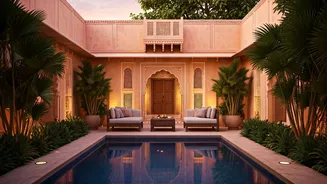
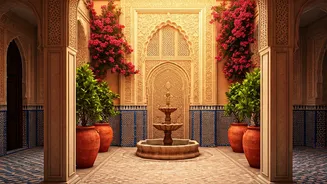
For the uninitiated, the term “heritage villa” in India often refers to a “haveli.” These are not modern builds but grand, historic townhouses or mansions, once the homes of noble families or wealthy merchants. To stay in one is to step inside a living museum. Think intricate archways, hand-painted frescoes on the walls, shaded courtyards with trickling fountains, and rooms filled with antique furniture and local textiles. Unlike a conventional hotel, a haveli offers a distinct sense of place. Many are still family-owned, providing guests with an unparalleled connection to local culture and hospitality. Staying in a haveli in Jaipur means you're not just visiting the Pink City; you are, for a short while, part of its aristocratic past and its vibrant present.
A Collision of Color and Celebration
The surge in bookings is strategically timed. India's post-monsoon festive season, running from October through November, is one of the most magical times to visit. The period is anchored by Diwali, the spectacular Hindu festival of lights. During this time, Jaipur transforms. Entire cities are draped in twinkling lights and marigold garlands. The air is filled with the scent of incense and the sound of fireworks. Markets overflow with sweets and handcrafted goods. For a traveler, being in Jaipur for Diwali is a sensory overload in the best possible way. Staying in a heritage villa provides a serene, private sanctuary from which to dip in and out of the joyous chaos, often with hosts who can guide you through the cultural significance of the rituals and celebrations.
Beyond the Instagram Backdrop
While the stunning architecture of a haveli is undeniably photogenic, the appeal runs much deeper than a good Instagram post. This trend is driven by a desire for privacy, space, and meaning. Instead of crowded hotel lobbies and breakfast buffets, guests get private gardens, rooftop terraces with views of historic forts, and home-cooked Rajasthani meals. It's a form of “slow travel” that allows for genuine connection. Families or groups of friends can book an entire property, creating a secluded home base for exploring the city's wonders, from the Hawa Mahal to the Amber Fort. It represents a move away from checklist tourism and toward a more contemplative, personal style of journeying, where the accommodation itself is a core part of the destination's story.