



The Backlash to the Perfect Postcard
For years, the goal of travel was to capture a perfect, sun-drenched postcard. Think turquoise water, cloudless skies, and a flawless tan, all meticulously documented for social media. But the relentless pressure to perform happiness and project a flawless highlight
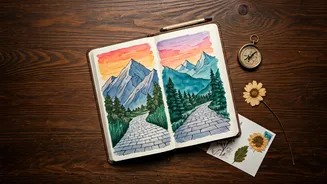
reel has led to a quiet burnout. The logistics of chasing that perfect shot—waking up at dawn to avoid crowds, wrestling with selfie sticks, and feeling disappointed when reality doesn't match the filtered fantasy—has become a job in itself. Rain is the ultimate antidote to this pressure. It grants you permission to abandon the checklist of outdoor photo-ops. You can’t be expected to hike to the scenic overlook or stage a perfect beach picnic in a downpour. Instead, a rainy day forces a pivot to a slower, more introspective experience. It’s a rebellion against the tyranny of the perfect vacation, offering a retreat not just from work, but from the work of curating an enviable life online. The new premium isn't a flawless photo; it's the freedom to not have to take one.
Embracing the Cozy Culture
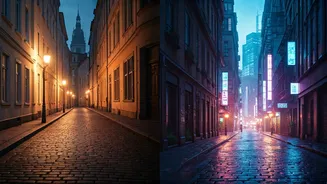
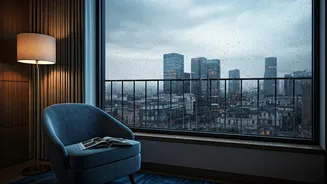
The appeal of rainy travel runs parallel to the rise of “cozy culture.” We’ve spent the better part of a decade celebrating hygge, the Danish concept of cozy contentment, and filling our homes with scented candles, soft blankets, and comforting playlists. We've learned to romanticize the indoors. Now, that same ethos is being applied to our travel plans. A rainy day in a new city is an invitation to lean into this sensibility. It’s the perfect excuse to spend three hours in a historic café with a book and a pastry, to duck into a small, overlooked museum, or to simply watch the world go by from a covered bistro patio. This kind of travel prioritizes atmosphere over activity. The goal is no longer to “do” a city, but to “be” in it. The sound of rain on a cobblestone street or an old windowpane becomes the trip's soundtrack, transforming a simple moment of rest into a core memory.
The Luxury of Emptiness
In an era of overtourism, the greatest luxury isn't a five-star hotel—it's space. The world's most beautiful destinations are often choked with crowds, turning a walk through Rome's Forum or a visit to a popular national park into a stressful shuffle. A bout of bad weather is nature’s crowd control. The fair-weather tourists retreat, and suddenly, the city is yours. Walking through a misty, rain-slicked Times Square or a quiet, drizzly Louvre courtyard offers a far more intimate and personal connection to a place. The usual frenetic energy dissipates, replaced by a calm, reflective mood. You get to see the bones of a location, to appreciate its architecture and ambiance without the distracting human static. This feeling of having a world-famous locale almost to yourself is a rare and genuinely premium experience, one that a sunny day in peak season can rarely offer.
A New, Moody Aesthetic
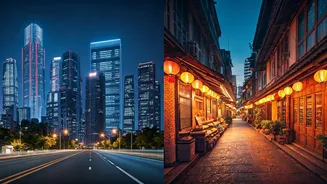
Finally, there's the simple fact that rain is beautiful. Not in the bright, cheerful way of a sunny day, but in a deeper, more cinematic way. The aesthetic has shifted. We're now drawn to the “moody” edit: the dramatic, cloud-filled skies over the Scottish Highlands, the neon lights of Tokyo reflecting off wet pavement, the soft grey light of a Parisian morning. This aesthetic feels more authentic and emotionally resonant than the blindingly bright, over-saturated look that once dominated travel photography. This isn't about seeking out misery; it's about appreciating a different color palette. It’s the beauty of imperfection. A windswept photo with messy hair and a dramatic sky often tells a better story than a posed, smiling shot. The rise of this moody visual language on platforms like Instagram and TikTok shows a collective appreciation for experiences that feel real, textured, and a little bit wild—qualities that a sudden rainstorm delivers in spades.