
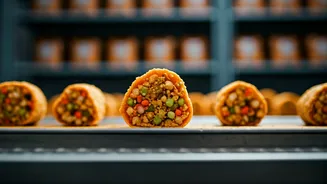
First, What Is Chaat?
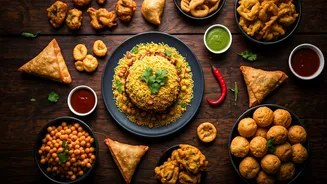
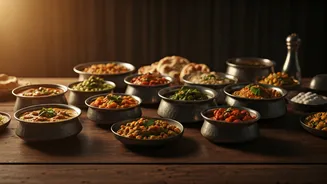
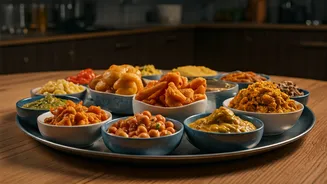
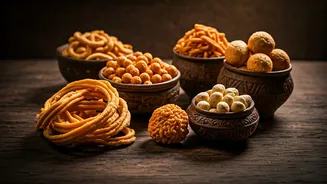
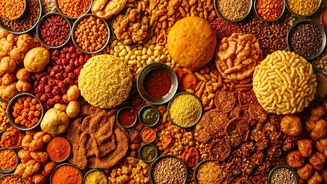
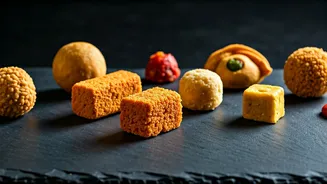
Before it was a chip flavor, chaat was—and is—a universe of Indian street food. The word itself means “to lick,” and the dishes live up to the name. Chaat is less a specific recipe and more a culinary concept, a vibrant explosion of textures and tastes.
Think of crispy fried dough (papdi), potato-filled samosas, or lentil fritters (bhalla), all drenched in a symphony of sauces: sweet-and-sour tamarind chutney, fiery mint-coriander chutney, and cooling yogurt. The final flourish is a generous sprinkle of 'chaat masala,' a magical, pungent spice blend typically containing amchur (dried mango powder), cumin, coriander, and black salt. To eat chaat is to experience a full-frontal assault on the senses. It’s the crunch of the base, the coolness of the yogurt, the sharp tang of tamarind, and the slow-building heat of chili. It’s not just a snack; it’s an event. For decades, this experience was primarily found at street carts in Mumbai, food stalls in Delhi, or in the kitchens of South Asian families in the U.S.
The Flavor Bomb Goes Mainstream
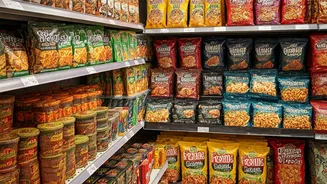
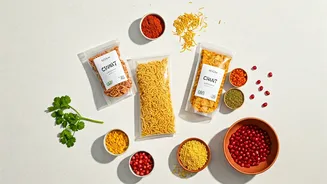
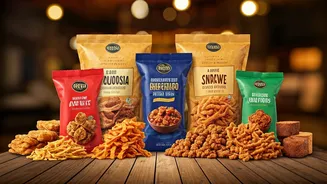
That hyper-specific, multi-layered experience is now being deconstructed and bottled, bagged, and sold to the American consumer. The complex notes of chaat are proving to be remarkably adaptable. You can find them in the 'Spicy Dill Pickle' flavored potato chips from the brand Masala chips, which evoke the tang of chaat. You'll see it in the rise of tamarind-flavored everything, from sauces at Trader Joe's to hard seltzers from small-batch brewers. Major brands are taking notice, too. While some are still testing the waters with 'Spicy Sweet Chili' or 'Mango Habanero,' a new generation of brands, often founded by members of the South Asian diaspora, are unapologetically centering chaat. Companies like Brooklyn Delhi offer tangy, complex simmer sauces and condiments. Snack brands are launching puffed water lily seeds (makhana) dusted with spices that mimic the chaat experience. This isn't just about adding a dash of cumin; it's about capturing the authentic, addictive essence of chaat’s organized chaos.
Why Now? The Drivers of the Trend
Several forces are converging to make this the perfect moment for chaat's crossover. First, the demographic shift. The South Asian diaspora in the U.S. is a growing, influential consumer base hungry for authentic flavors that remind them of home. Entrepreneurs from these communities are now in a position to create the products they always wished they had. Second, the American palate has evolved. Decades of exposure to Sriracha, gochujang, and regional Mexican hot sauces have primed consumers for more than just simple salt and vinegar. Shoppers are actively seeking out bold, 'swicy' (sweet and spicy), and complex flavor profiles. Chaat, with its masterful blend of tangy, spicy, sweet, and savory, is the ultimate answer to that craving. It delivers a level of nuance that makes standard-issue sour cream and onion feel one-dimensional. Finally, there's the power of social media. A photogenic plate of pani puri or a vibrant bowl of bhel puri is catnip for Instagram and TikTok, creating visual curiosity that translates into real-world culinary exploration. This digital exposure demystifies the food and builds demand before a product even hits the shelf.
From Niche to 'New Currency'
This brings us to the idea of chaat as 'currency.' For a new food brand, launching a chaat-flavored product is a strategic move. It signals authenticity and cultural fluency. It differentiates a product in a saturated market, catching the eye of adventurous foodies and diaspora consumers simultaneously. For established giants, incorporating these flavors is a way to prove they are keeping up with the times, using this new flavor currency to buy relevance with a younger, more diverse audience. In essence, a sprinkle of chaat masala on a potato chip is no longer just a flavor; it’s a statement. It says, 'We understand complex, global tastes. We see you.' This is a far cry from the Anglicized 'curry powder' flavors of the past. Today’s trend is about celebrating the specificity of regional Indian cuisine, and chaat is leading the charge.