




Monitor Hyper-Local Weather
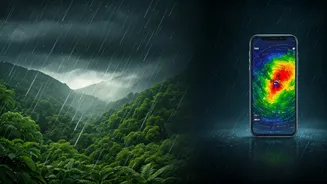
Forget checking the forecast once before you pack. During monsoon season, conditions can change from sunny to torrential downpour in minutes. The key is to use hyper-local weather apps (like Dark Sky or AccuWeather's MinuteCast) that provide real-time
precipitation warnings for your exact location. This is especially critical in regions like the American Southwest, where flash floods are a serious risk in canyons and low-lying areas, or in mountainous parts of Asia where landslides can block roads without warning. Make a habit of checking the forecast every morning before heading out and again before any significant travel between locations. Don't rely on general city-wide forecasts; you need block-by-block information.
Build a Flexible Itinerary
Rigid, tightly scheduled plans are the enemy of monsoon travel. This June, build flexibility directly into your itinerary. Instead of booking non-refundable tours or transport for every single day, leave buffer days. A landslide could close a mountain pass for 24 hours, or a ferry service might be suspended due to rough seas. Having an extra day in a location means a delay is a minor inconvenience, not a trip-ruining disaster. Research alternate routes and backup activities for each stop. For example, if your plan to hike is rained out, what’s a great local museum, cooking class, or covered market you can visit instead? This mindset shift from a fixed schedule to a set of possibilities is crucial.
Pack for Dampness and Delays
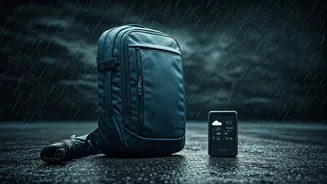
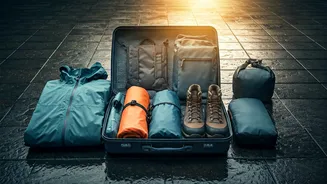
Your packing list needs to be about more than just a good raincoat. The primary challenge is pervasive dampness. Pack quick-drying synthetic clothing over cotton, which takes forever to dry in high humidity and can start to mildew. Bring more pairs of socks and underwear than you think you’ll need. A waterproof or highly water-resistant backpack is non-negotiable, and supplement it with dry sacks or even heavy-duty ziplock bags for your electronics, passport, and medications. A portable power bank is also a wise addition, as power outages can be more frequent during heavy storms. Finally, a small, absorbent travel towel will be invaluable for everything from drying off after a sudden downpour to wiping down a wet seat.
Verify Road and Trail Conditions
Just because a road or trail is open today doesn't mean it will be tomorrow. Before embarking on any scenic drive or hike, get the most current information possible. For National Parks and popular hiking areas in the U.S., the park’s official website or Twitter feed is the best source for closures. In countries like India or Nepal, local guesthouses, tour operators, and drivers are your best resource. Ask specifically about the route you plan to take. They will have the most up-to-date, on-the-ground knowledge of washouts, landslides, or dangerous river crossings. Do not rely solely on Google Maps, as its data on remote or weather-affected roads can be dangerously out of date.
Invest in the Right Insurance
Travel insurance is always a good idea, but for a monsoon trip, it's essential. However, you must read the fine print. Not all policies cover disruptions caused by weather. Look for a comprehensive policy that explicitly includes coverage for “trip interruption” and “trip cancellation” due to severe weather events. This ensures you can recoup costs if your flight is canceled, a hotel becomes inaccessible, or you have to cut your trip short. Also, confirm that your chosen plan includes emergency medical evacuation, which is particularly important if you’re traveling in remote areas where a landslide or flood could cut you off from standard medical facilities.
Protect Yourself from Water and Bugs
Standing water and high humidity create a perfect breeding ground for mosquitoes and can contaminate water sources. The risk of mosquito-borne illnesses like dengue fever often increases during the monsoon. Pack and use an effective insect repellent containing DEET or Picaridin. For water, even in developed areas, it’s safest to avoid tap water and stick to bottled, boiled, or filtered water. Be wary of street food that may have been washed with contaminated water or exposed to flies. Prioritizing this aspect of your health can prevent an unpleasant illness from derailing your entire adventure.