






The Indoor Garden Revolution
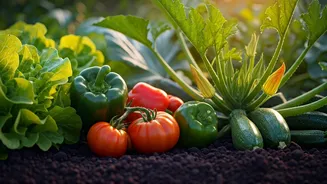
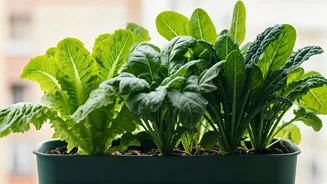
Why is the idea of an indoor vegetable patch so appealing? It’s about more than just convenience. For families, it’s a powerful way to connect with their food source. Growing produce indoors gives you complete control, allowing you to cultivate fully
organic crops without worrying about pesticides, soil contaminants, or neighborhood pests. It also provides a year-round growing season, meaning fresh tomatoes for your salads in January are a delicious reality. Beyond the plate, it’s an engaging, hands-on science lesson for kids, teaching them about plant life cycles and the satisfaction of nurturing something from seed to harvest.
Picking Your Growing Method
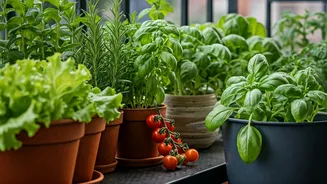
The first step is deciding how you’ll grow. The traditional method involves a simple pot, high-quality potting mix, and a drainage tray. This is budget-friendly and familiar, but it requires a dedicated, powerful grow light to succeed indoors. A sunny windowsill, even a south-facing one, simply won't provide the intense, direct light tomatoes crave. For a more modern, all-in-one solution, consider a hydroponic or aeroponic system. Brands like AeroGarden have popularized countertop units that automatically manage light, water, and nutrients. While they represent a larger upfront investment, these systems are designed for optimal indoor growth, often yielding faster, more reliable results with less guesswork.
Choose the Right Tomato Variety
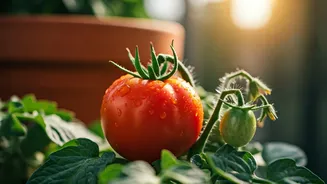
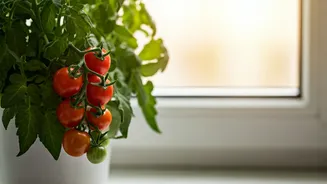
You can’t just plant any old tomato seed and expect it to thrive in your living room. The key is selecting a “determinate” or “dwarf” variety. Unlike “indeterminate” types that vine endlessly and can grow over six feet tall, these compact bush-style plants are bred for small spaces. They grow to a fixed, manageable size, produce their fruit in a concentrated period, and are perfectly happy in a container. Look for varieties specifically labeled for patio or container growing, such as ‘Tiny Tim,’ ‘Red Robin,’ or ‘Micro Tom.’ These micro-dwarf tomatoes produce surprisingly flavorful cherry-sized fruits on plants that can be as small as 8-12 inches tall.
Light, Nutrients, and Water
Tomatoes are sun worshippers, and replicating that indoors is non-negotiable. You’ll need a full-spectrum LED grow light positioned just a few inches above the plant. Plan on running it for 14-16 hours a day to mimic long summer days. Next, feeding. Tomatoes are heavy feeders. If you're growing in soil, you'll need to supplement with a balanced liquid fertilizer formulated for vegetables, especially once the plant starts to flower. Hydroponic systems simplify this by using pre-formulated nutrient solutions. Finally, water consistently. Let the top inch of soil dry out before watering thoroughly, but never let the plant wilt or sit in a soggy tray, as this invites root rot.
The Final Step: Pollination
Outdoors, wind and bees take care of pollinating tomato blossoms. Indoors, that job falls to you. Without pollination, those little yellow flowers will simply fall off, and no fruit will form. Thankfully, it's easy. Tomato flowers are self-pollinating, meaning they have both male and female parts. All they need is a little vibration to release the pollen. Once a day, after the flowers have opened, you can gently shake the main stem of the plant for a few seconds. Alternatively, you can touch the back of an electric toothbrush to the stem or use a small fan to create a gentle breeze. This simple action is the key that unlocks a fruitful harvest.