


1. The Filipino Power of Ube
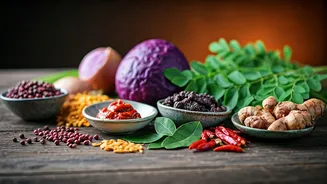
If you’ve seen a shockingly purple dessert on your social media feed lately, you’ve likely met ube. This Filipino purple yam is a longtime staple in the Philippines, cherished for its subtly sweet, nutty flavor and, of course, its jaw-dropping color.
Beyond its good looks, ube is a complex carbohydrate packed with antioxidants, particularly the anthocyanins that give it its violet hue. Traditionally mashed and sweetened into a jam called ube halaya, it’s now starring in a new role. Wellness cafes are blending it into vibrant lattes, nutrient-dense smoothies, and even gluten-free pancakes, offering a dose of heritage and visual excitement that a plain vanilla protein shake simply can’t match.
2. Turmeric's Golden Moment Continues
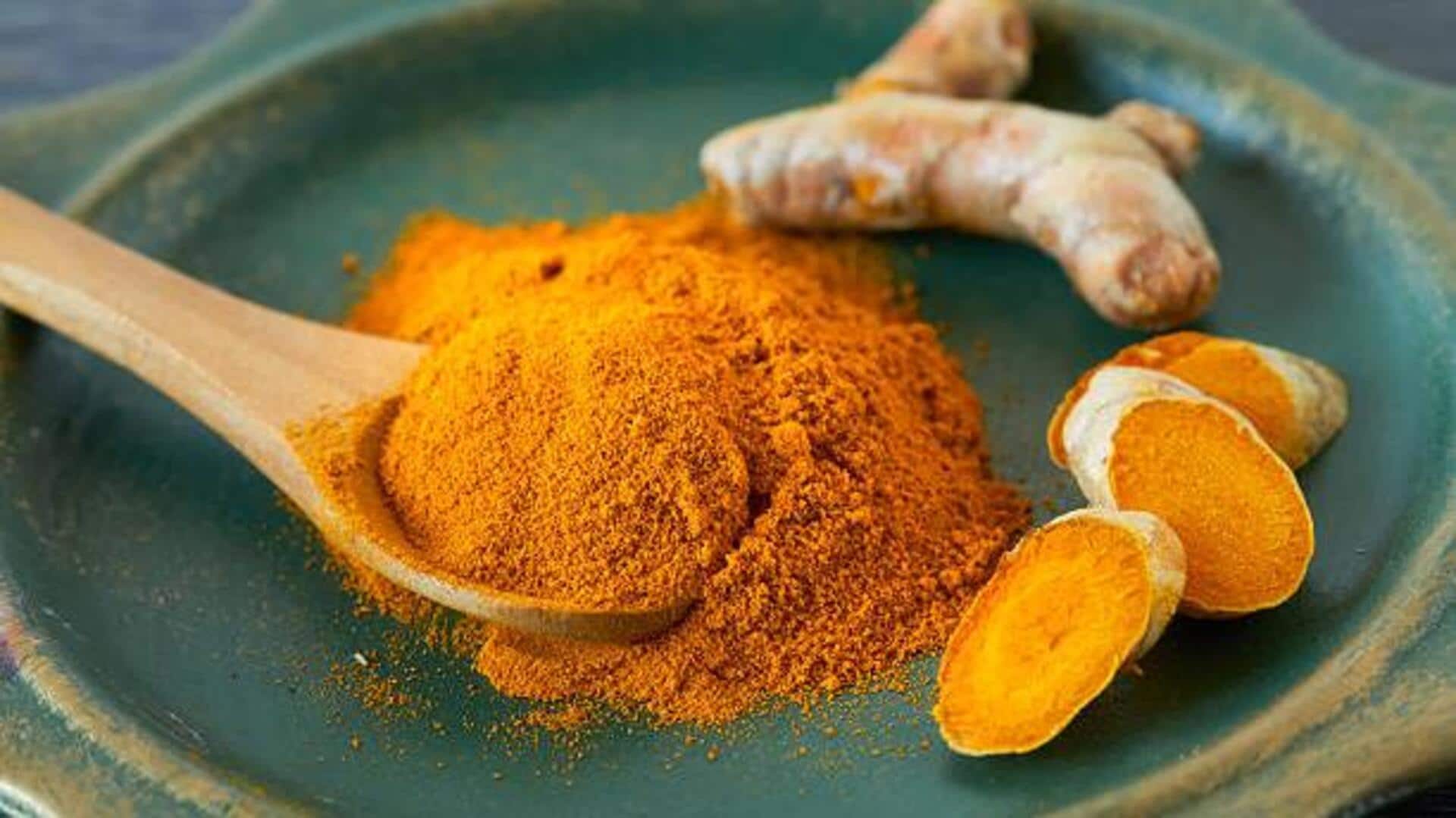
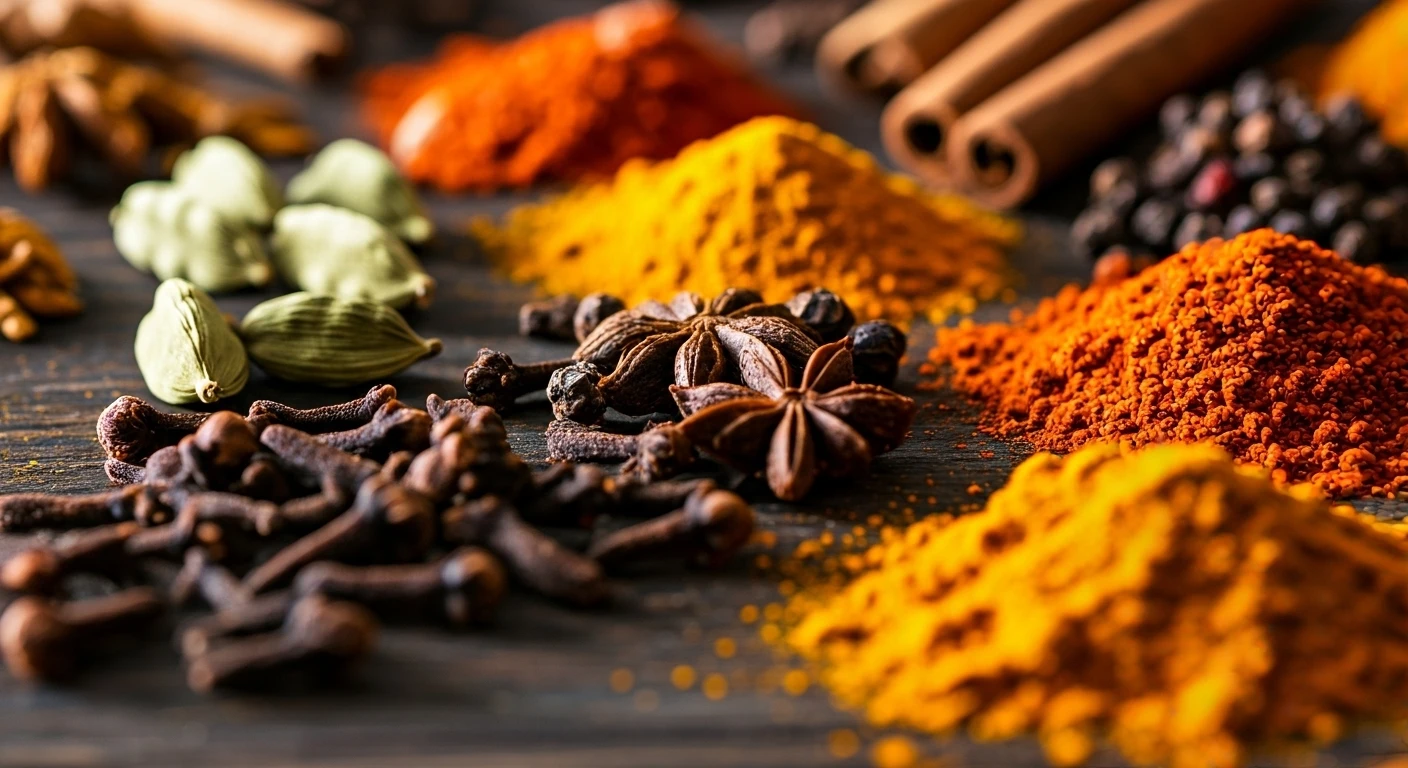
Turmeric is hardly a newcomer, but its application is finally moving beyond the curry pot and into the daily wellness routine. For centuries, this golden root has been a cornerstone of South Asian cuisine and Ayurvedic medicine, prized for its anti-inflammatory compound, curcumin. While you could just sprinkle it into a dish, the modern wellness boom has given us the 'golden milk' latte. This comforting, caffeine-free drink typically combines turmeric with ginger, black pepper (which helps the body absorb curcumin), and creamy plant-based milk. It’s a soothing ritual that tastes both ancient and modern, delivering a warm, earthy flavor that feels genuinely restorative, not punitive.
3. The Fermented Funk of Gochujang
Think 'health food' has to be bland? Meet gochujang. This fermented Korean chili paste is a powerhouse of complex flavor: spicy, savory, slightly sweet, and packed with umami. Made from red chili powder, glutinous rice, fermented soybeans, and salt, it’s a living food, rich in probiotics that support gut health. For years, it’s been the backbone of dishes like bibimbap and tteokbokki. Now, health-conscious home cooks and chefs are using it to add a fiery, fermented kick to everything from roasted vegetables and grain bowls to marinades for tofu and chicken. It’s proof that pro-health foods can—and should—be unapologetically bold.
4. Prickly Pear, the Desert's Hydrating Gem
Hailing from the arid landscapes of the American Southwest and Mexico, the prickly pear is the brilliantly magenta fruit of the nopal cactus. Its flavor is a delightful cross between watermelon and bubblegum, and it’s traditionally been used to make candies, jellies, and refreshing aguas frescas. But its wellness bona fides are what’s driving its recent popularity. The fruit is loaded with antioxidants, electrolytes, and taurine, an amino acid that can help with muscle function and hydration. You’ll now find prickly pear juice and powder showing up in sports drinks, kombuchas, and cocktails as a natural, vibrant alternative to artificial colors and sweeteners.
5. Tahini Beyond the Hummus
For most Americans, tahini—a smooth paste made from ground sesame seeds—is simply that thing you need to make good hummus. But in Middle Eastern, Mediterranean, and North African cuisines, it's a foundational ingredient used in everything. Now, the rest of the wellness world is catching on. Tahini is an excellent source of healthy fats, calcium, and plant-based protein. Its creamy texture and nutty, slightly bitter taste make it incredibly versatile. It’s being drizzled over roasted sweet potatoes, whisked into salad dressings to replace dairy-based options, and even swirled into brownies and cookies for a savory depth of flavor. It’s a simple swap that adds richness and a dose of nutrients.
6. The Green Goodness of Moringa
Often called the 'miracle tree,' moringa is a fast-growing, drought-resistant tree native to parts of Africa and South Asia. Its leaves are exceptionally nutrient-dense, containing significant amounts of vitamins A and C, calcium, potassium, and protein. In its powdered form, moringa has a deep green color and an earthy, spinach-like taste. While it’s been used for generations in traditional medicine and cooking, it’s now a go-to for wellness enthusiasts looking to supercharge their green smoothies and juices. Unlike kale, which can be bitter, moringa offers a different kind of green intensity, connecting a modern health habit to a plant with deep, global roots.