



So, What Exactly Is Chaas?
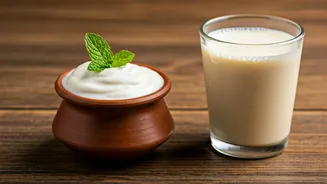
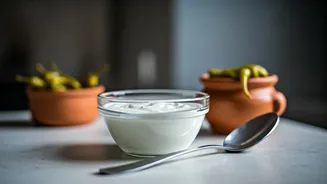
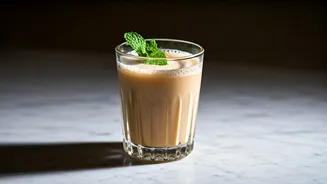
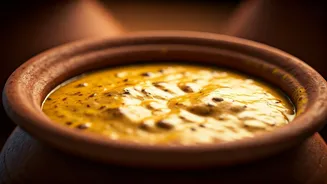
Before you picture another thick, sugary yogurt smoothie, let’s set the record straight. Chaas is the exact opposite. Known as buttermilk in many parts of India, it’s a light, liquidy, and distinctly savory beverage. At its core, it’s made by whisking
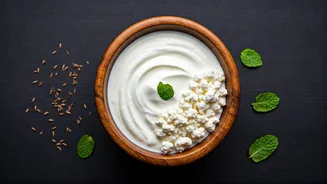
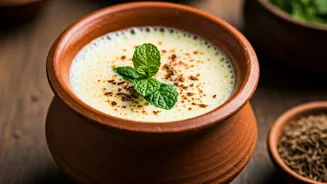
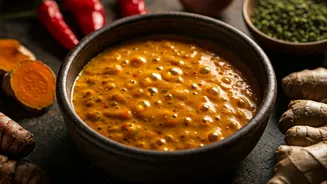
plain yogurt with water until it reaches a consistency similar to milk. But the magic is in the seasoning. Instead of fruit and sugar, chaas is typically flavored with salt, roasted cumin powder, and sometimes fresh ginger, cilantro, or mint. The result is a uniquely tangy, earthy, and incredibly refreshing drink that has been a staple in Indian households for centuries, traditionally consumed after a meal to aid digestion or during hot weather to cool the body down. Think of it less as a dessert and more as a functional, flavorful hydrator.
The Gut Health Connection
The phrase “cool again” points to its resurgence within the modern American wellness scene, and the reason is simple: gut health. The wellness world is obsessed with the microbiome, and for good reason. A healthy gut is linked to everything from better digestion and immunity to improved mood. The primary source of the buzz around chaas is its yogurt base. As a fermented dairy product, the yogurt in chaas is a natural source of probiotics—the “good” bacteria that help maintain a balanced gut environment. While the exact probiotic strains and counts can vary depending on the starter culture of the yogurt used, the fundamental principle is sound. Unlike many heat-treated commercial dairy products, traditionally prepared chaas preserves these live and active cultures. It delivers those beneficial microbes directly to your digestive system in a form that’s both delicious and easy to consume, offering a time-tested alternative to commercial probiotic pills or a daily kombucha habit.
More Than Just Probiotics
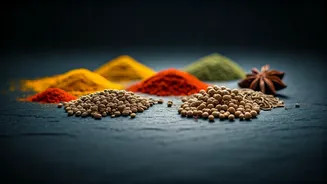
But the benefits aren't just about the probiotics. The spices traditionally used in chaas play a significant role, too. Cumin, a staple in many chaas recipes, is widely recognized in traditional medicine for its carminative properties, meaning it may help relieve gas and bloating. Ginger, another common addition, is well-known for its anti-inflammatory and digestive-soothing effects. Even the salt serves a purpose beyond flavor, helping to replenish electrolytes lost through sweat on a hot day. This combination of hydrating liquid, probiotics, and digestive-friendly spices makes chaas a holistic beverage. It works on multiple fronts, which is why it has endured for generations as a go-to remedy for an unsettled stomach or post-meal sluggishness. It’s a perfect example of food as functional, everyday medicine.
How to Find and Enjoy Chaas
Ready to try it? Your best bet for an authentic taste is your local Indian restaurant, where it’s often listed on the menu alongside lassi (its sweeter, thicker cousin). You can also find pre-packaged chaas in the refrigerated section of most Indian or South Asian grocery stores. But the beauty of chaas is its simplicity, making it incredibly easy to whip up at home. To make a basic version, just whisk one part plain whole-milk yogurt with two or three parts cold water. Add a pinch of black salt (kala namak, for a classic sulfuric tang) or regular salt, and a generous pinch of roasted cumin powder. Blend or whisk until smooth, and serve chilled. From there, you can experiment by adding finely chopped cilantro, mint, or a small sliver of grated ginger. It’s a versatile canvas for savory flavors and a simple, satisfying way to join the gut-health trend.