



Rajasthan's Only Hill Station
When Americans picture Rajasthan, they often imagine the golden dunes of Jaisalmer or the sun-baked forts of Jaipur. It’s a land of majestic, arid beauty. But nestled in the Aravalli Range is an anomaly: Mount Abu, the state’s one and only hill station.
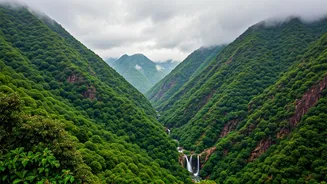
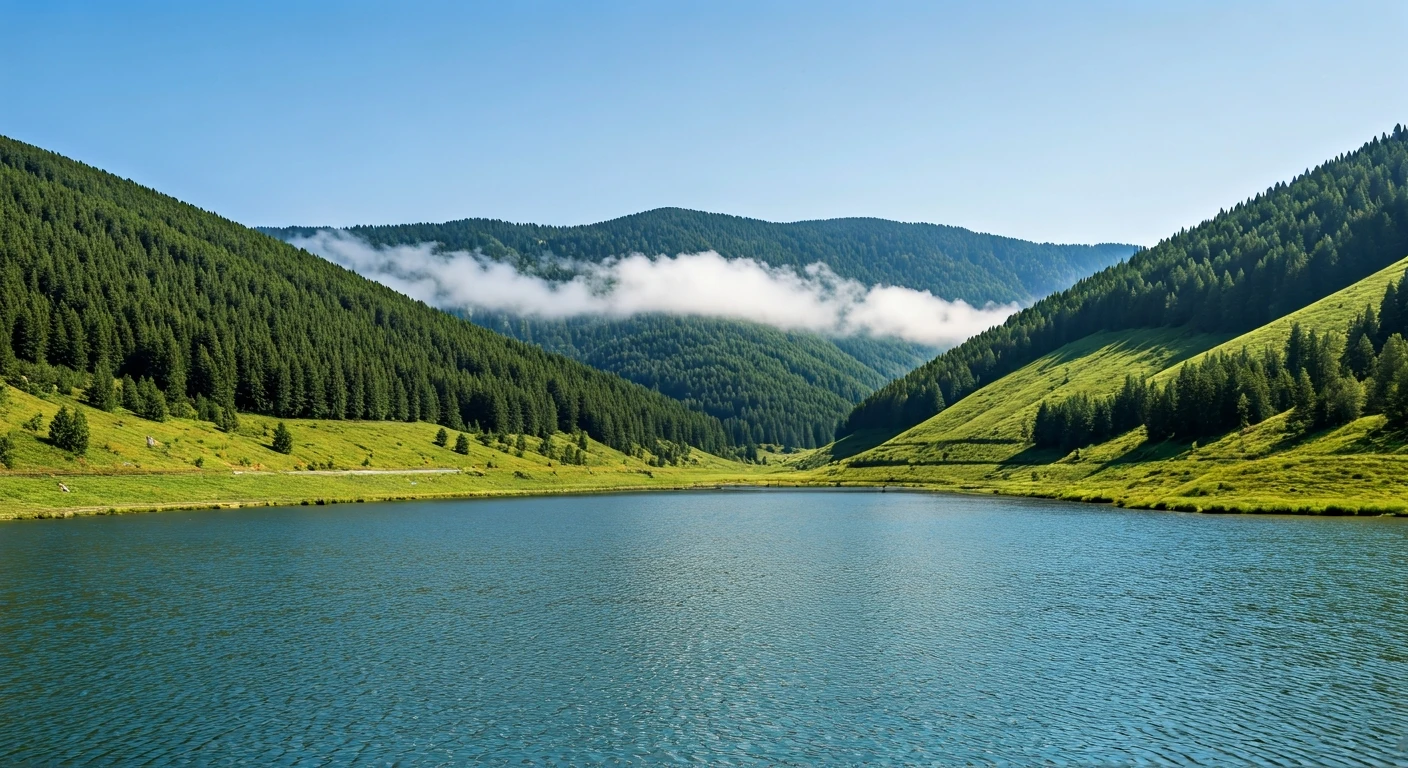
At an elevation of about 4,000 feet, it exists in a different climatic reality from the scorched plains below. While cities like Jodhpur can swelter in temperatures exceeding 105°F (40°C) in June, Mount Abu enjoys pleasant daytime highs in the low 80s (around 28°C). The landscape here isn't sand and scrub; it’s a lush tapestry of coniferous trees, flowering shrubs, and serene lakes. This dramatic shift makes it a legendary summer retreat for locals and an incredible find for international travelers looking to experience a different side of India’s most colorful state.
Sacred Temples and Serene Waters
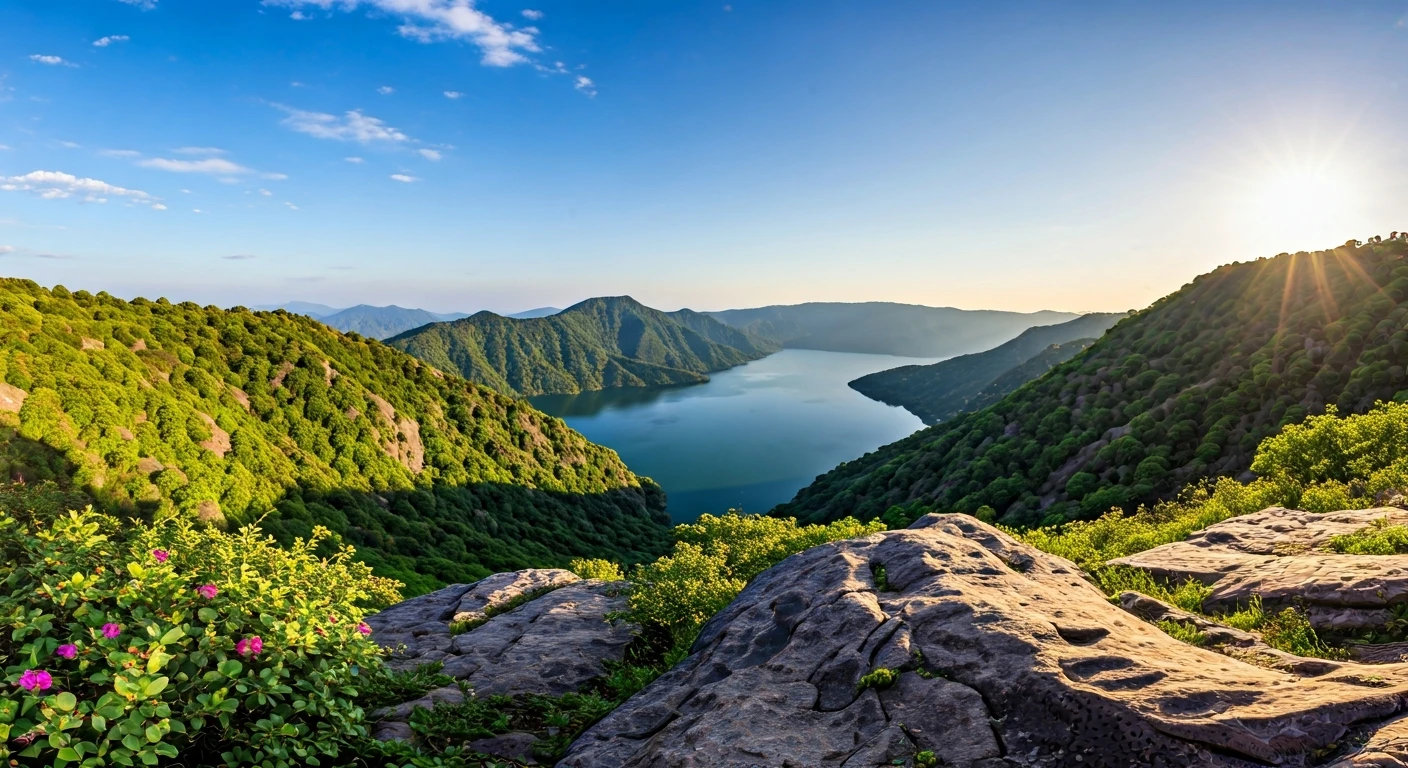
The heart of Mount Abu, both geographically and culturally, is Nakki Lake. Legend has it the gods carved it with their fingernails ('nakh' means nail). Today, it’s a picturesque spot where you can rent a paddleboat and glide across the calm water, surrounded by hills and the charming chaos of the small town. But the true masterpiece of Mount Abu is hidden in the hills just outside town: the Dilwara Temples. Built between the 11th and 13th centuries, this complex of five Jain temples is an architectural marvel. From the outside, they appear unassuming. Inside, however, every inch of the white marble ceilings, pillars, and doorways is covered in carvings of such intricate detail and delicate translucence that they defy belief. The artistry is so fine that some areas of the marble appear almost transparent. It's a place of profound peace and staggering craftsmanship that easily rivals more famous Indian landmarks.
Views, Sunsets, and Nature Trails
Beyond the lake and temples, Mount Abu is a destination for those who love a good view. For the best panorama, head to Guru Shikhar, the highest point in the Aravalli Range. A short drive and a few hundred steps will lead you to a small temple and an unparalleled 360-degree view of the surrounding landscape, where the green of the mountain gives way to the hazy plains in the distance. As the day ends, locals and tourists alike flock to Sunset Point. Here, you can watch the sun dip below the horizon, painting the sky in fiery colors over the rugged hills. For more active travelers, the Mount Abu Wildlife Sanctuary offers numerous trails for hiking and bird-watching. The area is home to a surprising diversity of fauna, including sloth bears, sambar deer, and over 250 species of birds, making it a refreshing break from city sightseeing.
Planning Your Cool Escape
For most American travelers, getting to Mount Abu is a multi-step journey that’s well worth the effort. The most convenient route is to fly into the Maharana Pratap Airport in Udaipur (UDR), which is roughly a three-hour drive away. Another option is Sardar Vallabhbhai Patel International Airport in Ahmedabad (AMD), about a four-to-five-hour drive. From either airport, you can hire a private car with a driver—a common and relatively affordable way to travel in India—for the scenic journey up the mountain. Accommodations in Mount Abu range from heritage hotels that were once the summer palaces of Rajput royalty to modern resorts and budget-friendly guesthouses. It’s wise to book in advance, especially for a June visit, as it’s a popular time for domestic tourism. Once you're there, the town is small enough to explore on foot, with taxis and auto-rickshaws available for trips to outlying attractions.