









The Real Secret Sauce: Frugal Innovation
For decades, the global space race was defined by two things: superpower rivalry and astronomical costs. India is changing the second part of that equation. The country's space program, led by the Indian Space Research Organisation (ISRO), has mastered
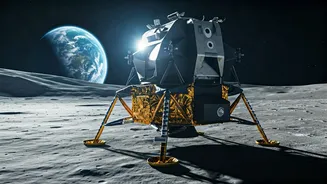
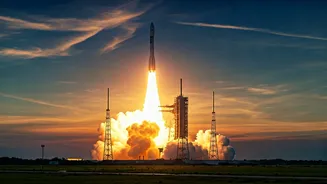
what it calls “frugal engineering.” This isn’t about cutting corners; it’s a philosophy of building reliable, effective technology on a shoestring budget. The successful 2023 Chandrayaan-3 moon mission cost an estimated $75 million. For perspective, that’s less than the production budget for Hollywood movies like *Gravity* or *The Martian*. This cost-effectiveness extends to its most valuable commercial asset: its rockets. ISRO’s Polar Satellite Launch Vehicle (PSLV) has become the go-to workhorse for launching small to medium-sized satellites, often at a fraction of the price charged by American or European competitors. For satellite companies and nations without their own launch capabilities, India offers a reliable and irresistibly affordable path to orbit.
Opening the Floodgates for Investment
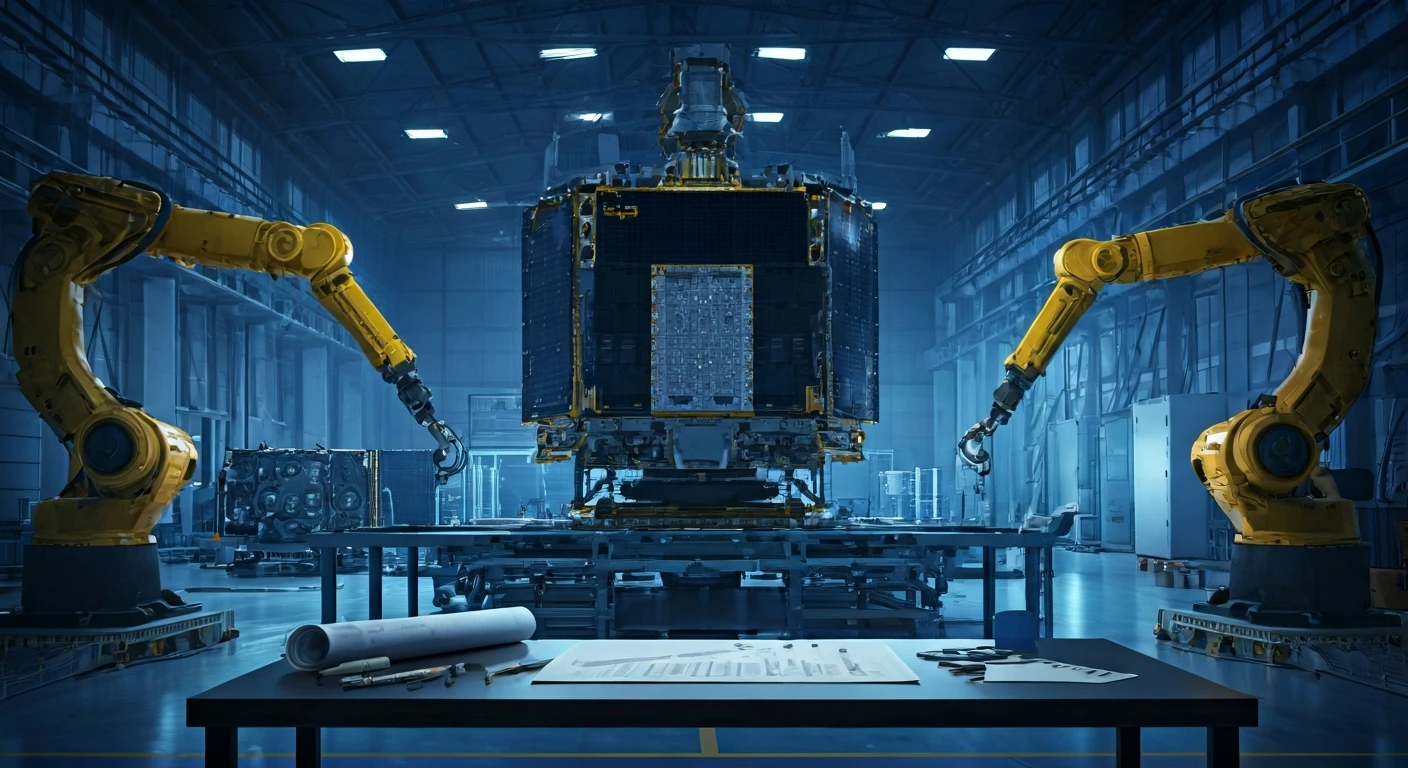
A cheap launch is one thing, but building a whole industry is another. The real game-changer came in early 2024 when the Indian government radically overhauled its foreign direct investment (FDI) policy for the space sector. Previously a tightly controlled, state-dominated field, the doors have now been thrown wide open. The new rules allow for up to 100% foreign ownership in companies that manufacture components and systems for satellites. For firms that build and launch the satellites themselves, foreign entities can take up to a 74% stake without needing government approval. This policy shift is a clear signal to the world: India is not just a service provider anymore; it wants to be a central hub for space commerce. It’s an invitation for global giants like Airbus, Boeing, and Lockheed Martin, as well as venture capitalists, to set up shop, bring in capital, and build alongside India’s burgeoning private startups.
It’s More Than Just Rockets
While ISRO's launches grab headlines, the emerging private ecosystem is where the long-term opportunity lies. Startups are sprouting up across the entire space value chain. Companies like Skyroot Aerospace and Agnikul Cosmos are developing their own private launch vehicles, aiming to be India’s answer to SpaceX. Others are focused on building satellite constellations for earth observation, communication, and data analytics. This diversification is crucial. The global space economy, valued at over $540 billion, isn’t just about getting to space; it's about what you do once you’re there. By encouraging private players in satellite manufacturing, ground station services, and data processing, India is positioning itself to capture a much larger slice of that lucrative pie. International investors see a chance to get in on the ground floor of a market projected to be worth $40 billion in India alone by 2040.
A New Player in the Great Power Game
This commercial boom has significant geopolitical implications, especially for the United States. For years, the space domain has been increasingly defined by a tense competition between the U.S. and China. India’s rise offers a powerful third node in this network. As a democratic partner, India provides a strategic alternative to relying on either American monopolies or Chinese state-backed services. The U.S. has already recognized this, signing the Artemis Accords with India and fostering collaborations between NASA and ISRO. For American companies, India is both a potential competitor in the launch market and a valuable partner for manufacturing and joint ventures. In an era where supply chains are being re-evaluated, having a friendly, low-cost, high-tech hub for space hardware and services is a massive strategic advantage.