






An Escape from the Hard Edges
So much of modern life is defined by hard surfaces and sharp sounds. We walk on concrete, work under fluorescent lights, and navigate a world of ringing phones and blaring traffic. A typical vacation can often just be a change of scenery for the same
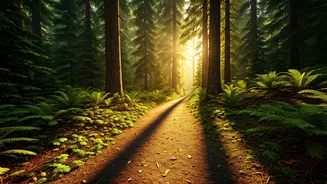
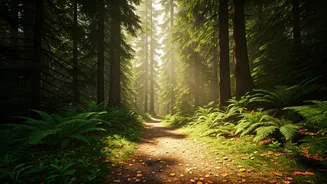
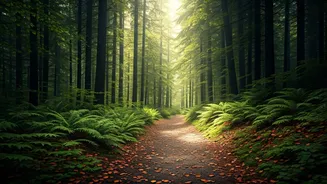
sensory overload. A forest trail offers a radical departure from this harshness. The very ground under your feet is different—yielding, uneven, alive. The soundscape is muffled, a tapestry of wind in the leaves, birdsong, and the rhythmic crunch of your own footsteps on pine needles or damp earth. The light isn't a harsh, direct glare but a dappled, shifting pattern filtered through a canopy of green. This sensory shift is the first layer of what makes the experience feel ‘softer.’ It’s a gentle release from the constant, low-grade assault on our senses.
Softer on the Mind
The restorative power of nature isn’t just a poetic notion; it’s a well-documented psychological phenomenon. Researchers call one aspect of it ‘soft fascination,’ a state where your attention is held effortlessly by things like fluttering leaves or a meandering stream, allowing your directed, focused mind to rest and recover. This is the opposite of the ‘hard fascination’ demanded by a smartphone screen or a busy intersection. This mental downtime is profoundly restorative. The Japanese practice of *shinrin-yoku*, or ‘forest bathing,’ is built entirely on this principle. It’s not about exercise or reaching a destination; it’s about simply being in the woods and absorbing the atmosphere. Studies have shown that even short periods spent in a forest environment can reduce cortisol levels (the body's primary stress hormone), lower blood pressure, and improve mood. It’s an active form of meditation where the forest does most of the work for you.
A Gentler Pace of Discovery
Conventional travel is often governed by the clock. You have to catch a flight, make a reservation, or beat the crowds to a museum. The schedule, not your own curiosity, dictates the pace. On a trail, time works differently. Your pace is your own, determined by your body and your interest in the world around you. You can stop to inspect a strange mushroom, watch a chipmunk gather nuts, or simply sit on a fallen log and listen. This self-directed pace is a quiet rebellion against the frantic efficiency that governs so much of our lives. It encourages presence over productivity. You aren't trying to conquer a city’s worth of sights in a weekend; you are simply moving through a small piece of the world, one step at a time. This slower, more deliberate rhythm is a form of travel that prioritizes experience over accomplishment.
Finding Connection in Simplicity
In an era of hyper-curated Instagram travelogs and pressure to have the ‘best’ vacation, the forest trail offers a humble, honest alternative. There’s no velvet rope, no exclusive access to purchase. The woods are a great equalizer. The experience isn’t about what you can buy, but what you can notice. It’s a return to a simpler, more fundamental way of being. By stripping away the noise, the commerce, and the digital distractions, a trail allows for a deeper connection—not just to nature, but to yourself and anyone you might be walking with. Conversations flow more easily without the constant interruption of notifications. Thoughts clarify in the quiet. This simplicity isn't a lack of sophistication; it’s the ultimate luxury in a world that is anything but simple.