




The High Cost of Foodie Beauty Standards
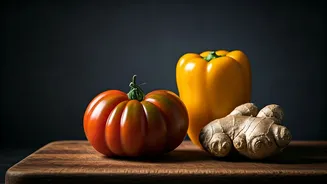
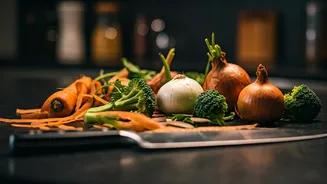
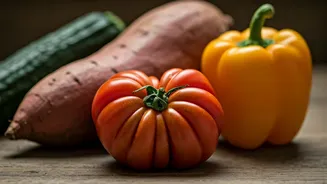
They’re called “ugly,” “imperfect,” or “misfit” produce. We’re talking about carrots with two legs, bell peppers with quirky lumps, or potatoes that look more like abstract art than a starchy oval. For generations, these perfectly edible and nutritious
foods have been systematically filtered out of the mainstream food supply chain. Why? Because they don’t meet the rigid cosmetic standards set by major grocery retailers. Farms are often contractually obligated to provide produce of a specific size, shape, and color. Anything that deviates—even slightly—is often left in the field to rot, tilled back into the soil, or sold for a fraction of its value for processing or animal feed. According to data from food waste organizations like ReFED, billions of pounds of produce are lost at the farm level each year in the U.S., a significant portion due to these purely aesthetic reasons. It's a system that prioritizes appearance over substance, creating a staggering amount of preventable waste before food even has a chance to reach a store.
More Than Just Wasted Food
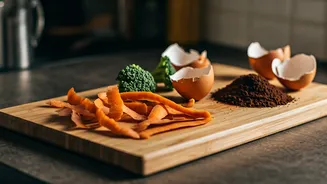
The problem goes far beyond a few rejected carrots. When we throw away food, we also throw away all the resources that went into growing it. Think of the water used for irrigation, the fuel for tractors, the land dedicated to cultivation, and the human labor required to plant and harvest. The U.S. Environmental Protection Agency highlights that food is the single largest category of material placed in municipal landfills, where it emits methane, a potent greenhouse gas. By rejecting produce for cosmetic reasons, we are essentially running a massive, inefficient system that generates waste and pollution at every step. The sustainable food movement has rightfully identified this as a critical and, importantly, solvable problem. Rescuing this “ugly” produce isn't just about saving a misshapen lemon; it's about honoring the resources of our planet and making our food system more logical and less wasteful.
Enter the Misfit Entrepreneurs
Capitalizing on this inefficiency and a growing consumer desire for sustainability, a new wave of companies has emerged to champion imperfect foods. Services like Misfits Market and Imperfect Foods built their entire business model on this premise. They partner directly with farmers and producers to buy the surplus and cosmetically imperfect produce that grocery stores won’t take. They then sell these items to consumers through a subscription box model, often at a discount compared to traditional retail prices. By creating a new, direct-to-consumer market for this produce, they provide farmers with a crucial secondary revenue stream for crops they would have otherwise lost. This model has proven incredibly popular, turning the concept of “ugly” produce from a food waste footnote into a trendy, mission-driven consumer choice.
A Change in Consumer Mindset
The success of ugly produce isn't just a business story; it's a cultural one. It signals a shift in how we think about food. Consumers are increasingly connecting their purchasing decisions with their values, and sustainability is at the top of the list. Choosing a box of lumpy potatoes and curvy cucumbers has become a small act of environmental rebellion. This movement teaches us that flavor and nutrition have nothing to do with appearance. A twisted carrot tastes the same as a straight one, and a slightly scarred apple is just as delicious. By embracing these imperfections, consumers not only save money and reduce waste but also develop a more intimate and realistic relationship with their food. They’re reminded that food is grown, not manufactured, and that nature doesn’t operate on a perfect assembly line. This shift helps foster a deeper appreciation for the food system and the farmers who sustain it.