




From Material Goods to Personal Growth
For their parents and grandparents, who navigated a post-independence economy of scarcity, status was often tied to tangible, durable assets: a house, a car, gold jewelry. These were visible symbols of having ‘made it.’ But for many of India’s urban millennials
and Gen Z, who grew up in a more liberalized and globally connected economy, these traditional markers feel less compelling. They are the first generation, in many families, to have disposable income not just for security, but for identity-building. Instead of just accumulating things, they are investing in themselves. Wellness, in this context, is the perfect new commodity. It’s a project of self-improvement that signals not just wealth (because it is expensive), but also discipline, mindfulness, and forward-thinking values. A gym membership at a high-end club or a pantry stocked with organic quinoa broadcasts a message of sophisticated, globalized success.
The Instagrammable Self-Care Aesthetic
You can’t talk about youth culture without talking about social media, and in India, the wellness trend is powered by the visual language of Instagram. It’s not enough to feel good; one must be *seen* feeling good. The aesthetic is specific and aspirational: sunrise yoga poses against a sleek urban skyline, perfectly plated avocado toast, minimalist skincare shelfies, and videos from serene wellness retreats. Indian influencers, who command massive followings, have turned self-care into a performance. This creates a powerful feedback loop. Their followers see wellness not as a private practice, but as a public declaration of a certain lifestyle. Owning this aesthetic becomes a form of social currency, demonstrating that you have the time, money, and cultural capital to participate in this global trend.
An Antidote to the High-Pressure Hustle
This embrace of wellness is also a direct reaction to the immense pressures facing Indian youth. The country’s competitive academic environment and a cutthroat job market create a pervasive culture of stress and burnout. In this ‘hustle culture,’ the ability to invest in rest and recovery becomes a status symbol in itself. Paying for therapy, taking a mental health day, or going on a meditation retreat isn’t just about coping; it's a signal that you are successful enough to afford a break from the grind. Wellness becomes the antidote to the very system that creates the wealth needed to access it. It’s a way of saying, “I work hard, but I’m also successful enough to prioritize my peace,” a luxury that remains out of reach for the vast majority.
Modern Twists on Ancient Traditions
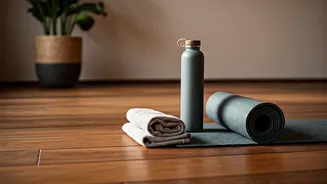
What makes the Indian wellness boom unique is its ability to tap into the country’s deep-rooted traditions. Yoga, Ayurveda, and meditation are not new imports; they are ancient practices woven into the cultural fabric. But the new wellness movement repackages them for a modern, affluent consumer. Traditional yoga ashrams are being overshadowed by chic, air-conditioned studios offering power vinyasa and aerial silk classes. Ayurvedic principles are being used to market expensive, beautifully packaged skincare products. This fusion of ancient and modern gives the trend a sense of authenticity and homegrown pride, even as it commercializes these practices into luxury experiences. It allows young Indians to connect with their heritage in a way that feels contemporary, global, and exclusive.