





Sync with Your Natural Rhythm
Your body has an internal clock, known as the circadian rhythm, that’s heavily influenced by light. For centuries, humans woke with the sun and slept with the moon. Today, we live under static, artificial glare that confuses our bodies, impacting everything
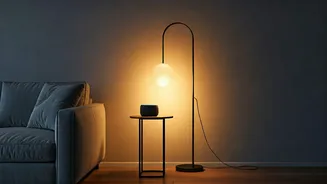
from sleep quality to energy levels. The therapeutic fix is to mimic the sun's natural progression indoors. This concept, called circadian lighting, means using cool-toned, bright light during the day to promote alertness and focus. As evening approaches, transition to warm, dim, amber-hued light. This signals to your brain that it’s time to wind down, encouraging the production of melatonin and preparing you for a restful night's sleep. Smart bulbs make this easy, with presets that can automate the daily color shift for you.
Layer It On for Mood and Function
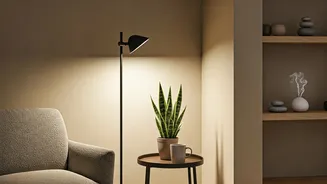
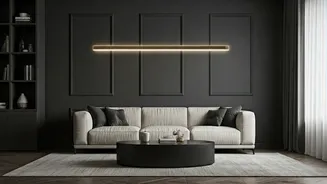
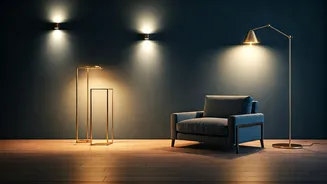
Professional designers know that a single, harsh overhead light—affectionately dubbed the “big ugly” in some circles—is a primary cause of sterile, unwelcoming rooms. The solution is to layer your lighting. Every well-lit room should have at least three types of light. Start with *ambient* lighting: the general, overall illumination from ceiling fixtures or large lamps. Next, add *task* lighting: focused light for specific activities like reading, cooking, or working at a desk. Think under-cabinet lights in the kitchen or a stylish floor lamp next to your favorite armchair. Finally, introduce *accent* lighting to create visual interest. This could be a picture light highlighting artwork or a small uplight behind a plant. Layering gives a room depth, dimension, and, most importantly, flexibility. You can adjust the mood instantly by using different combinations.
Understand Color Temperature (Kelvins)
When you buy a lightbulb, one of the most important but often-ignored specs is its color temperature, measured in Kelvins (K). This isn't about the physical heat of the bulb, but the color of the light it emits. A lower Kelvin number (around 2700K) produces a warm, cozy, yellowish glow reminiscent of candlelight—perfect for living rooms and bedrooms. It’s the color of relaxation. A higher Kelvin number (4000K-5000K) produces a cool, crisp, bluish-white light that mimics daylight. This light is energizing and ideal for areas where you need to be alert and focused, like a home office, laundry room, or kitchen workspace. Using the wrong temperature in the wrong space is a common mistake. A cool-toned bulb in a bedroom can feel clinical and disruptive to sleep, while a warm bulb in a home office might make you feel sluggish.
Install Dimmers on Everything
If you make only one change to your lighting, make it this: install dimmers. The ability to control the intensity of a light source is the single most powerful tool for shaping a room’s atmosphere. Full brightness is great for cleaning or finding a lost earring, but it’s rarely what you want for a relaxing dinner, a quiet conversation, or watching a movie. Dimmers give you granular control, allowing you to dial in the exact mood you’re after. A brightly lit kitchen can become an intimate dining spot with the turn of a knob. A functional living room can transform into a cozy den. Installing a dimmer switch is a relatively simple and inexpensive DIY project for most fixtures, and the payoff in ambiance and emotional comfort is immediate and immense.
Embrace the Power of Smart Bulbs
Once considered a novelty, smart bulbs are now the most accessible entry point into high-end lighting design. For the price of a few fancy coffees, you can get a bulb that allows you to control brightness, color, and temperature from an app on your phone. This isn't just about creating a party-mode light show (though you can). It’s about effortless customization. You can schedule your bedroom light to slowly brighten in the morning for a gentle wake-up, or program your living room lights to automatically shift to a warm, relaxing hue after 8 p.m. You can create saved “scenes”—like “Focus,” “Relax,” or “Movie Night”—that adjust multiple bulbs with a single tap. This technology puts the principles of circadian lighting, layering, and color control right at your fingertips, no complex wiring required.