


First, What Is a 'Hill Station'?
To understand the appeal of Auli, you first need to get the concept of a 'hill station.' Think of them as the original summer escape plan. During British rule in India, colonial officials sought refuge from the scorching summer heat of the plains. They
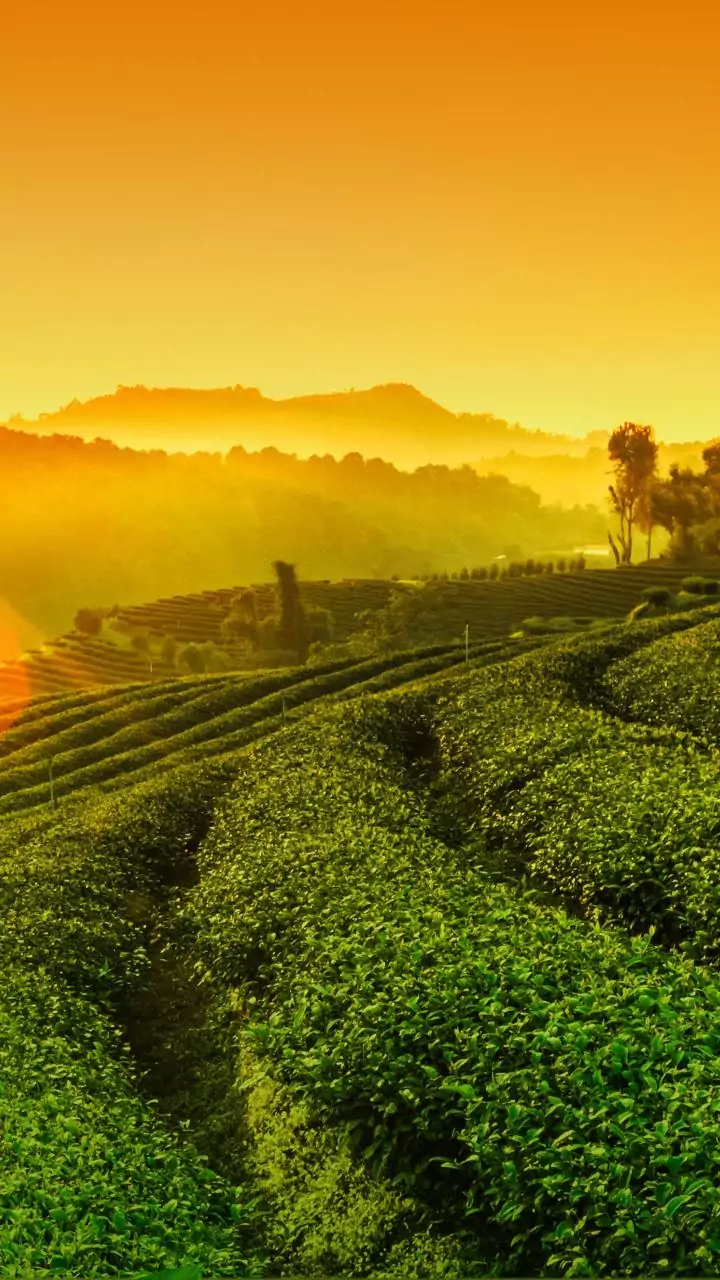
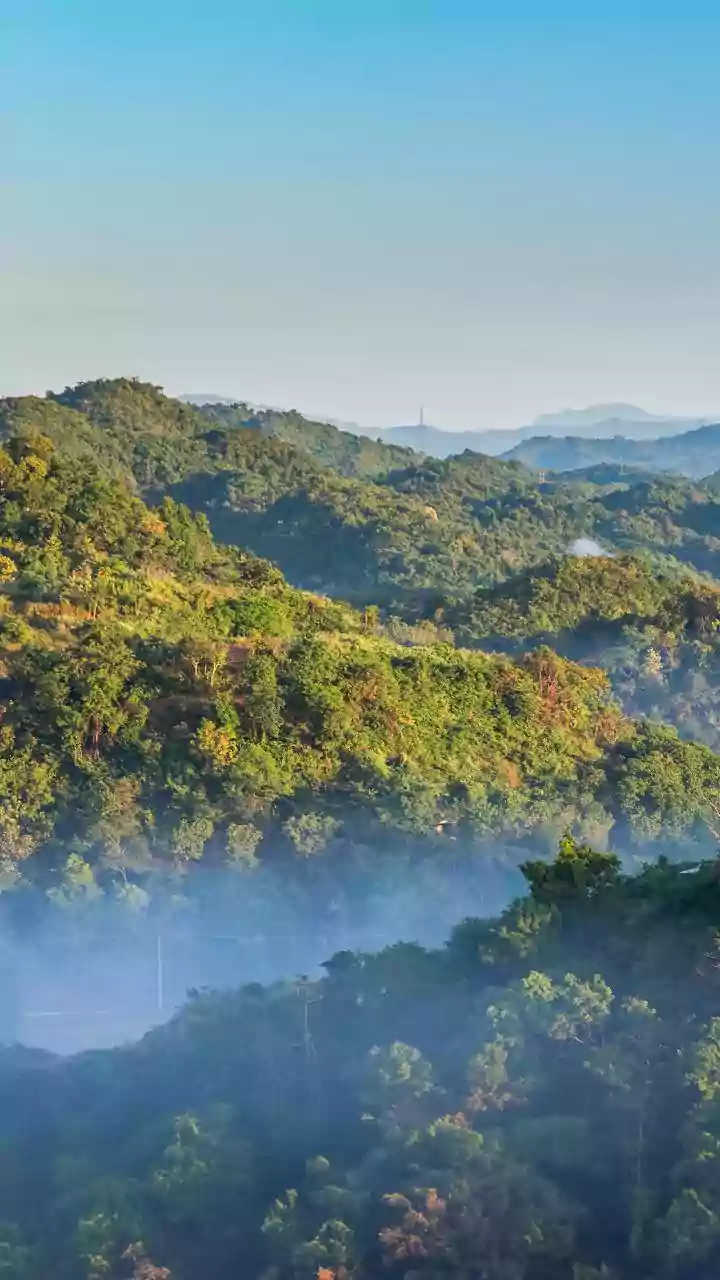
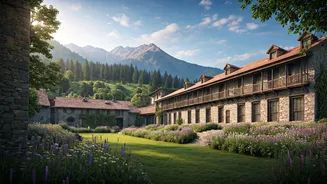
established towns at high altitudes, complete with charming architecture, winding roads, and cool mountain air. Places like Shimla, Darjeeling (famous for its tea), and Ooty became legendary summer capitals and vacation spots. Today, they remain incredibly popular with both domestic and international tourists, but that popularity can sometimes mean crowds, traffic, and a bustling, commercialized atmosphere. They are the classics, the well-trodden paths to the Indian mountains.
Meet Auli: The Unspoiled Challenger
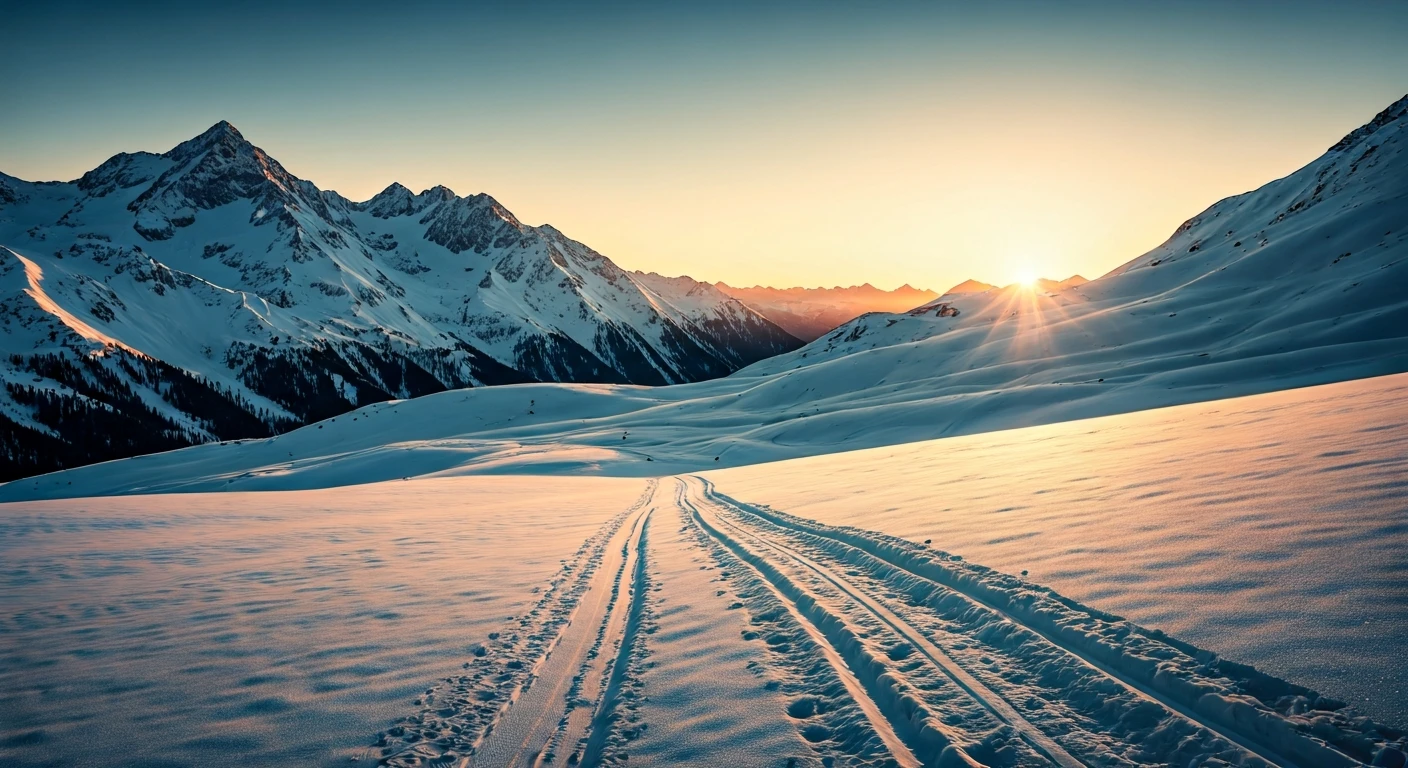
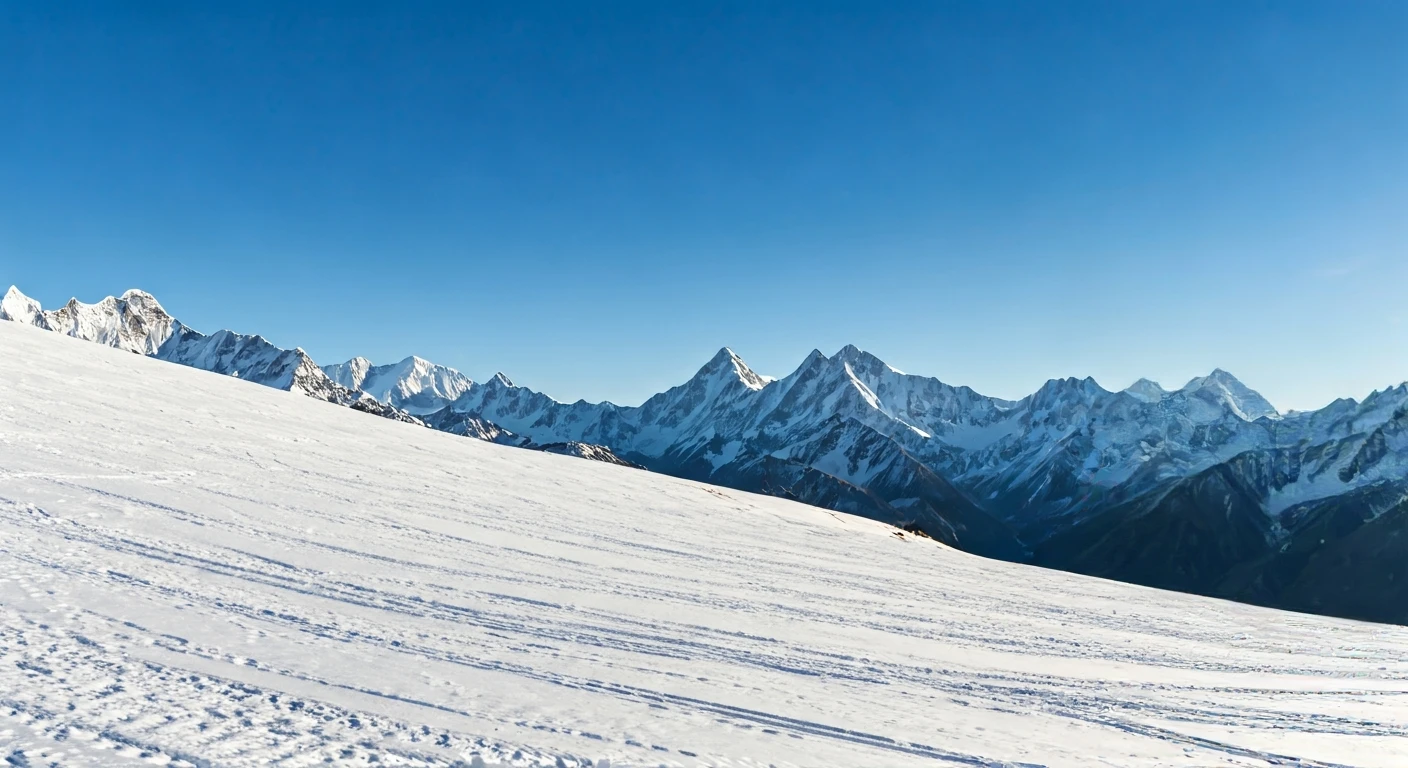
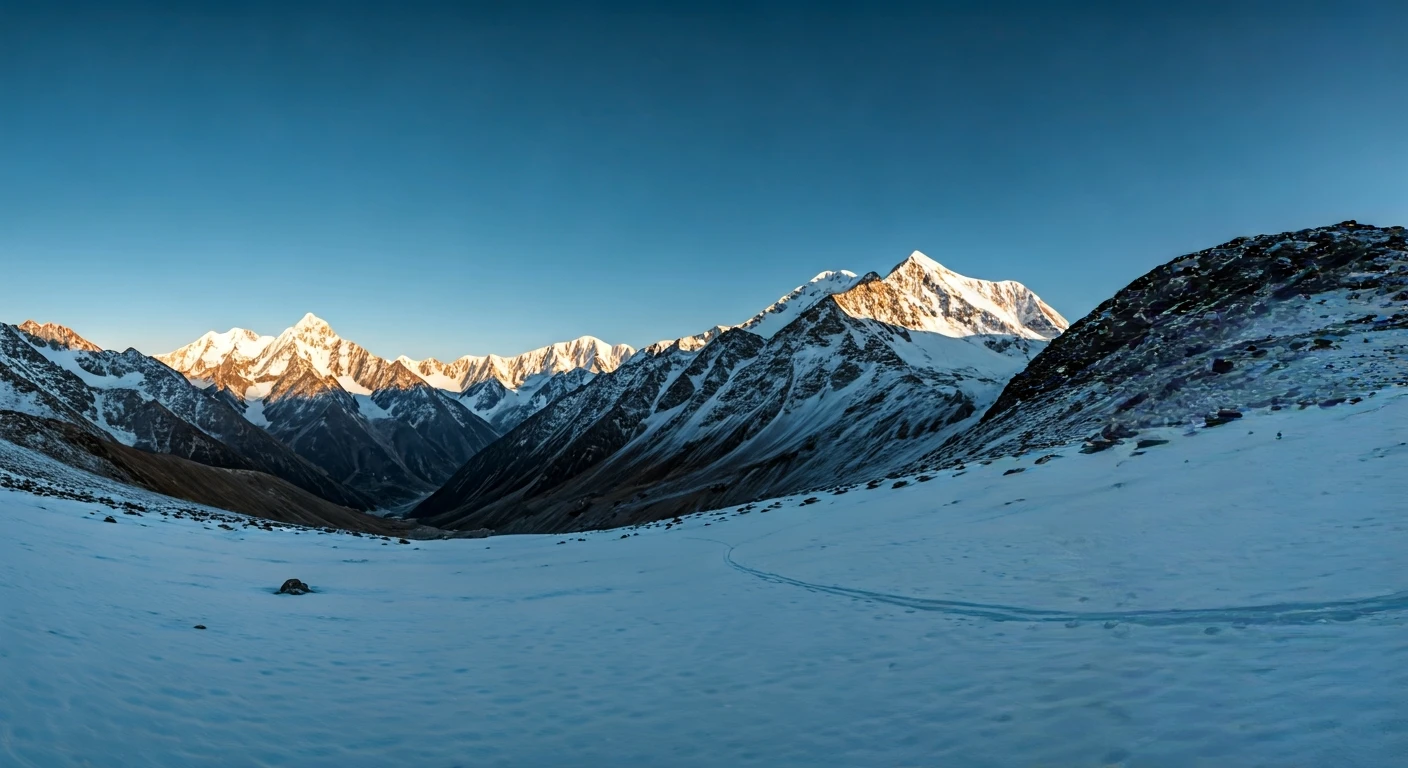
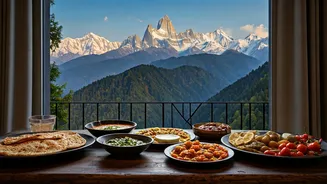
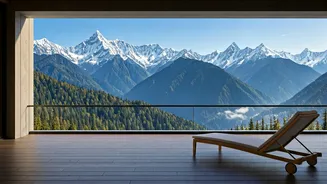
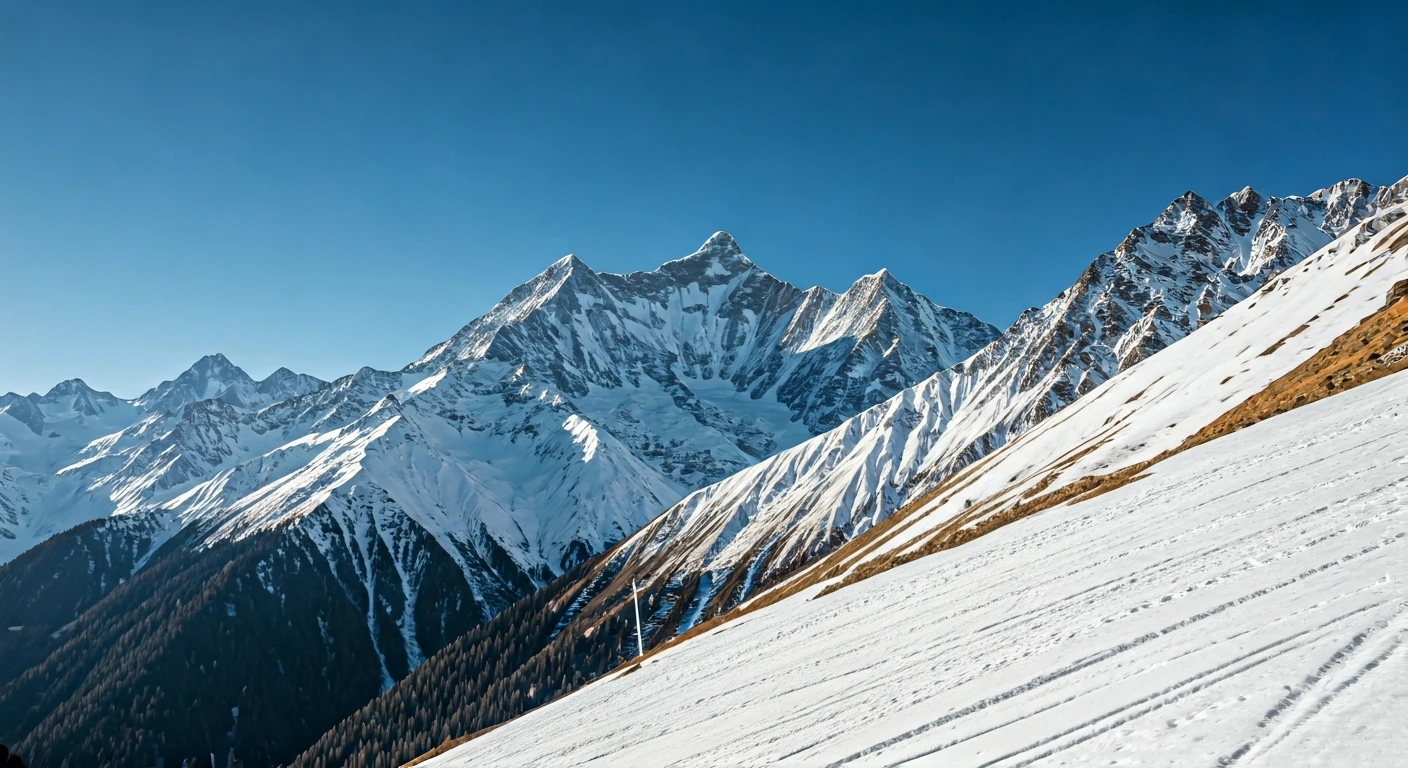
Now, imagine a different kind of hill station. Less colonial throwback, more raw Himalayan grandeur. Welcome to Auli. Tucked away in the Garhwal Himalayas of Uttarakhand, Auli sits at a breathtaking average altitude of around 9,200 feet. Unlike the classic hill stations built for summer leisure, Auli’s modern identity is forged in snow. It’s primarily known as India’s premier ski destination, with slopes and facilities that draw comparisons to international resorts. Its backdrop isn’t just any mountain range; it offers jaw-dropping, panoramic views of some of India’s highest peaks, including the majestic Nanda Devi, a sacred and stunning mountain that dominates the skyline. This isn't just a town in the mountains; it's a window to the heart of the Himalayas.
Ski Slopes, Epic Views, and a Famous Gondola
The main draw from December to March is undoubtedly the skiing. Auli’s 3-mile long slope and a 1,640-foot vertical drop are serviced by a chairlift and a ski lift, offering runs for both beginners and more seasoned skiers. But the real star of the show is the Auli Ropeway, one of the longest and highest cable car systems in Asia. This gondola connects the lower town of Joshimath with the upper slopes of Auli, offering a stunning 2.5-mile journey over dense oak and coniferous forests. The ride itself is a tourist attraction, providing unparalleled photo opportunities of the Himalayan giants. Even if you don't ski, floating above the landscape in the gondola is an experience in itself.
The Summer Secret: Verdant Meadows
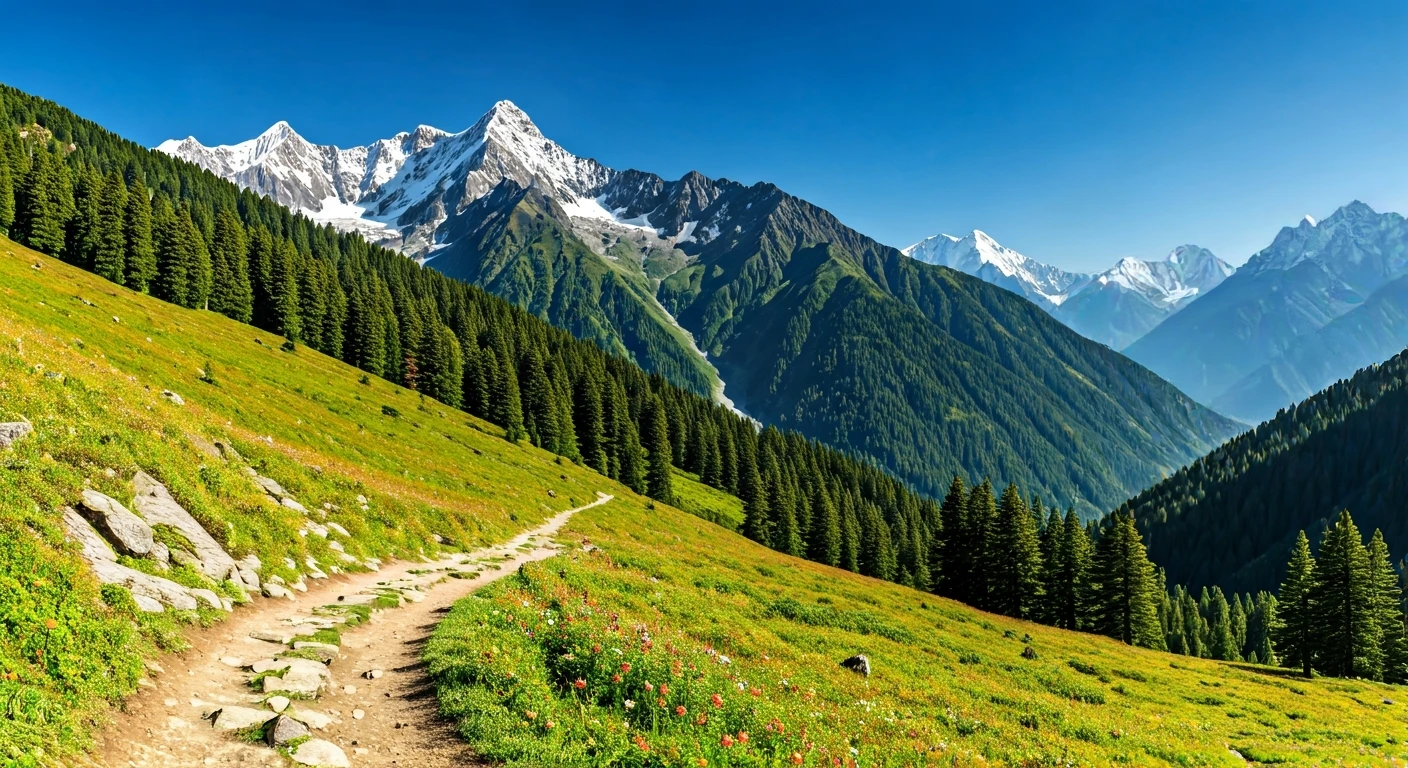
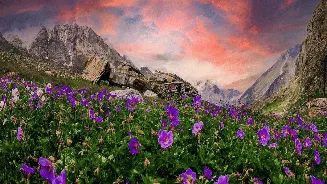
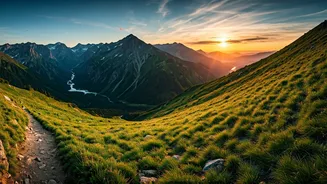
While winter owns the spotlight, Auli’s off-season reveals a completely different, equally magical personality. When the snow melts, the slopes transform into 'bugyals'—vast, lush, high-altitude meadows carpeted with a stunning variety of wildflowers. This is prime trekking season. The most famous trek is to Gorson Bugyal, a rolling expanse of green that feels like something out of The Sound of Music, but with Himalayan peaks in the background. It’s a relatively gentle hike from Auli and offers an even more immersive nature experience. The air is crisp, the crowds are gone, and the tranquility is absolute. This year-round appeal is what solidifies its status as a true mountain paradise, not just a seasonal ski town.
The Catch: It's an Adventure to Get There
If Auli is so great, why isn't it overrun? The answer lies in its relative remoteness. Getting to Auli is a journey, and that’s part of what preserves its charm. For an American traveler, the most common route is to fly into New Delhi, take a short domestic flight to Jolly Grant Airport in Dehradun, and then prepare for a long, winding, and incredibly scenic 8-10 hour drive up the mountains to Joshimath, the gateway town. The roads are carved into mountainsides and the journey is an adventure. This barrier to entry filters out casual tourists, ensuring that those who make it are rewarded with a more authentic, less commercialized experience. It’s for the traveler who believes the destination is worth the journey.