
From Humble to High-End
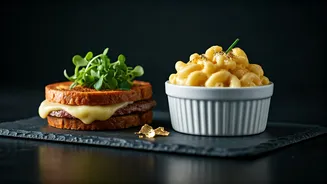
Scan a trendy restaurant menu today, and you’ll see it tucked between the crudo and the sous-vide duck breast: mac and cheese. But this isn’t the kind from a blue box. It’s made with aged Gruyère, perhaps a hint of truffle oil, and topped with toasted
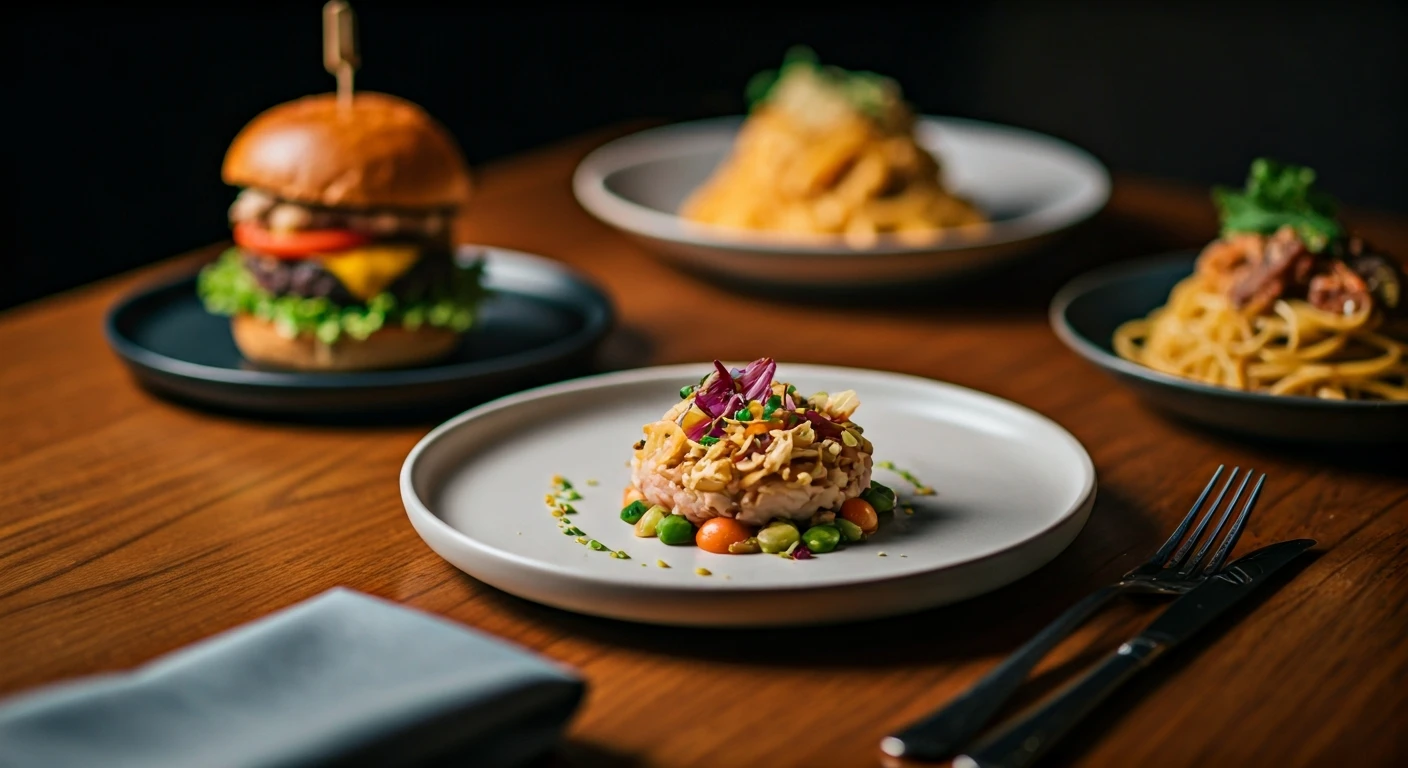
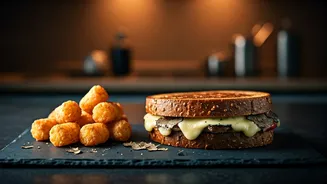
panko breadcrumbs. Elsewhere, you’ll find fried chicken sandwiches elevated with a spicy, house-made aioli and brioche buns, or tater tots fried in duck fat and served with rosemary salt. This is the “nostalgia glow-up” in action. The trend takes the universally beloved, emotionally resonant foods of our childhoods and rebuilds them with premium ingredients, cheffy techniques, and an aesthetic that’s ready for its close-up. It’s the culinary equivalent of putting on a tailored suit but keeping your favorite, worn-in sneakers. The core comfort is still there, but the presentation is sharp, modern, and undeniably deliberate.
The Psychology of Craving Comfort
So, why now? Why are we collectively reaching for a fancier version of the past? Experts and food writers point to a perfect storm of cultural factors. In a world that feels increasingly unpredictable and digitally saturated, nostalgia offers a powerful emotional anchor. These foods are shortcuts to simpler times, evoking feelings of safety, warmth, and care. After years of culinary preciousness—think foams, gels, and deconstructed everything—there’s a palpable return to authenticity and straightforward pleasure. But we haven’t completely shed our desire for things that feel special or aspirational. The “glow-up” is the perfect compromise. It satisfies our craving for the familiar while still delivering the sense of discovery and quality we’ve come to expect from modern dining. It’s a way to indulge in a memory without feeling unsophisticated.
Made for the Social Media Age
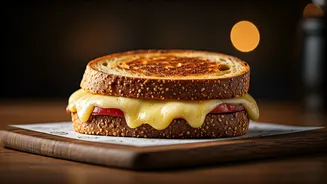
Let’s be honest: a plain bowl of tomato soup doesn’t exactly scream “share me.” But a creamy tomato bisque with a basil-infused olive oil drizzle and an artisan grilled cheese sandwich on the side, oozing with a perfect “cheese pull”? That’s a different story. The visual component of this trend cannot be overstated. The glow-up transforms humble, often beige-colored dishes into vibrant, textured, and photogenic creations. On platforms like Instagram and TikTok, where food is as much a visual medium as a culinary one, this is crucial. A well-executed shot of an elevated comfort food can go viral, driving diners to restaurants and inspiring home cooks to try their own versions. This creates a feedback loop: chefs create photogenic comfort food, social media users share it, and the demand for more visually appealing nostalgic dishes grows. It’s a testament to the fact that, in 2024, we eat with our eyes first.
More Than Just a Passing Fad
While food trends come and go, the elevation of comfort food feels different. It’s less a fleeting fad and more a fundamental shift in our relationship with food. It represents a reconciliation between our past and our present. We’re no longer embarrassed by our love for simple pleasures; instead, we’re celebrating them by giving them the respect and quality they deserve. This movement empowers home cooks, too. It encourages them to take a beloved family recipe—a meatloaf, a casserole, a simple soup—and ask, “How can I make this even better?” It could be as simple as using fresh herbs instead of dried, buying higher-quality ground beef from a local butcher, or learning a new technique to get the perfect sear. The glow-up isn’t about erasing the original; it’s about honoring it with care and creativity.