



The Hidden Gem of the Himalayas
When you hear “Himalayas,” you might picture the Everest base camp lines or the well-trodden paths of major trekking hubs. But nestled deep in the Indian state of Uttarakhand lies a region that offers a different kind of magic. Known poetically as the “Apple
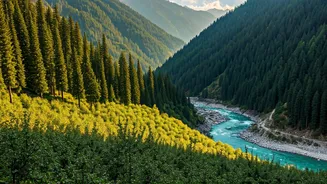
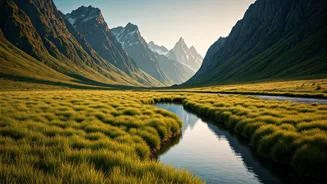
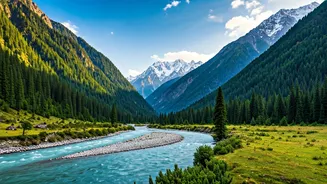
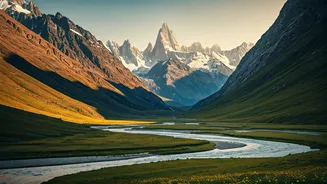
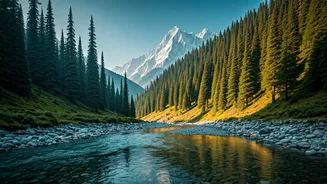
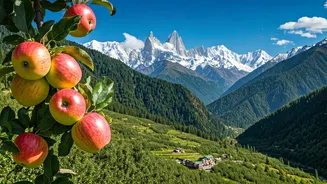
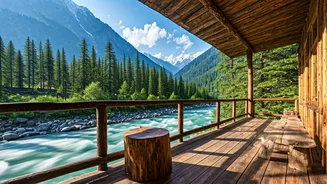
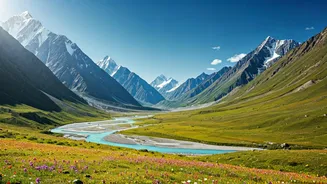
Valley,” the Harshil Valley is a serene, picturesque landscape cradled along the banks of the Bhagirathi River. Located at an altitude of about 8,500 feet, this area has largely escaped the aggressive commercialization that has altered other mountain destinations. It's a place for travelers seeking quiet contemplation, authentic local culture, and the simple joy of walking through fragrant orchards with the Greater Himalayas as a backdrop.
A Bite of History
The valley’s famous apples aren’t native to the region. Their story begins with an adventurous 19th-century British deserter named Frederick “Pahari” Wilson. After fleeing the army, Wilson settled in Harshil, married a local woman, and became a powerful figure in the timber trade. More importantly for the valley's legacy, he introduced apple cultivation to the area. He planted the first apple saplings, and the climate proved to be perfect. The crisp, sweet “Wilson Apples” became a local treasure, transforming the valley’s economy and creating the lush, fruit-laden landscape travelers cherish today. Walking through these orchards feels like stepping into a piece of living history, a testament to a single person’s unlikely impact on an entire region.
When to Answer the Call
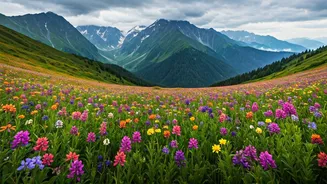
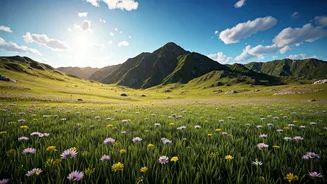
Timing your visit is key to experiencing the best of Harshil. While the valley is beautiful year-round, autumn is the undisputed star. From September to early November, the apple-picking season is in full swing. The air is filled with the sweet scent of ripe fruit, the trees are heavy with red and green jewels, and the leaves begin to turn brilliant shades of gold and amber. This is the perfect time for leisurely walks and sampling fresh produce directly from the source. Spring and summer (April to June) offer a different appeal. The valley is a lush, vibrant green, wildflowers carpet the meadows, and the weather is ideal for trekking and exploring nearby villages. The monsoon (July and August) brings heavy rains and potential landslides, making travel difficult. Winter (December to March) blankets the valley in snow, creating a starkly beautiful but challenging environment for all but the most prepared visitors.
Beyond the Orchards
While the apples are the main draw, Harshil is a gateway to a wealth of natural and cultural experiences. A short drive away is Gangotri, one of the four sacred Char Dham pilgrimage sites for Hindus and the source of the Ganges River. Even for non-religious travelers, the journey offers breathtaking mountain scenery and a glimpse into deep-rooted traditions. Closer to Harshil, you can explore traditional villages like Mukhba, the winter home of the idol of the goddess Ganga when the Gangotri temple closes for the season. The area is also crisscrossed with gentle trekking trails that lead to meadows, waterfalls, and panoramic viewpoints. It’s a paradise for photographers, bird watchers, and anyone who wants to simply unplug and immerse themselves in nature without the pressure of a strenuous, high-altitude expedition.
Embracing a Slower Pace
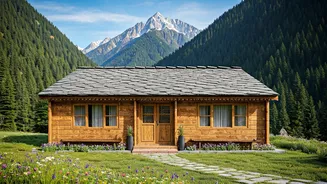
Don't come to Harshil looking for five-star resorts or a bustling nightlife. The charm of the valley lies in its simplicity. Accommodations are primarily cozy homestays, guesthouses, and small, family-run hotels. This is an opportunity to connect with the local Garhwali and Bhotiya communities, share stories over a cup of tea, and enjoy home-cooked meals. Staying here encourages a slower, more mindful mode of travel. It’s about savoring the view from your window, listening to the river, and realizing that sometimes, the greatest luxury is a lungful of clean mountain air and the taste of a freshly picked apple.