



The Land Where Gods Reside
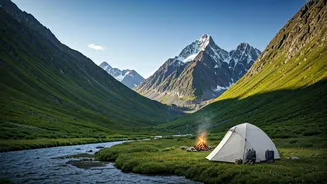
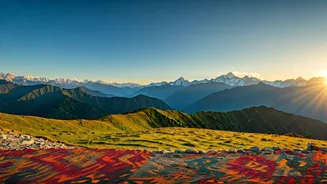
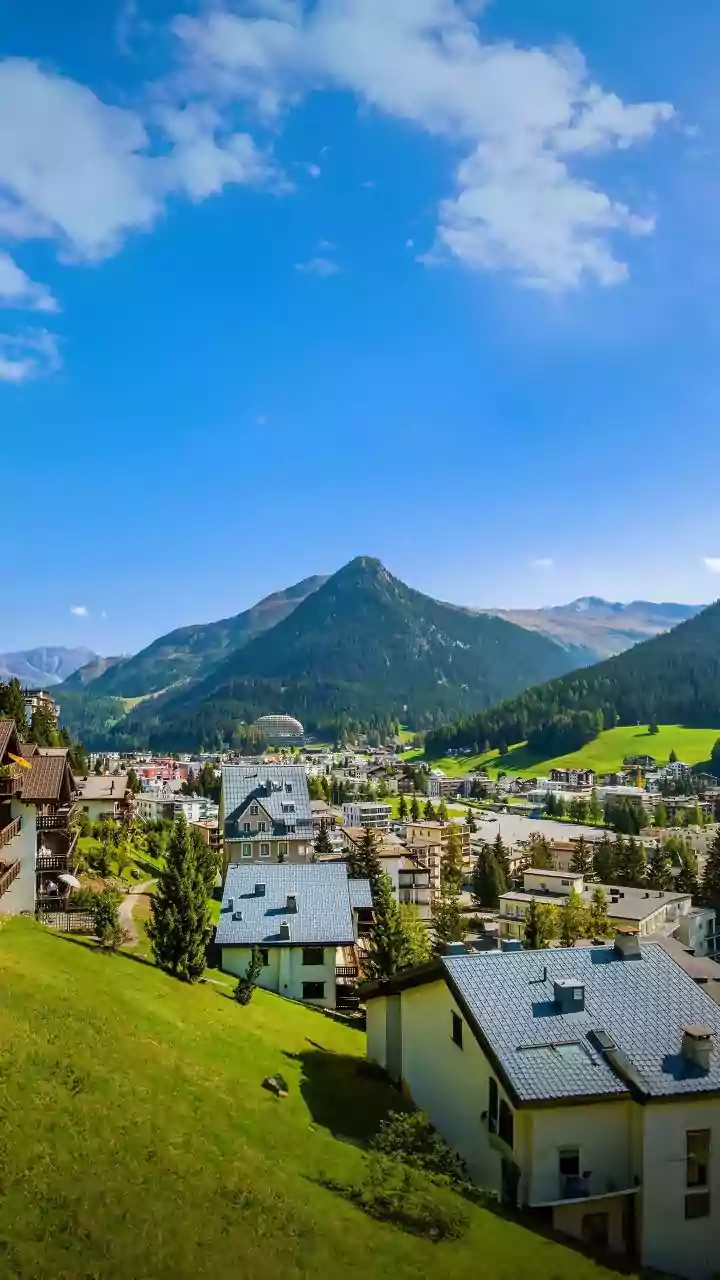
For those unfamiliar, Himachal Pradesh is a staggering beautiful state in northern India, nestled in the western Himalayas. Known locally as Devbhoomi, or the “Land of the Gods,” it’s a region where snow-capped peaks cradle ancient temples and serene
valleys are dotted with apple orchards. For much of the year, its culture feels like a well-kept secret, woven into the daily lives of its people. But come June, that quiet reverence gives way to joyous, public celebration, most notably during the Shimla Summer Festival.
Shimla’s Summer Spectacle
The “big stage” is the internationally renowned Shimla Summer Festival, an event that transforms the state's historic capital. Shimla, once the summer capital of British India, sheds its colonial-era tranquility for a week of pure Himachali spirit. Held on the iconic Ridge, a large open space in the heart of the city with panoramic Himalayan views, the festival is a sensory explosion. What began in the 1960s has evolved into the definitive platform for the region's artists, musicians, and performers to share their heritage with the world.
A Symphony of Sight and Sound
The festival is a living, breathing catalog of Himachali culture. The centerpiece is often the folk music and dance. You’ll see performers enacting the Nati, one of the world's oldest and most enduring folk dances. Dancers link arms, swaying in slow, graceful circles to the rhythm of drums and pipes, their movements telling stories of local life, love, and mythology. The visual spectacle is just as compelling. Performers are adorned in traditional attire: intricately woven woolen shawls, vibrant headscarves called Dhatu for women, and the iconic Kullu caps with their colorful bands for men. These aren't costumes; they are expressions of identity, each pattern and color signifying a specific valley or community within the diverse state.
More Than Just a Performance
While the festival draws visitors from across the globe, its true purpose is intrinsic. It’s a vital mechanism for cultural preservation. In an increasingly homogenized world, events like this ensure that traditional art forms don't just survive but thrive. Young artists share the stage with seasoned veterans, passing down oral histories and musical traditions. Beyond the stage, food stalls offer a taste of the local cuisine—dishes like siddu (steamed bread) and rich lentil stews that are designed to warm the soul in a mountain climate. Artisan booths display world-famous Kullu and Kinnauri shawls, intricate wood carvings, and delicate Kangra miniature paintings, connecting the region's artistic legacy directly to its local economy.
Why It Resonates Now
The global fascination with Himachal’s June stage speaks to a deeper, modern craving for authenticity. In an era of digital detachment, the festival offers a powerful connection to place, community, and tradition. It’s a reminder that culture is not a static museum piece but a dynamic, living force. The music played on the Shimla Ridge isn’t a soundtrack produced in a studio; it’s the sound of the mountains themselves, channeled through generations of people who call them home. It’s a celebration born of a specific landscape, climate, and spirituality, offering a window into a way of life that values community, nature, and enduring artistic expression over fleeting trends.