




The Post-Monsoon Green-Out
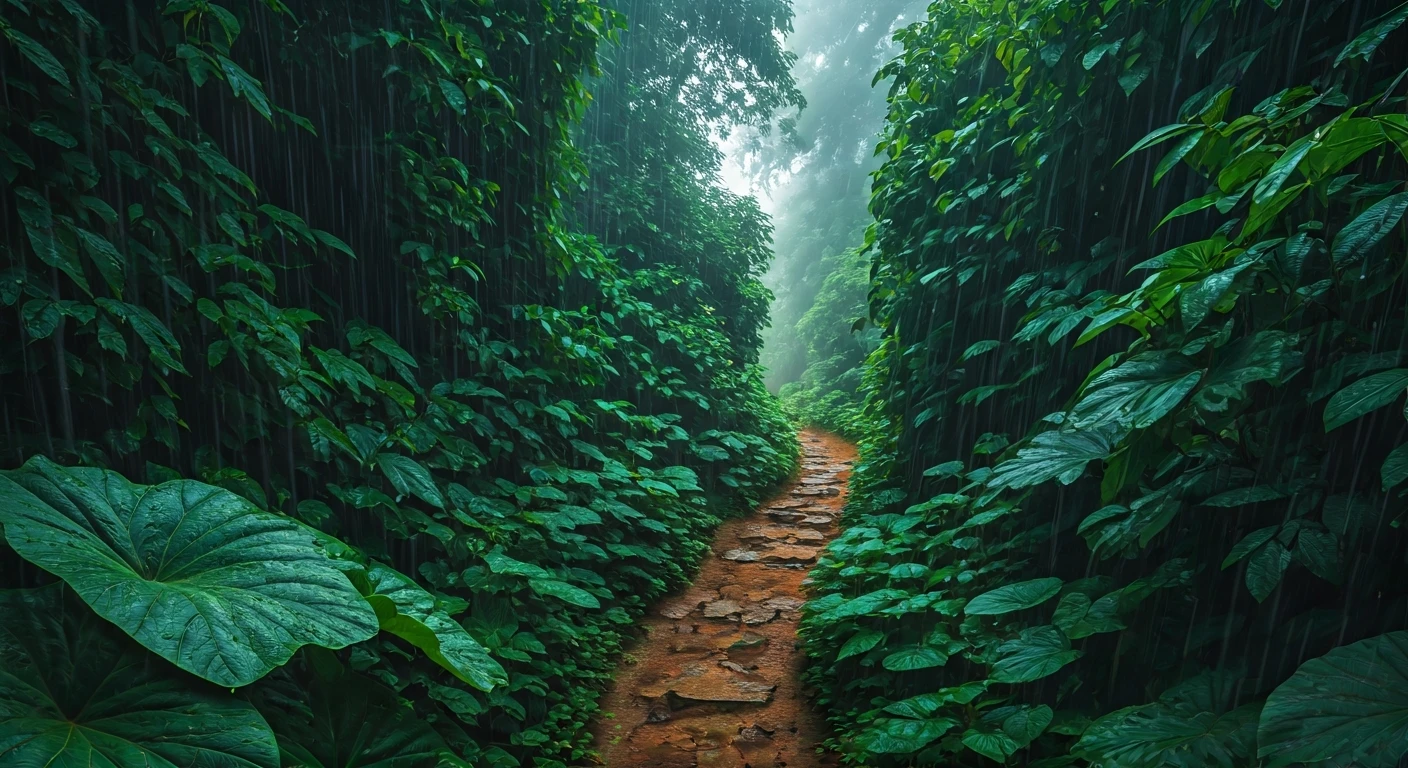
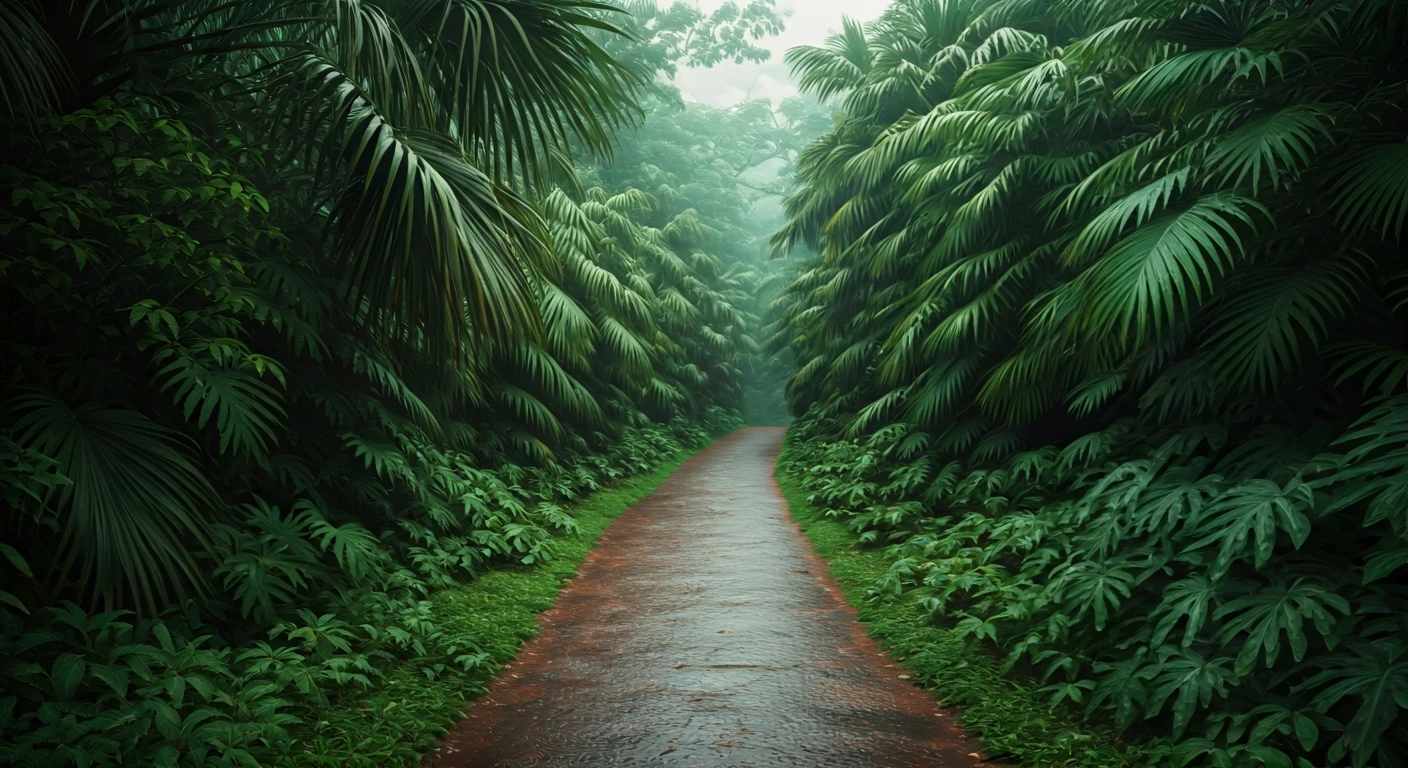
For American travelers accustomed to national parks defined by rock formations and canyons, the sheer, overwhelming greenery of the Western Ghats after the monsoon is a spectacle in itself. From late September through February, the landscape transforms.
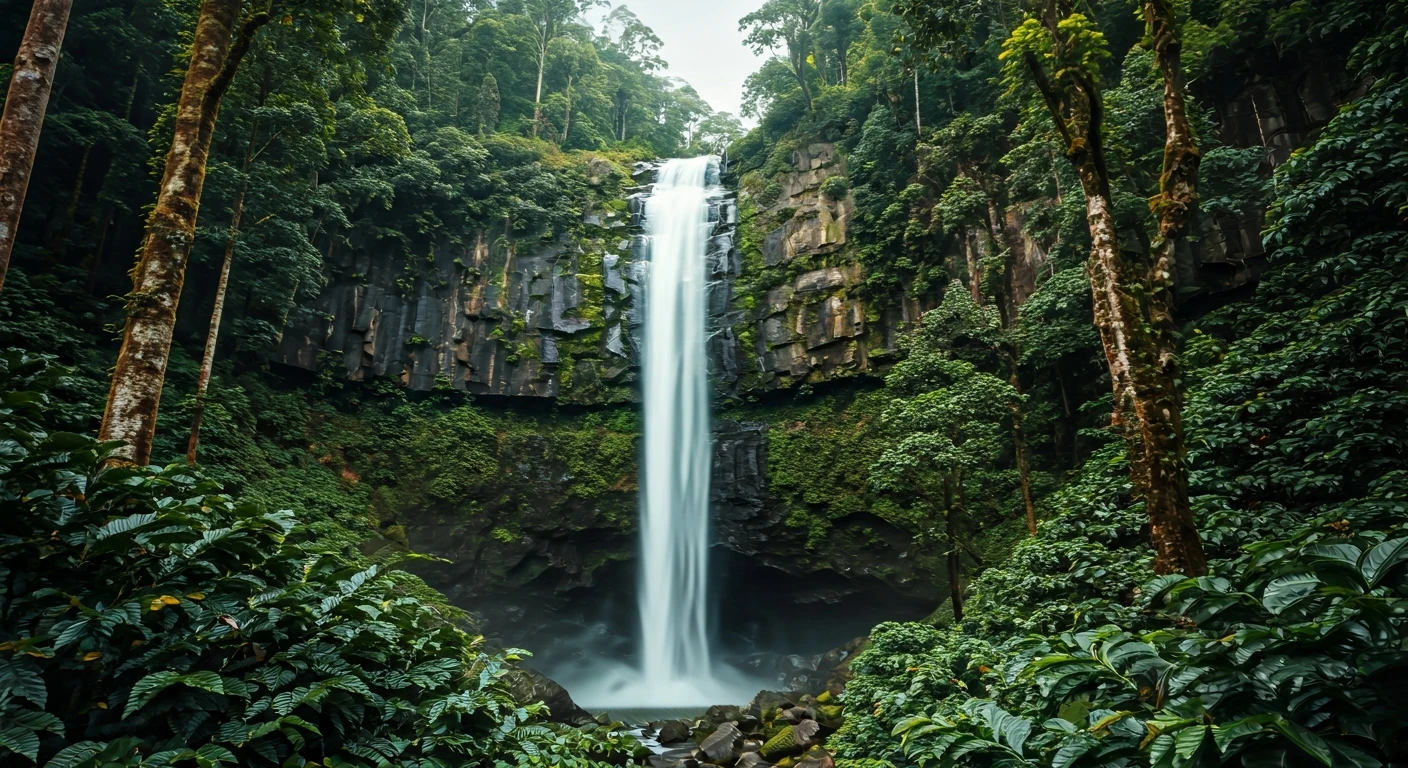
Waterfalls that were violent torrents just weeks before now cascade gracefully down emerald cliffs, and the air is crisp and clean. This isn't just a trip; it's an immersion in green. This UNESCO World Heritage site, older than the Himalayas, is one of the world's most important biodiversity hotspots. The post-monsoon season is when this biodiversity is most accessible, with vibrant wildflowers blooming and rivers and streams flowing with clear, cool water, perfect for a refreshing dip.
India's Coffee Country Comes Alive
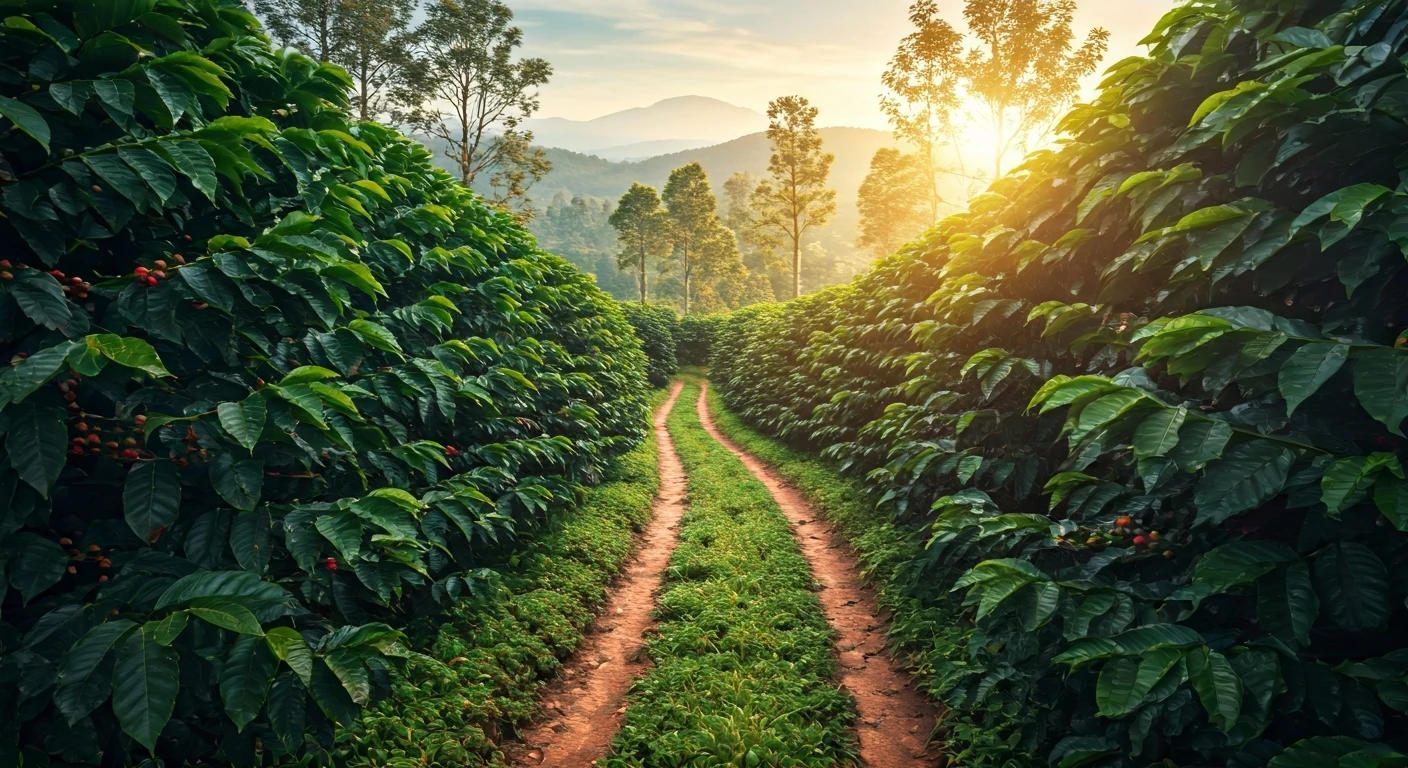
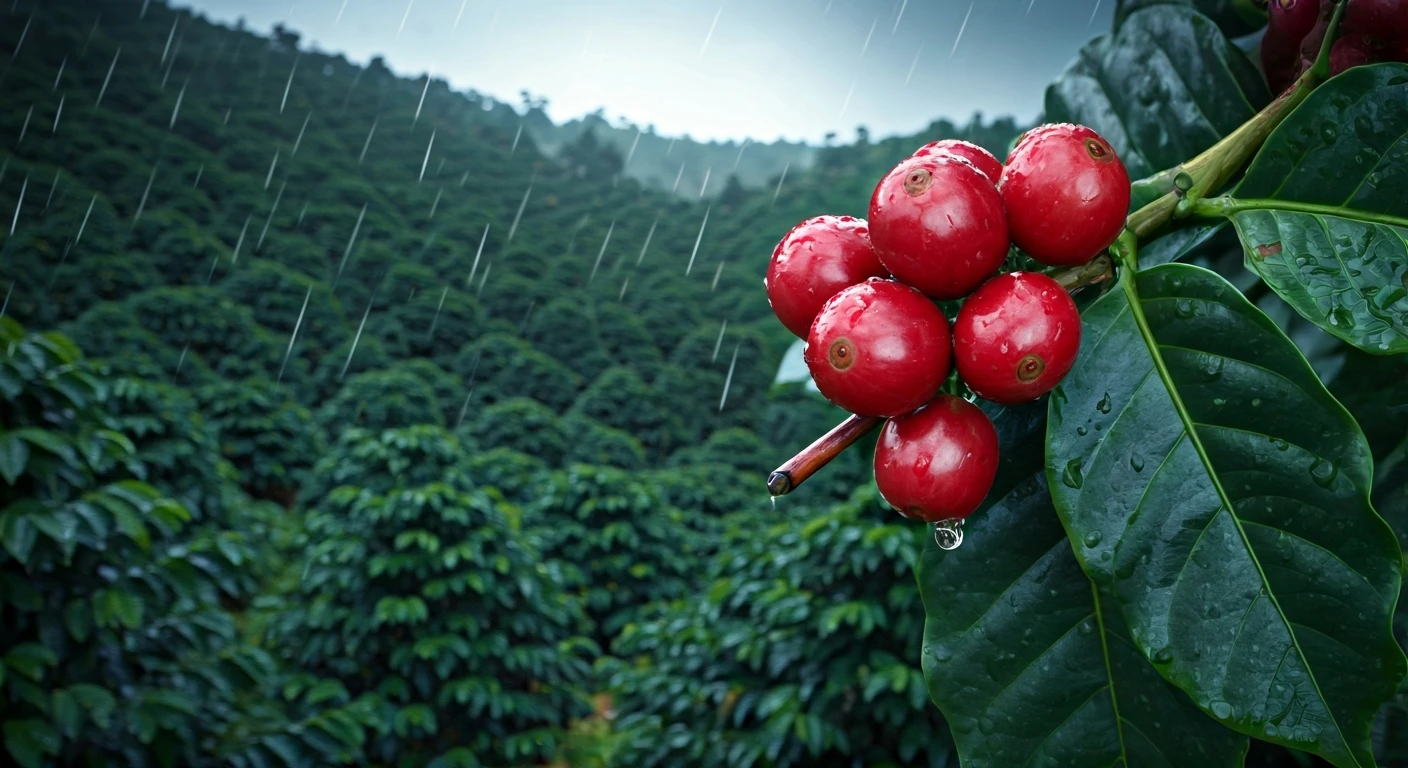
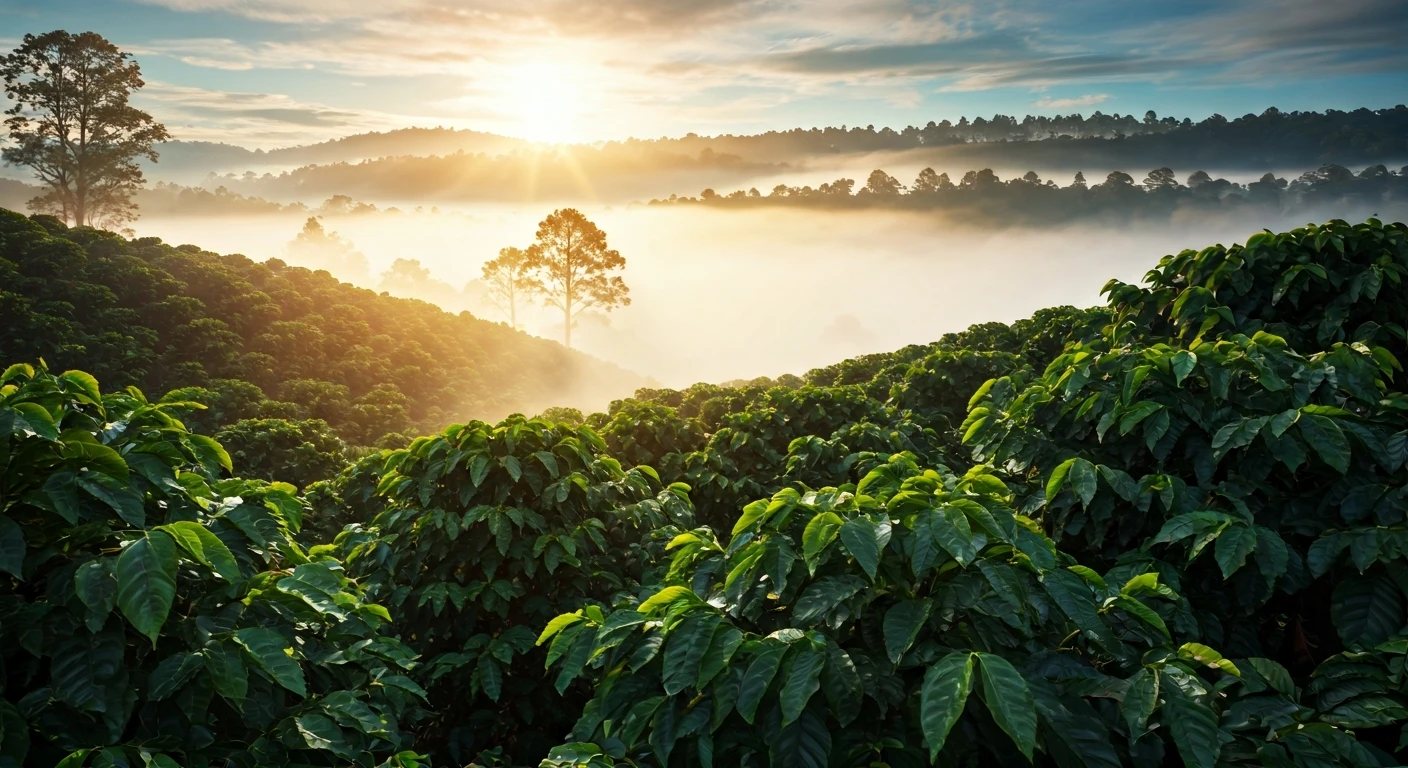
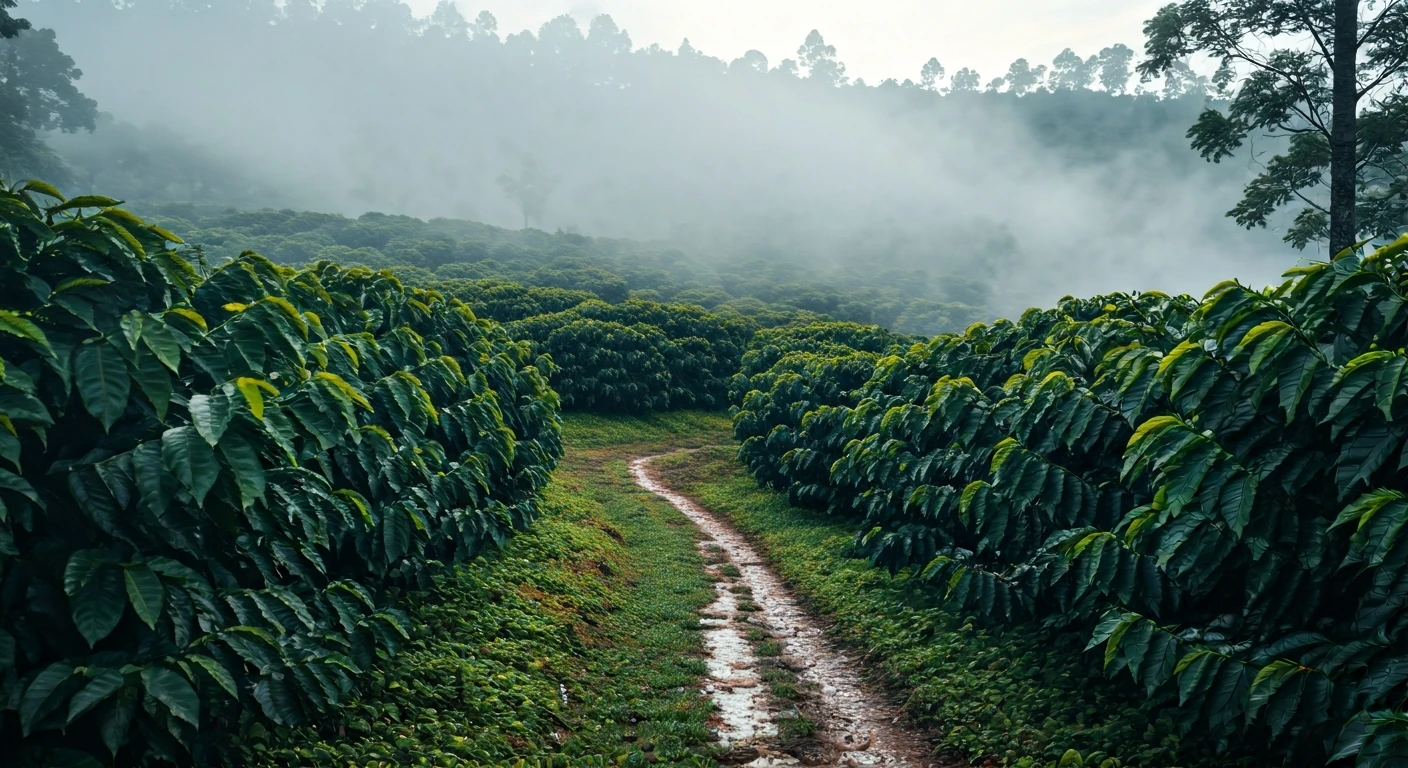
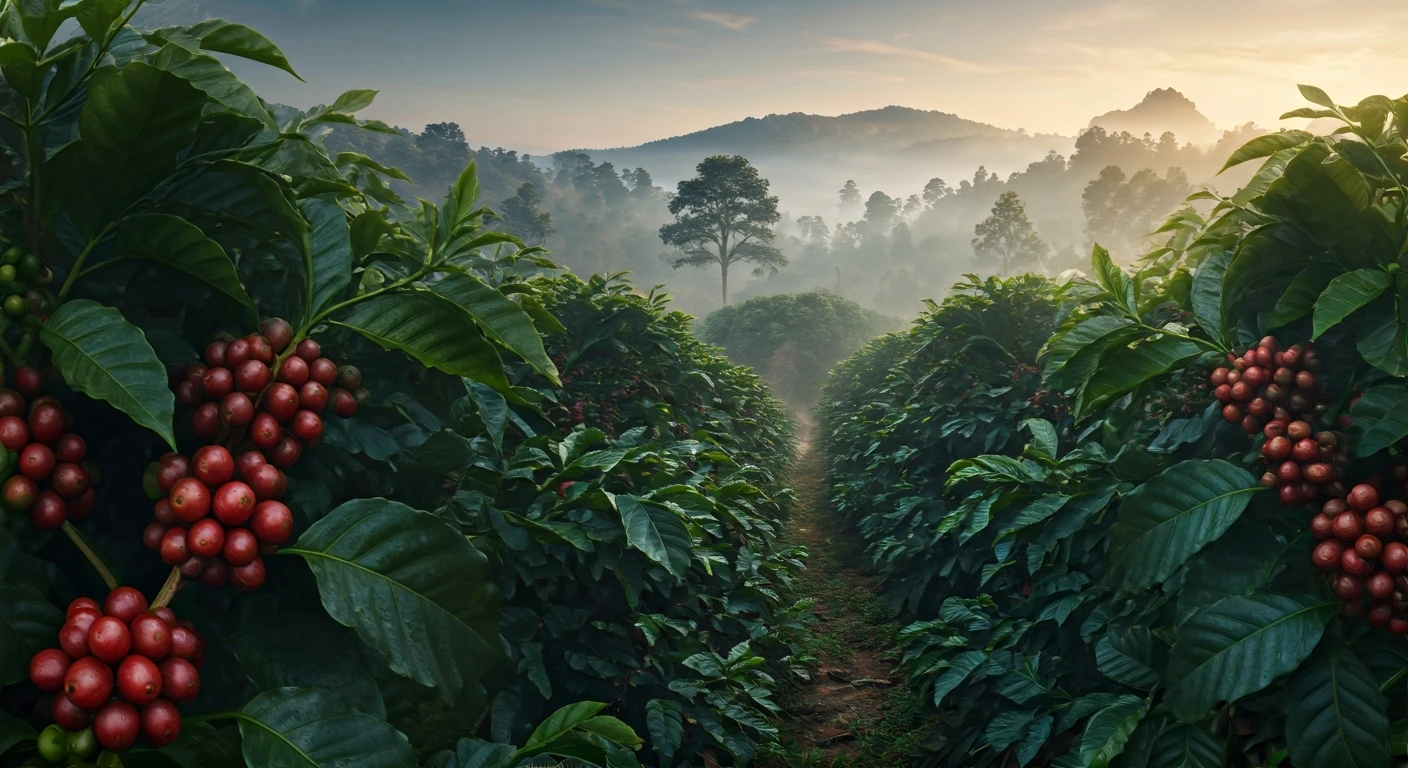
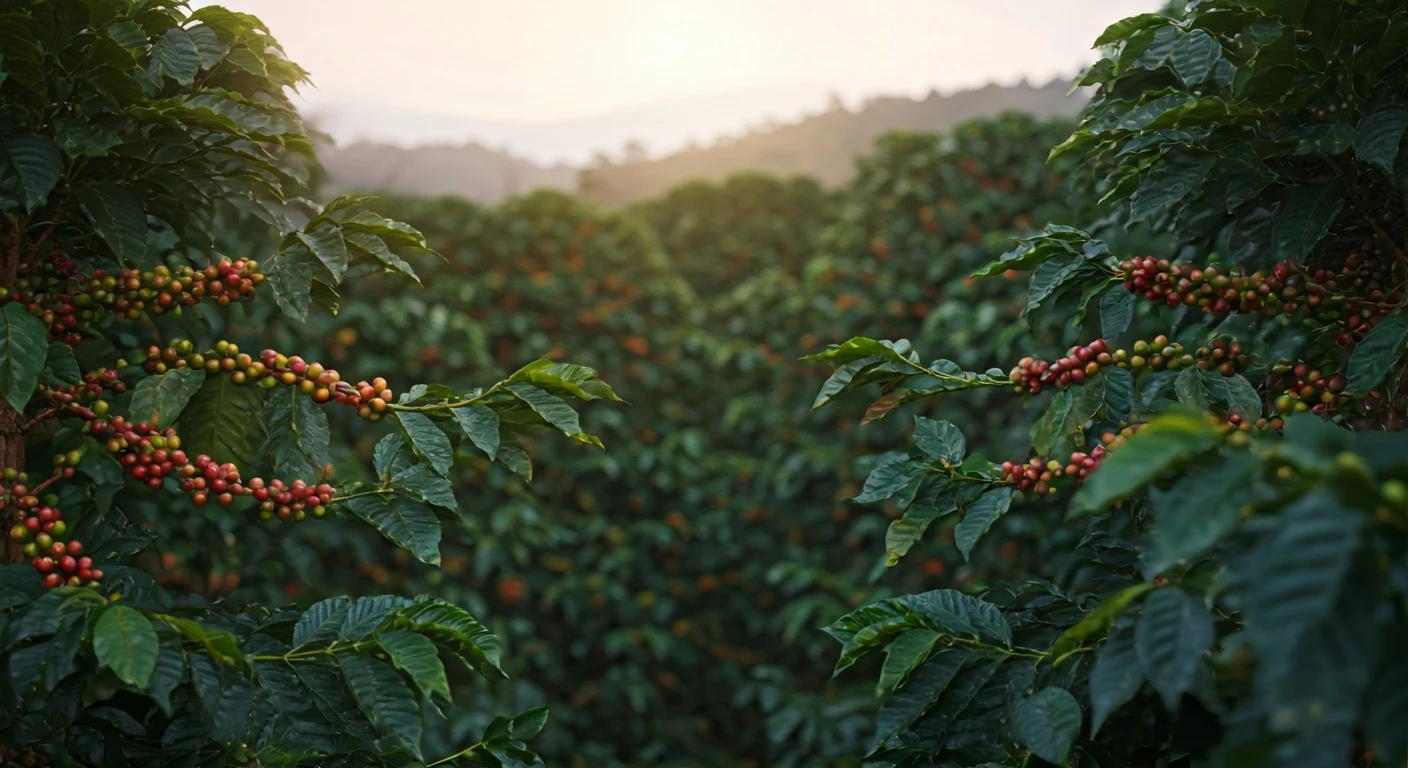
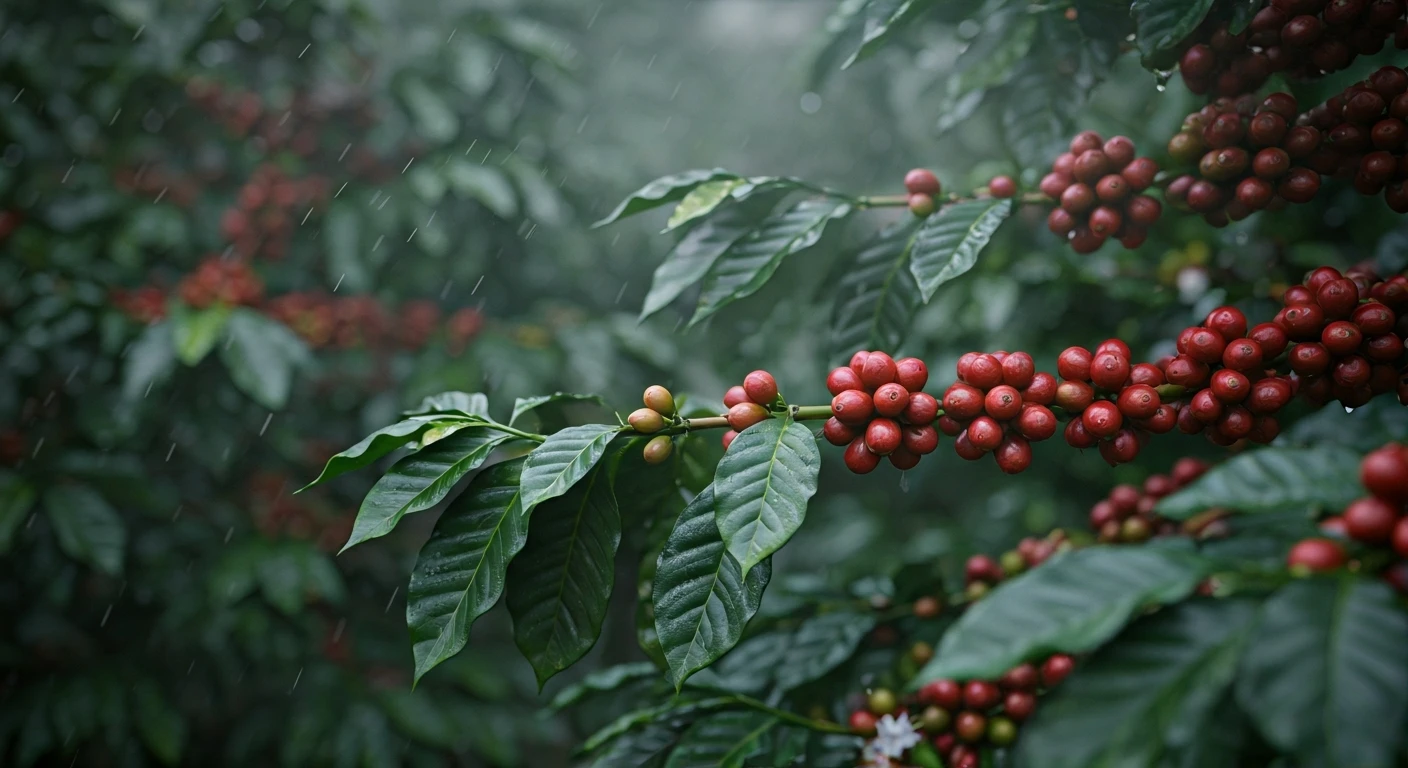
Forget what you know about your morning cup of joe. The heart of Karnataka's highlands, particularly in the districts of Coorg (Kodagu) and Chikmagalur, is India’s coffee cradle. The “buzz” in the Ghats is literal here, fueled by caffeine. This is the perfect time to book a stay at a heritage coffee plantation. Imagine waking up to the aroma of coffee blossoms, taking guided walks through sprawling estates where red coffee cherries hang heavy on the bushes, and learning the bean-to-cup process from generations of growers. These aren't sterile tours; they are intimate experiences. Many estates offer homestays or boutique bungalows, providing a serene escape where the day's main activity might be sipping freshly brewed coffee on a veranda overlooking misty valleys.
Adventure for Every Speed
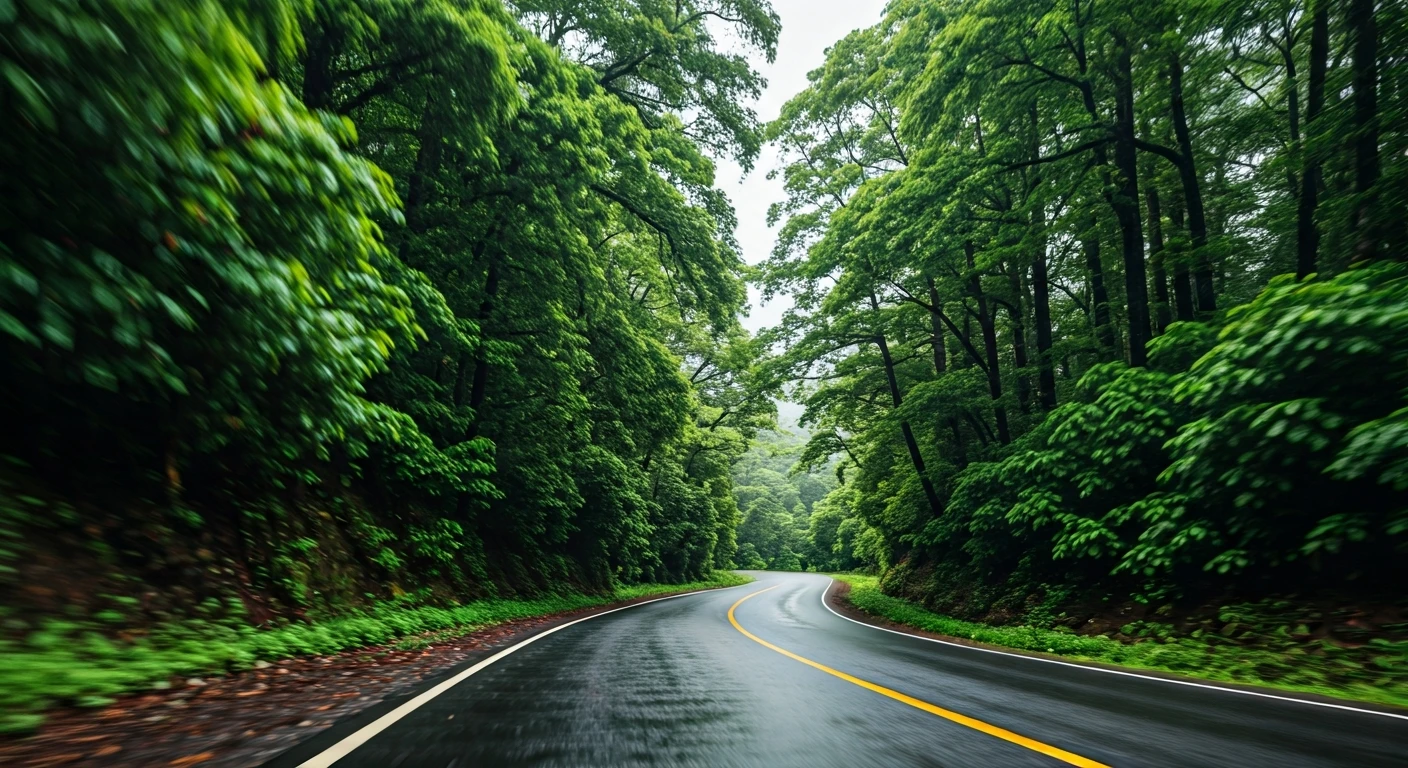
Whether you’re a seasoned trekker or just looking for a scenic stroll, the Ghats have a trail for you. The region’s resurgence in popularity is partly due to its incredible range of outdoor activities. For the ambitious, there’s the trek to Mullayanagiri, Karnataka's highest peak, which offers breathtaking 360-degree views. Less strenuous but equally rewarding are the countless trails that wind through shola forests—unique patches of stunted tropical montane forest found in valleys amid the rolling grasslands. Bird-watching is a major draw, with the chance to spot species like the Malabar trogon and the great hornbill. For those who prefer a slower pace, simply driving the scenic, winding roads from one small town to another is an adventure in itself.
The Rise of Mindful, Sustainable Stays
The renewed interest in the Western Ghats is also being driven by a shift in travel philosophy. Post-pandemic, travelers are increasingly seeking out destinations that feel restorative and connected to nature. The Ghats deliver this in spades. In response, a new wave of eco-conscious resorts and sustainable homestays has emerged. These properties emphasize a low-impact footprint, organic local cuisine, and activities that foster a deeper appreciation for the environment, like guided naturalist walks and yoga sessions with a mountain view. It’s a chance to disconnect from digital noise and reconnect with a pace of life dictated by sunrise and sunset, not by notifications.
A Taste of Local Culture and Cuisine
The experience isn't limited to landscapes and lattes. The Western Ghats in Karnataka are home to distinct local cultures, most notably the Kodava community in Coorg. This is your chance to sample a unique regional cuisine that you won't find in most Indian restaurants in the U.S. Don't miss the famous *pandi* curry (a rich, dark pork dish flavored with a local sour fruit called *kachampuli*) or the variety of rice-based breads like *akki roti*. Visiting the region gives you a glimpse into a different side of India—one that is quieter, deeply rooted in agriculture and nature, and offers a warm, hospitable welcome far from the chaos of the big cities.