




The Search for Imperfect Authenticity
There's a specific, sterile anonymity to a good hotel. The art is inoffensive, the lighting is standard, and the chair in the corner is identical to the one in the room next door and in a thousand other properties across the country. For decades, this
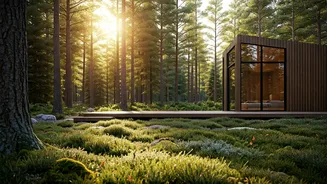
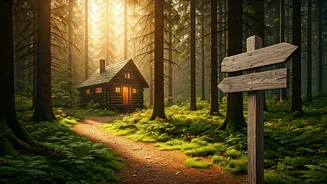
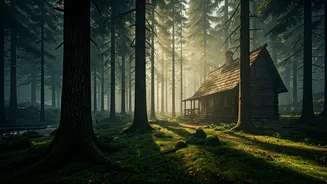
consistency was the hallmark of quality. Today, for a growing number of travelers, it feels like a bug, not a feature. The anti-hotel plan is a deliberate turn toward something with character, texture, and even a few charming flaws. It’s the choice of a secluded cabin where the floorboards creak, the mugs don't match, and the bookshelf is filled with the owner’s dog-eared paperbacks. This isn’t about slumming it; it's about seeking an environment that feels lived-in and real. This desire for authenticity is a reaction against the curated perfection of our digital lives. When every Instagram feed is a highlight reel, a space that feels genuine—with its own unique history and quirks—offers a powerful sense of grounding.
Nature as the Ultimate Amenity
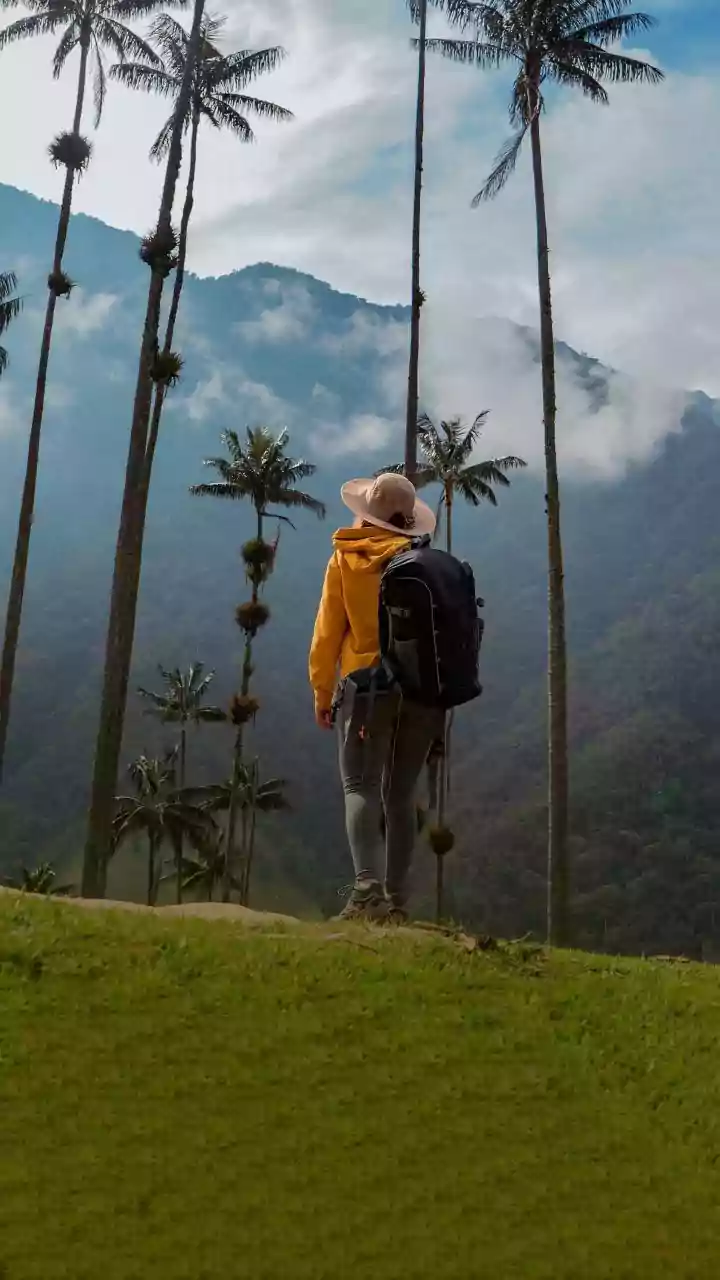
Hotels sell amenities. They boast of their infinity pools, their state-of-the-art fitness centers, and their 24-hour business lounges. The anti-hotel plan redefines the very concept of an amenity. In this model, the best feature isn't manufactured; it's simply there. The primary amenity is the forest trail that starts right outside your door, not a treadmill facing a TV screen. It's the vast, dark sky full of stars, visible because you’re miles from city light pollution. It's the sound of a river instead of hallway chatter. This shift prioritizes experience over convenience. Instead of swimming laps in a chlorinated pool, you might take a cold plunge in a natural lake. Instead of a continental breakfast, you cook eggs over a campfire. These are not just activities; they are immersive sensory experiences that a conventional hotel, no matter how luxurious, struggles to replicate. The value is not in what has been built for you, but in what has been left untouched.
Forced Disconnection as a Feature
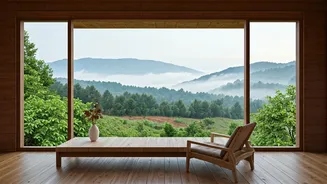
In a world that demands constant connectivity, the ultimate luxury might just be the permission to disconnect. A common complaint about rural cabins or remote lodges is the spotty Wi-Fi or lack of cell service. But for proponents of the anti-hotel plan, this isn't a drawback—it's the main selling point. It’s a forced digital detox. When you can’t mindlessly scroll through emails or social media feeds, your attention is naturally pulled toward the present moment. Conversations become deeper. A board game or a deck of cards suddenly seems immensely entertaining. You notice the details of your surroundings—the way the light changes through the trees, the smell of pine after it rains. This isn't about being anti-technology; it’s about creating intentional boundaries. It’s the recognition that true rest and reset often require us to unplug from the endless stream of information and plug into our immediate physical world.
The Return of 'Slow Travel'
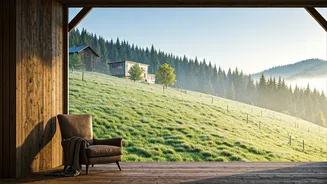
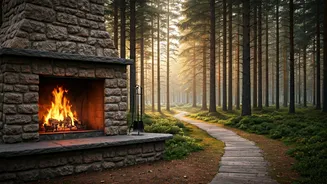
The traditional vacation can often feel like a frantic race to check boxes: see the monument, eat at the famous restaurant, buy the souvenir. The rhythm of a cabin or lodge stay is fundamentally different. It’s slower, more deliberate, and self-directed. There is no concierge suggesting a packed itinerary. The day’s main event might be a long walk, collecting firewood, or simply finishing a book by the fireplace. This approach aligns with the growing “slow travel” movement, which emphasizes connection to local culture, food, and the environment. By cooking your own meals with ingredients from a local farm stand or spending an entire afternoon watching a storm roll in, you are engaging with your destination in a more intimate and meaningful way. It's a shift from being a passive consumer of a place to being an active participant in it, even if just for a weekend.