




The Great Monsoon Dilemma
For many travelers, India’s summer monsoon (roughly June to September) is a deal-breaker. Popular destinations like the beaches of Goa or the backwaters of Kerala, famous for their lush greenery, become drenched, humid, and prone to flooding. Trekking
routes in the lower Himalayas are often closed due to landslides and slippery trails. While the rain has its own romantic charm for some, for the adventure-seeker looking to explore freely, it presents a significant logistical headache. Many businesses operate on reduced hours, and the constant downpour can confine you to your hotel room, staring out at a landscape you came to experience firsthand.
An Escape to the Rain Shadow
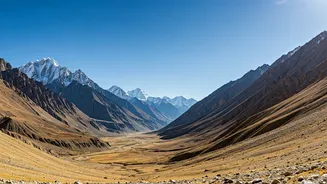
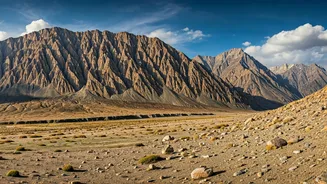
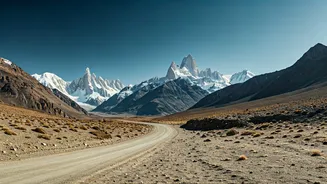
There is, however, a spectacular exception. Tucked away in the northeastern corner of the Indian state of Himachal Pradesh lies the Spiti Valley, a high-altitude desert that remains almost completely dry during the monsoon. Why? It sits in a rain shadow, a geographic phenomenon where the towering Himalayan peaks block the rain-bearing clouds from the south. While the rest of the subcontinent is getting soaked, Spiti basks under clear blue skies. This makes it not just a viable summer destination in India, but arguably the best one. You trade the tropical greens for a dramatic palette of browns, grays, and ochres, set against some of the most intense blue skies you will ever see.
Landscapes from Another World
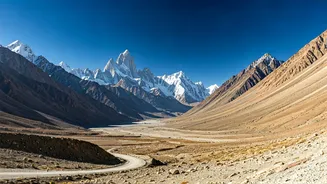
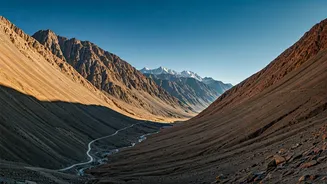
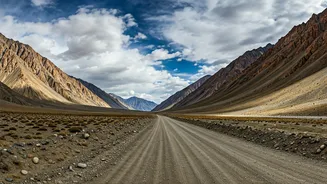
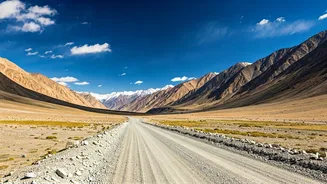
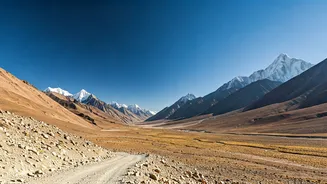
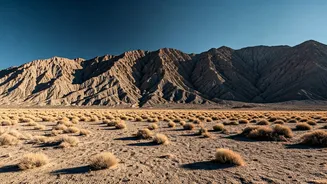
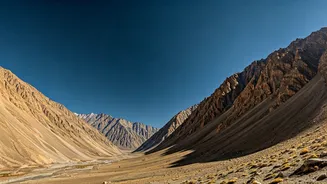
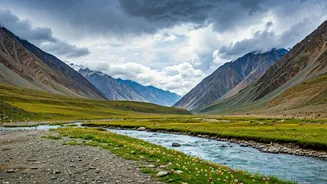
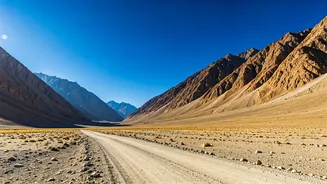
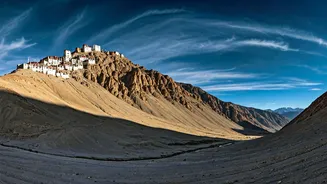
Forget lush and tropical; think stark and majestic. Spiti's landscape is often compared to that of Tibet or even the moon. It’s a world of barren, wind-eroded mountains, deep gorges carved by the turquoise Spiti River, and vast, empty plains. The beauty here is in the scale, the silence, and the raw, unfiltered power of nature. Picturesque villages, with their whitewashed, flat-roofed houses, cling to the mountainsides, appearing like tiny specks in a colossal geological painting. The air is thin, crisp, and clean, and the lack of humidity means visibility is extraordinary, making for spectacular photography and stargazing opportunities that are impossible during the cloudy monsoon season elsewhere.
Culture Frozen in Time
Spiti’s isolation has preserved a unique and ancient form of Tibetan Buddhism. The valley is dotted with some of the world's oldest and most fascinating monasteries, and the summer months are the perfect time to visit them. The iconic Key Monastery, perched precariously on a hilltop, looks like a fortress out of a fantasy novel. Tabo Monastery, a UNESCO World Heritage site, is known as the 'Ajanta of the Himalayas' for its stunning, ancient murals. Unlike in monsoon-affected regions where travel between sites can be treacherous, the roads within Spiti are generally clear in summer, allowing for uninterrupted exploration of its rich cultural heritage. You can witness daily rituals, talk to monks, and experience a way of life that has remained unchanged for centuries.
Adventure Without the Mud
If your travel style is more active, Spiti in the summer is a playground. The dry conditions are ideal for trekking to high-altitude lakes like Chandratal (the “Moon Lake”), mountain biking along rugged trails, or simply embarking on one of the world's most epic road trips. The famous circuit from Manali to Spiti and out through the Kinnaur Valley is a bucket-list journey for motorcyclists and 4x4 enthusiasts. While other Himalayan regions are battling landslides, Spiti’s roads and trails offer a relatively stable, if challenging, environment for adventure. You can push your limits and explore remote corners of the valley without the constant worry of being rained out or stuck in the mud.