




The Himalayan Paradise You've Never Heard Of
The 'Little Kashmir of Kumaon' is a real place, and its proper name is Munsiyari. Tucked away in the Kumaon region of Uttarakhand, this small Himalayan town has long been a secret known only to avid trekkers and mountaineers. For the average American
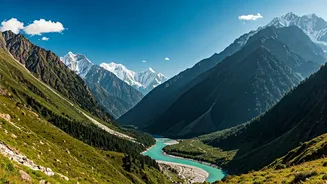
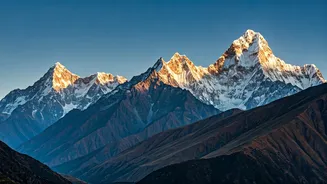
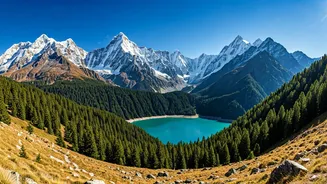
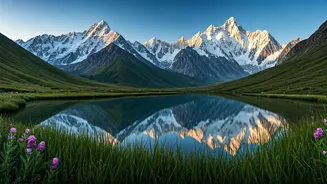
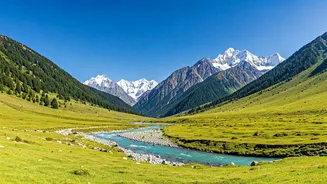
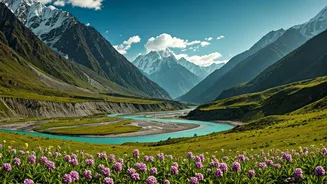
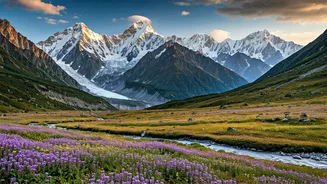
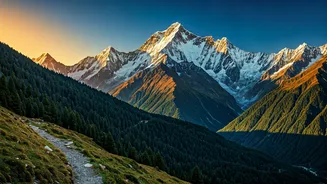
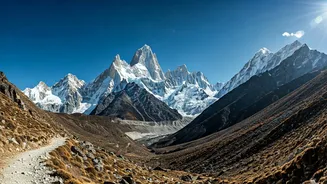
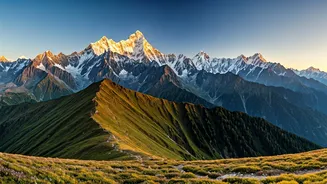
traveler, it's completely off the radar—and that's precisely its charm. The nickname comes from its breathtaking beauty, which rivals the legendary alpine meadows and snow-capped peaks of Kashmir. Munsiyari sits at an elevation of about 7,200 feet and offers a jaw-dropping, front-row seat to the Panchachuli peaks—a group of five majestic Himalayan summits that dominate the skyline. Unlike more crowded hill stations, Munsiyari offers a sense of raw, unfiltered nature. It’s a place where the journey is part of the adventure and the reward is a deep connection with one of the world's most formidable mountain ranges.
What to See and Do
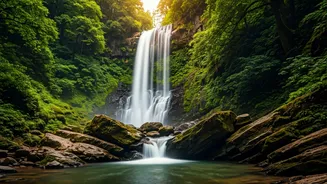
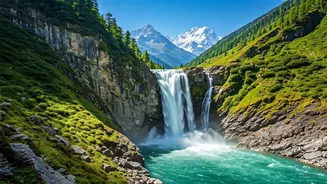
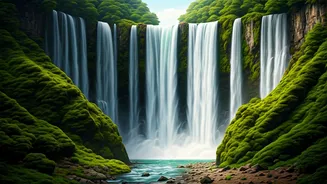
Munsiyari isn't about a checklist of tourist sites; it’s about immersion. The main event is the view of the Panchachuli massif, which is said to be where the mythical Pandava brothers from the epic Mahabharata cooked their last meal. For the most accessible and iconic panorama, the Khaliya Top trek is a must-do. It’s a relatively moderate hike that takes you to a vast alpine meadow at over 11,500 feet, offering 360-degree views of the Panchachuli and other neighboring peaks like Nanda Devi. Beyond trekking, you can visit the powerful Birthi Falls, a cascading waterfall just a short drive from the town. The town itself is a starting point for more serious expeditions to glaciers like the Milam and Ralam, cementing its reputation as a hub for adventure. For those seeking quiet contemplation, simply finding a spot with a clear view, a cup of chai in hand, is an activity in itself.
A Glimpse into Kumaoni Culture
This region is more than just pretty mountains. Munsiyari is home to the Shauka people (often called Johari or Bhotiya), a community with a rich history shaped by trans-Himalayan trade with Tibet. Before the border was sealed in 1962, this was a bustling stop on an ancient salt route. Today, you can still see vestiges of that past in the local culture, crafts, and architecture. Visiting the Tribal Heritage Museum offers a fascinating look into the lives, art, and traditions of the local communities. Engaging with the people of Munsiyari provides a cultural depth that enriches the travel experience. Staying in a local homestay is one of the best ways to experience this firsthand, offering not just a bed but a genuine connection to the place and its resilient, warm-hearted inhabitants.
Planning Your Himalayan Escape
Getting to Munsiyari requires commitment, which is why it remains so pristine. It’s not a weekend trip. For travelers from the U.S., the journey typically involves flying into New Delhi, then taking a connecting flight to Pantnagar Airport or an overnight train to Kathgodam. From either point, it's a long, winding, and incredibly scenic 8- to 10-hour drive by private taxi or shared jeep. The best times to visit are during the spring and summer months (March to June) when the skies are clear and the weather is pleasant, or in the autumn (September to October) for crisp air and post-monsoon greenery. Accommodations are generally simple and cozy, ranging from government-run guesthouses to private hotels and a growing number of homestays. Don't expect five-star luxury; the luxury here is the million-dollar view from your window.