






What is a 'Creator Lab'?
Forget the stereotype of a student filming dance videos in their dorm room. A college-based Creator Lab is envisioned as a sophisticated hub for digital entrepreneurship. Think of it less as a social media studio and more as a modern-day vocational school
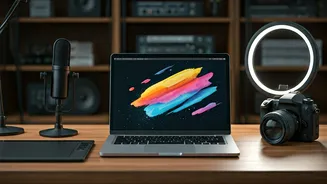
for the digital age. These labs would be equipped with professional-grade cameras, lighting, audio recording equipment, and high-powered editing stations. But the hardware is only half the story. The curriculum would focus on a wide range of skills essential to the creator economy: video production and editing, graphic design, podcast engineering, audience analytics, digital marketing, brand partnership management, and the fundamentals of running a small business. The goal is to transform a passion for content creation into a sustainable career by providing students with the technical, strategic, and entrepreneurial skills to succeed.
Why the Government is Paying Attention
The "creator economy" is no longer a niche hobby; it's a massive and rapidly growing sector. Recent estimates from firms like Goldman Sachs project it could reach nearly half a trillion dollars globally within the next few years. Policymakers are beginning to view this not just as a cultural phenomenon but as a significant driver of economic activity and job creation. The rationale behind the proposed funding is twofold. First, it’s a workforce development initiative. Just as the government has historically supported training in manufacturing and tech, this plan recognizes digital content creation as a legitimate and valuable profession. Second, it’s about global competitiveness. By formalizing this education, the U.S. can cultivate a highly skilled workforce prepared to lead the next wave of digital media, marketing, and entertainment, ensuring the economic benefits are generated here at home.
Inside the Budget 2026 Proposal
The core of the plan involves allocating federal funds, as part of the proposed 2026 budget, to establish 500 Creator Labs across the country. The initiative would prioritize a diverse range of institutions, including community colleges, state universities, and Historically Black Colleges and Universities (HBCUs), aiming to democratize access to these high-demand skills. The funding would likely be structured as competitive grants administered by the Department of Education. Colleges would submit proposals outlining how they would build the lab, develop the curriculum, and integrate the program with other departments like business, communications, and art. The plan emphasizes practical outcomes, requiring recipient institutions to track metrics like student job placements, freelance careers launched, and small businesses created post-graduation. It's a strategic investment designed to produce a measurable return in the form of a more skilled and adaptable workforce.
The Potential Upside for Students and Schools
For students, the benefits are clear. They would gain tangible, in-demand skills that are directly applicable to the modern job market, whether they aim to be a full-time creator, a digital marketing specialist for a major brand, or an entrepreneur launching their own media company. This hands-on training provides a direct pathway to monetization and career stability in a field many are already passionate about. For colleges and universities, these labs offer a powerful tool for modernization and recruitment. They demonstrate a commitment to relevant, 21st-century education, helping institutions attract prospective students who see their digital interests validated as a serious academic pursuit. It could also foster a new wave of interdisciplinary collaboration, linking technology with arts, communications, and business in exciting new ways.
Hurdles and Legitimate Questions
Despite the potential, the proposal is not without its critics and challenges. Some skeptics question whether taxpayer dollars should fund an industry perceived as being driven by trends and fickle social media platforms. They argue that the skills might quickly become obsolete as platforms like TikTok or YouTube change their algorithms or fall out of favor. A key hurdle will be designing a curriculum that is both rigorous and adaptable. How do you standardize education for a field that is constantly in flux? Furthermore, measuring the "return on investment" can be tricky. Is success defined by the number of graduates with over a million followers, or by the number who can earn a stable living wage through their digital skills? Proponents argue that the core skills—storytelling, video production, audience analysis, and entrepreneurship—are transferable and will remain valuable regardless of which platform is dominant.