





Meet the “12-3-30” Workout
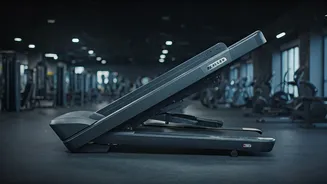
The trend that has taken over fitness feeds is called the “12-3-30.” Popularized by social media influencer Lauren Giraldo, the concept is incredibly straightforward. It requires just one piece of equipment: a treadmill. The formula is right there in the name:
- Set the treadmill incline to **12**%. - Set the speed to **3.0** miles per hour. - Walk for **30** minutes. That’s it. No burpees, no sprints, no complicated choreography. Giraldo shared that this was the routine that helped her feel more confident and less intimidated at the gym, and that relatable sentiment is a huge part of why it resonated with millions.
Why Did It Go Viral?
The 12-3-30 workout’s popularity isn’t an accident; it’s a perfect storm of simplicity, accessibility, and perceived effectiveness. In a fitness world often dominated by high-intensity interval training (HIIT) and heavy lifting, 12-3-30 offers a welcoming alternative. It’s a form of LISS—Low-Intensity Steady-State cardio—which is less taxing on the body and nervous system than explosive workouts. This makes it feel more achievable for beginners or those returning to exercise after a break. Furthermore, the workout gives users a clear, measurable goal. Instead of vaguely “going to the gym,” you have a specific mission. This structure removes decision fatigue and provides a satisfying sense of accomplishment when you complete the 30 minutes. Its visual nature—a shot of the treadmill console showing the numbers—also made it perfectly shareable on platforms like TikTok and Instagram.
The Benefits and What Experts Say
Beyond the hype, fitness professionals see real merit in the 12-3-30 routine. Walking on a steep incline is a fantastic cardiovascular exercise that elevates your heart rate without the high impact of running, making it gentler on the joints. The 12% grade forces a significant engagement of the posterior chain—your glutes, hamstrings, and calves—more so than walking on a flat surface. This helps build lower-body strength and muscular endurance. Trainers often praise it as an excellent entry point for building a consistent fitness habit. While it’s not a magic bullet for fat loss (which is primarily driven by an overall calorie deficit), it is an effective tool for burning calories and improving heart health. It serves as a great supplement to a well-rounded fitness plan that also includes strength training and mobility work.
How to Do It Right (and Safely)
Getting started is simple, but form and progression are key to preventing injury and getting the most out of the workout. 1. **Warm-Up:** Don't jump straight to the full incline. Start with a 3-5 minute walk on a flat or low incline (1-2%) at a comfortable pace to get your muscles warm. 2. **Gradually Increase:** Once warm, adjust the settings to 12% incline and 3.0 mph. If this feels too intense, don't be discouraged. Start with a lower incline (like 5-8%) or a shorter duration (15-20 minutes) and build up over several sessions. 3. **Mind Your Posture:** The biggest mistake people make is holding onto the handrails for dear life. This can lead to poor posture and reduces the workout’s effectiveness. Try to keep your arms swinging naturally as you walk. If you need to hold on for balance, do so lightly and focus on keeping your core engaged and your shoulders relaxed, away from your ears. 4. **Cool Down:** After your 30 minutes, lower the incline and speed and walk for another 3-5 minutes to allow your heart rate to come down gradually. Follow up with some light stretching, focusing on your calves and hamstrings.
Who Should Be Cautious?
While 12-3-30 is a low-impact workout, the steep incline isn't for everyone. The 12% grade can put significant strain on the lower back, Achilles tendons, and calf muscles. Individuals with a history of lower back pain, knee issues, or plantar fasciitis should approach this routine with caution. It’s wise to consult a doctor or physical therapist before starting, especially if you have pre-existing conditions. Listening to your body is paramount. If you feel any sharp or persistent pain, it’s a sign to stop and reassess.