








Deconstructing the Trend
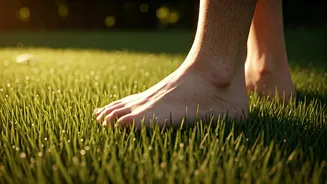
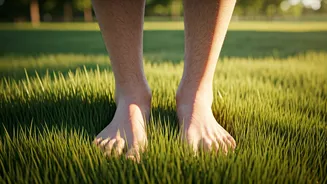
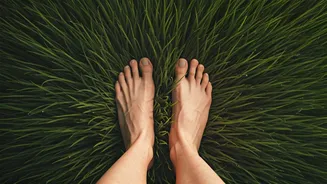
So, what exactly is a “rhythmic barefoot grass walking break”? It’s precisely what it sounds like, but each element holds a specific intention. The practice involves taking a 10-to-15-minute break from your day, slipping off your shoes and socks, and finding
a patch of natural grass to walk on. The “rhythmic” part encourages a steady, meditative pace, focusing on the sensation of your feet on the earth. It’s not about athletic performance or distance; it's a mindful pause. This practice is gaining traction in wellness circles and informal fitness groups as a zero-cost, high-reward way to combat the effects of a sedentary, indoor lifestyle. It merges principles from mindfulness, nature therapy, and biomechanics into a single, simple act.
The Philosophy of 'Grounding'
A core concept driving this trend is “grounding,” or “earthing.” Proponents believe that direct physical contact with the vast surface of the Earth has unique benefits. The theory suggests that the Earth’s surface has a natural, mild negative charge and that connecting with it helps stabilize our own body’s bioelectrical environment, potentially reducing inflammation and stress. While scientific research on grounding is still emerging and considered preliminary by many in the mainstream medical community, practitioners don’t wait for clinical trials to report feeling calmer and more centered. For many, the simple, tangible sensation of cool, soft grass underfoot is a powerful sensory experience that instantly pulls them out of their heads and into the present moment.
Beyond Theory: The Physical Benefits
Even if you’re skeptical about electrical charges, the physical benefits of walking barefoot are well-documented. Our feet contain a complex network of nerves, muscles, and bones that are often constrained and desensitized by modern footwear. Walking barefoot on a natural, uneven surface like grass stimulates nerve endings, improves proprioception (your body's awareness of its position in space), and can help strengthen the small, intrinsic muscles in your feet and ankles. Over time, this can lead to better balance, a more natural gait, and potentially fewer injuries. Think of it as waking up your feet from the long slumber induced by cushioned sneakers and stiff dress shoes. It’s a gentle form of functional fitness that our bodies were originally designed for.
A Dose of Nature and Mindfulness
This practice is as much for the mind as it is for the body. The “rhythmic” aspect turns a simple walk into a form of moving meditation. By focusing on the pace of your steps and the feeling of the ground, you create a mental anchor that can quiet a racing mind. This is amplified by the setting. A wealth of research supports the mental health benefits of spending time in green spaces, a practice sometimes called “ecotherapy.” Even a short break in a park or backyard can lower levels of the stress hormone cortisol, reduce mental fatigue, and improve your mood. Combining this with the meditative rhythm of walking creates a powerful tool for managing daily stress and boosting cognitive function before heading back to your desk.
How to Take Your First Grass Walk
Getting started is incredibly simple, but a few tips can make the experience better. First, choose your spot wisely. A familiar park, your own backyard, or a clean, public green space is ideal. Before you begin, do a quick visual scan of the area to check for sharp objects like rocks, sticks, or glass. Also, be mindful of recently treated lawns that may contain pesticides or fertilizers. Start with just five or ten minutes to allow your feet to acclimate, especially if you’re not used to being barefoot outdoors. Don’t listen to a podcast or talk on the phone. The goal is to connect with your environment. Focus on your breath and the sensation of walking. Notice the temperature of the grass and the texture of the soil. That’s it. There’s no right or wrong way to do it, as long as you’re being present.