

The Ghost of Diets Past
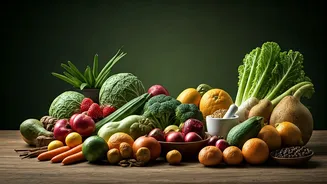
Not long ago, the conversation around health in urban India and among Indian communities in the U.S. sounded remarkably familiar. It was dominated by the lexicon of Western diet culture: keto, paleo, gluten-free, intermittent fasting. Superfoods like
quinoa and kale were lionized, while traditional staples like rice, potatoes, and ghee (clarified butter) were demonized. This created a peculiar kind of cognitive dissonance. The very foods that had nourished generations were suddenly cast as villains, responsible for modern lifestyle diseases. Gyms and fitness influencers pushed a one-size-fits-all model of health that often felt at odds with the rhythms and realities of a traditional Indian kitchen.
A Return to Grandma's Kitchen
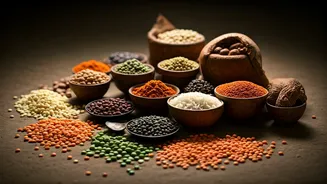
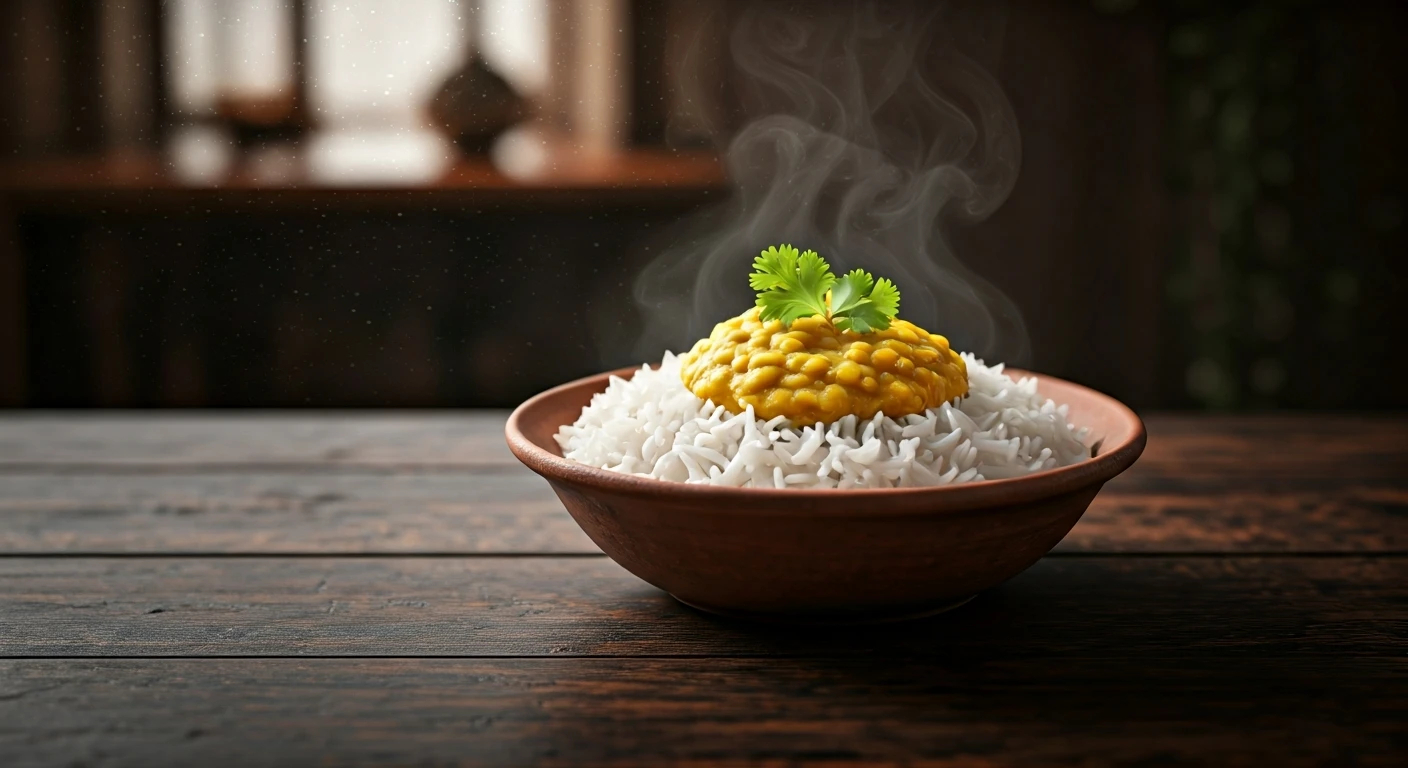
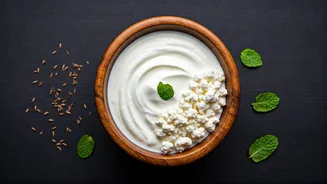
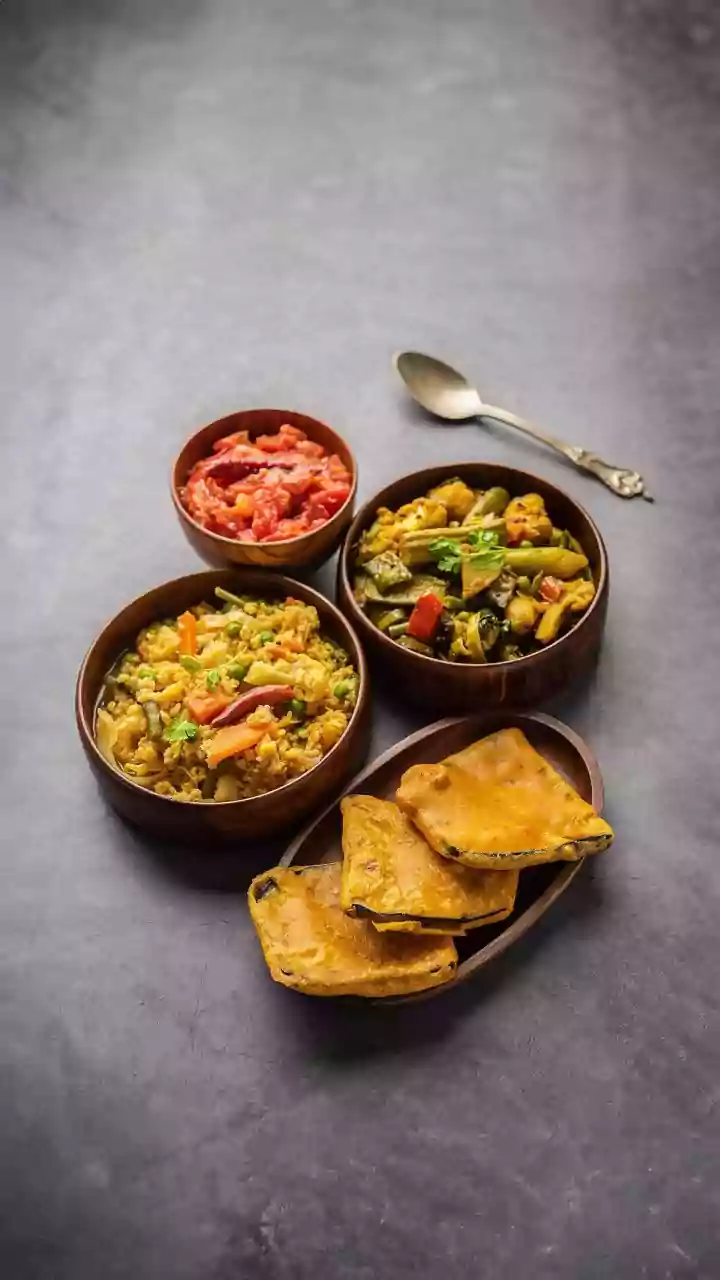
The pushback against this diet panic is not a new, complicated wellness trend. Instead, it’s a confident return to ancestral wisdom. Spearheaded by celebrity nutritionists like Rujuta Diwekar and a growing chorus of chefs and home cooks, the movement champions a simple idea: eat the food you grew up with. This philosophy argues that local, seasonal, and traditional eating patterns are inherently more sustainable and suited to one's genetics and environment. Suddenly, white rice isn’t an empty carb; it’s a digestible, comforting grain that pairs perfectly with protein-rich lentils (dal). Ghee isn’t a forbidden fat; it’s a healthy fat that aids digestion and vitamin absorption. The focus has shifted from calorie-counting and food group elimination to food synergy and common sense.
What 'Balance' Actually Looks Like
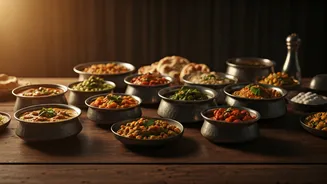
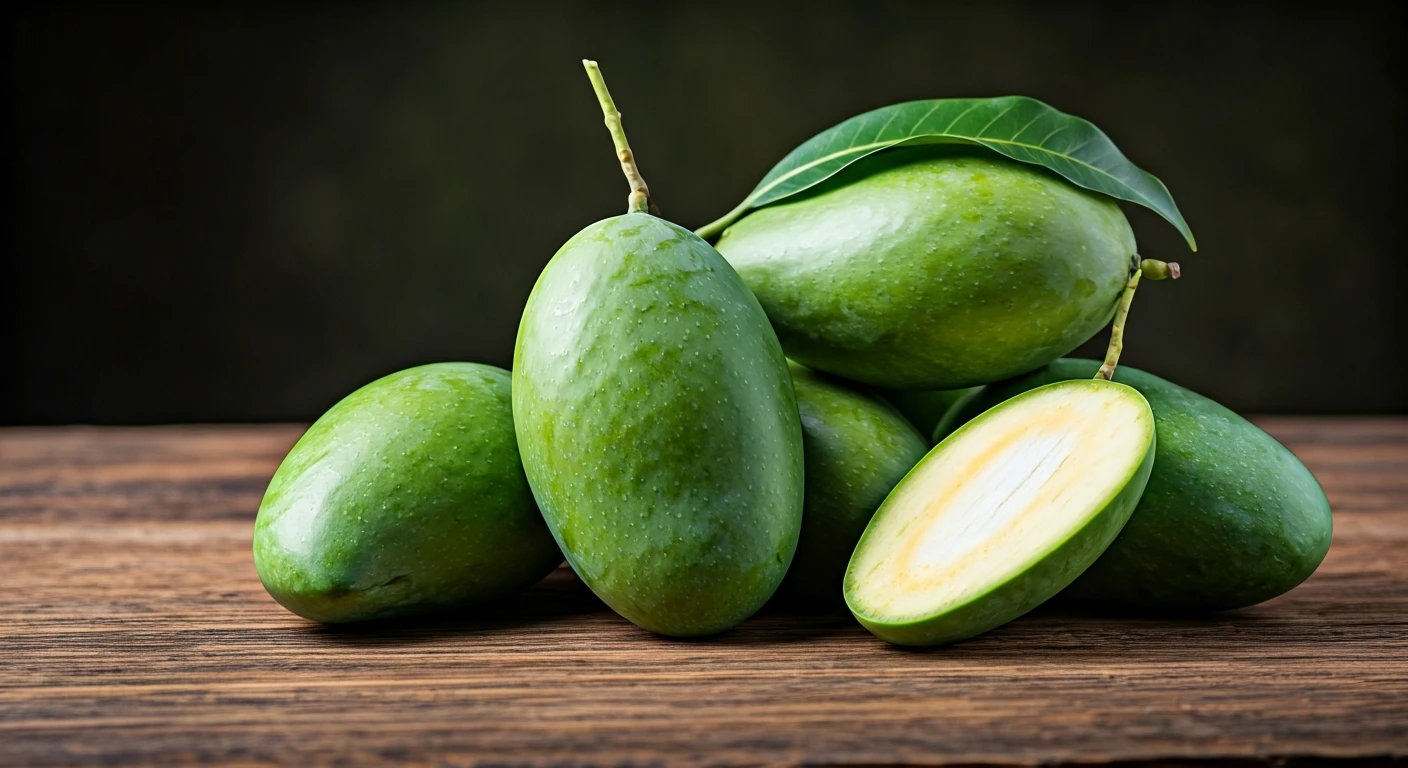
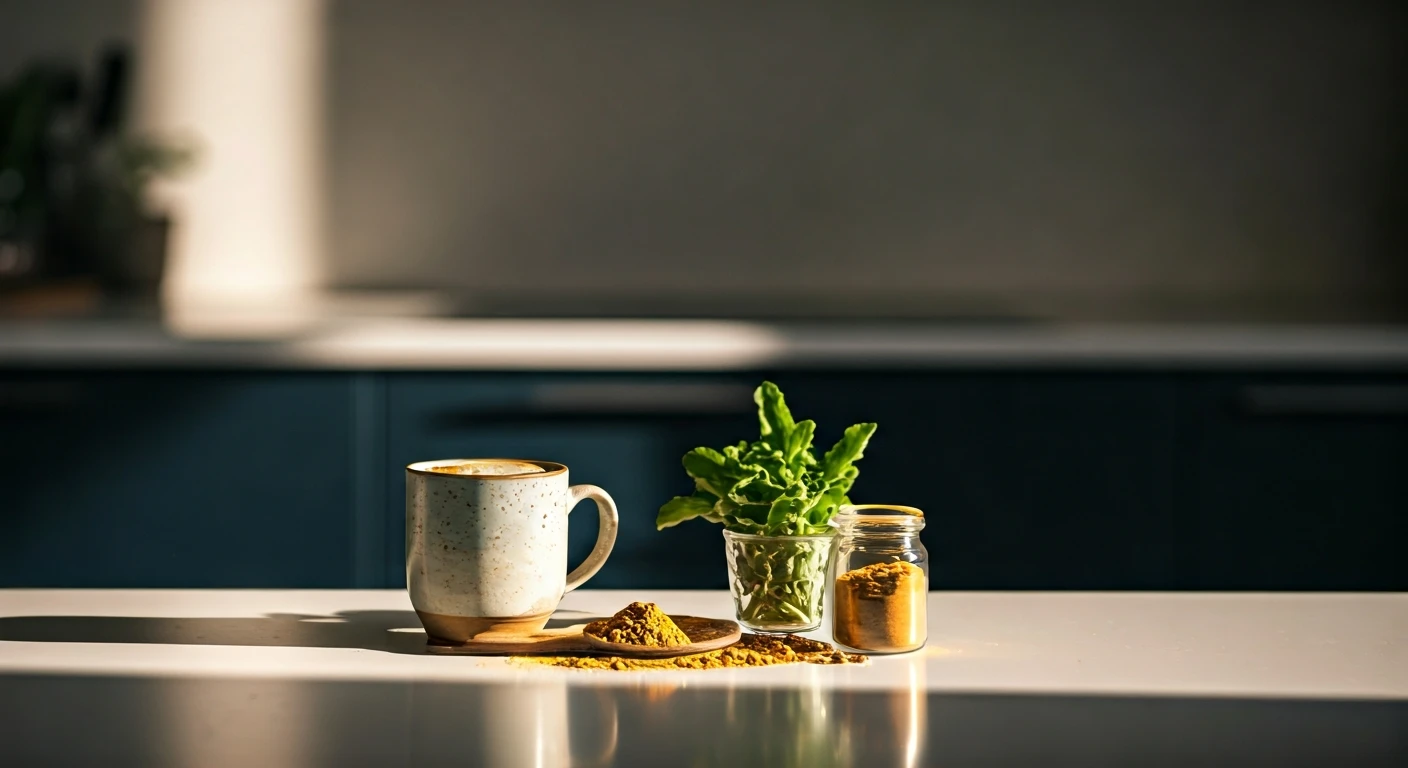
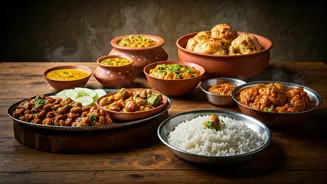
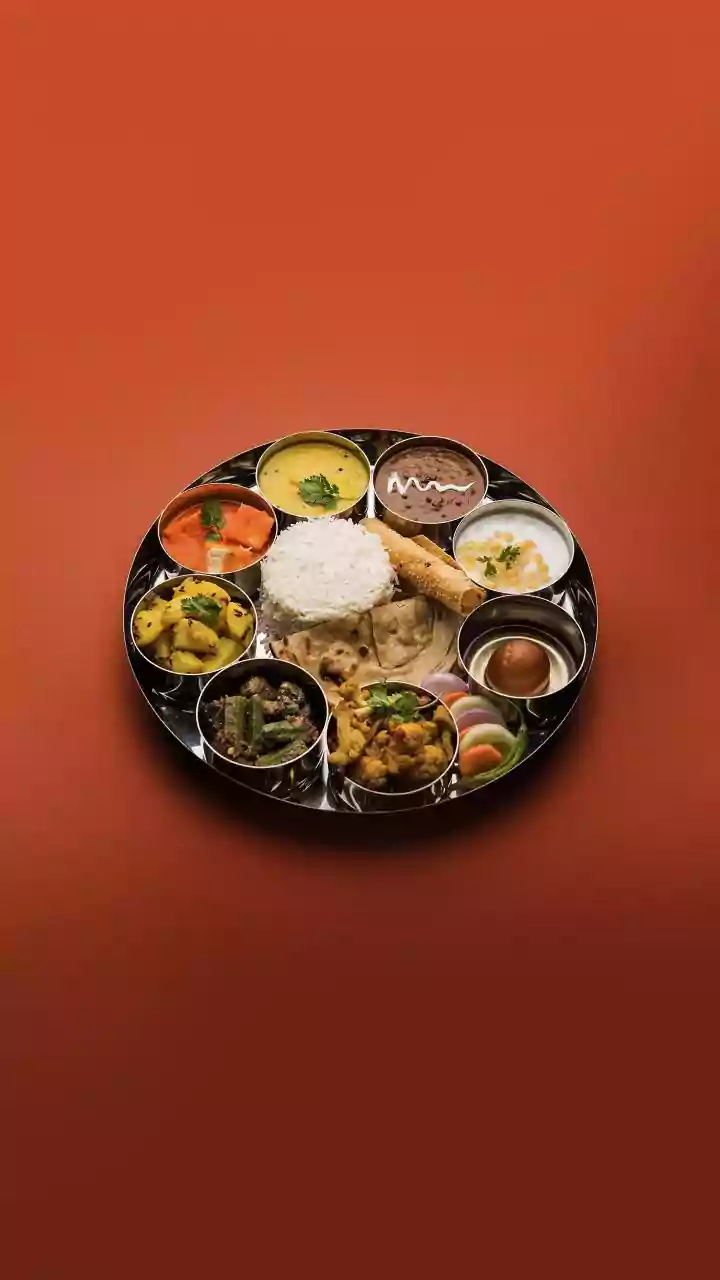
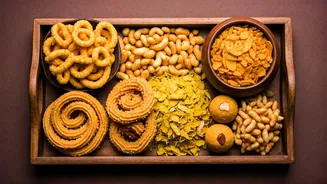
So, what does this balanced approach entail? It’s less about a list of 'good' and 'bad' foods and more about a holistic lifestyle. It means eating a structured meal—like a traditional thali, which features small portions of various dishes, ensuring a mix of carbs, proteins, fats, and fiber in one sitting. It's about honoring meal times and eating without distraction. It's about using spices not just for flavor, but for their digestive and anti-inflammatory properties—turmeric, cumin, and ginger are medicine as much as they are seasoning. This approach also reclaims cultural foods that were once shamed. Think mangoes in the summer, fried snacks during monsoon, and rich sweets during festivals. Instead of outright banning them, the philosophy is one of moderation and mindful enjoyment, stripping them of the guilt that modern diet culture had imposed.
An Antidote to American Food Anxiety
For many Indian-Americans, this shift is particularly liberating. It provides a framework for navigating two cultures—embracing the rich culinary heritage of their parents while living in a country obsessed with the next quick-fix diet. But the appeal is universal. At a time when American wellness culture is facing its own reckoning—with many people exhausted by restrictive eating and the endless cycle of food fads—the Indian approach offers a compelling alternative. It suggests that a healthy relationship with food doesn’t have to be purchased, tracked on an app, or built on deprivation. It can be found in a simple, home-cooked meal, shared with family, and eaten with joy rather than anxiety. It’s a reminder that sometimes, the most profound wisdom is the kind that’s been sitting on our own dinner tables all along.